How to Get Your Dog’s Attention on a Walk
Understanding your dog’s behaviour
As with most dog behaviours, before trying to change the behaviour, we need to understand why your dog isn’t paying attention to you.
- Are they too distracted?
- Are they anxious or excited or over-aroused?
- Do they understand what you want?
Think about places where your dog is able to listen to you.
And think about places where they don’t listen to you.
What are the differences?
For example, do they find it harder to pay attention around:
- Other dogs
- Certain locations (e.g. the beach)
- Other animals (e.g. squirrels, birds)
- People, children
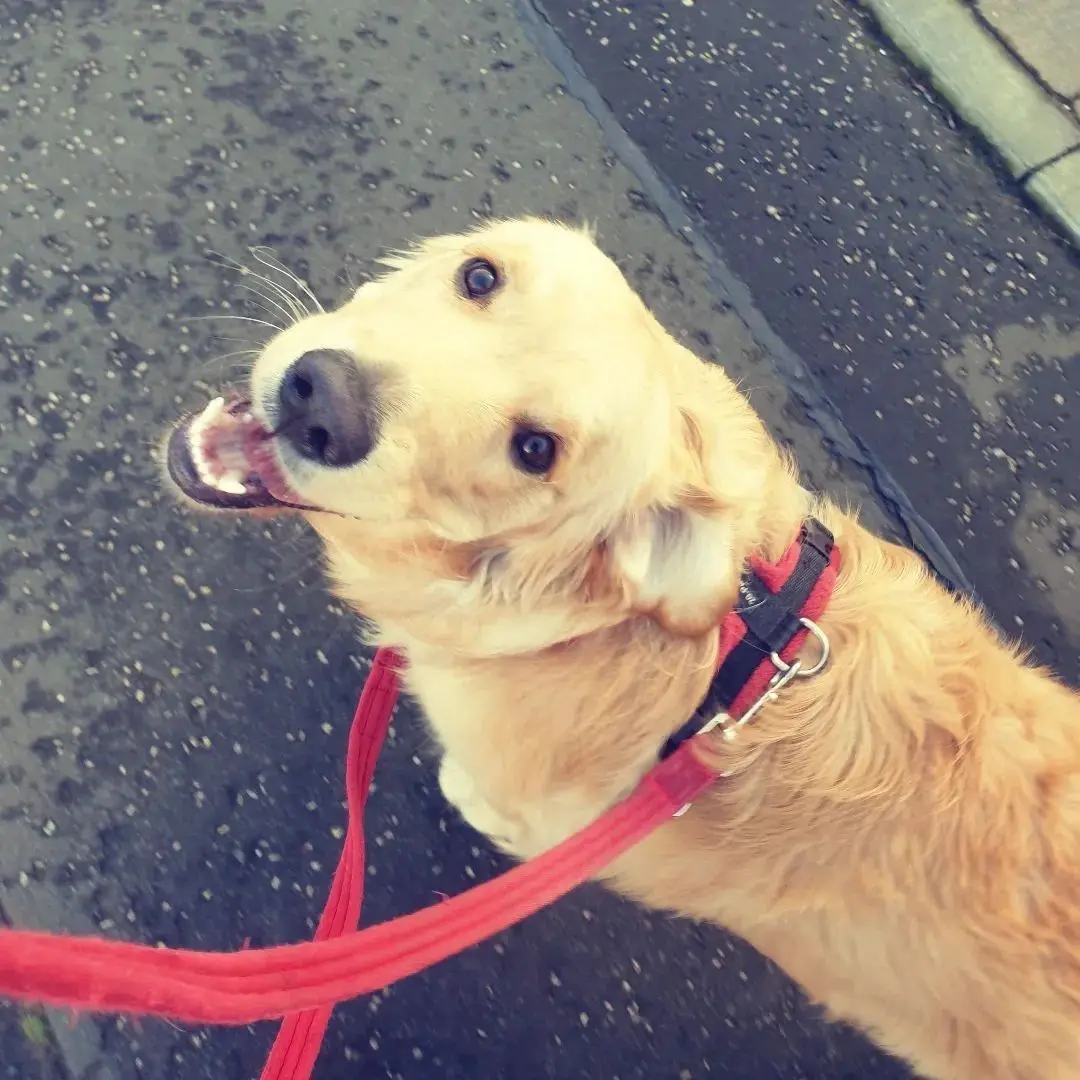
Changing Your Dog’s Behaviour- make it easy
Now you have a better idea of what triggers your dog, try to think of how you can make walks easier for them to pay attention to you.
For example, if your dog struggles to pay attention to you around birds, take them on walks where there are less likely to be birds around. Or if your dog struggles to pay attention when there are children around, time your walks so you are less likely to see children.
Always start by making things easier for both you and your dog.
Changing Your Dog’s Behaviour- training
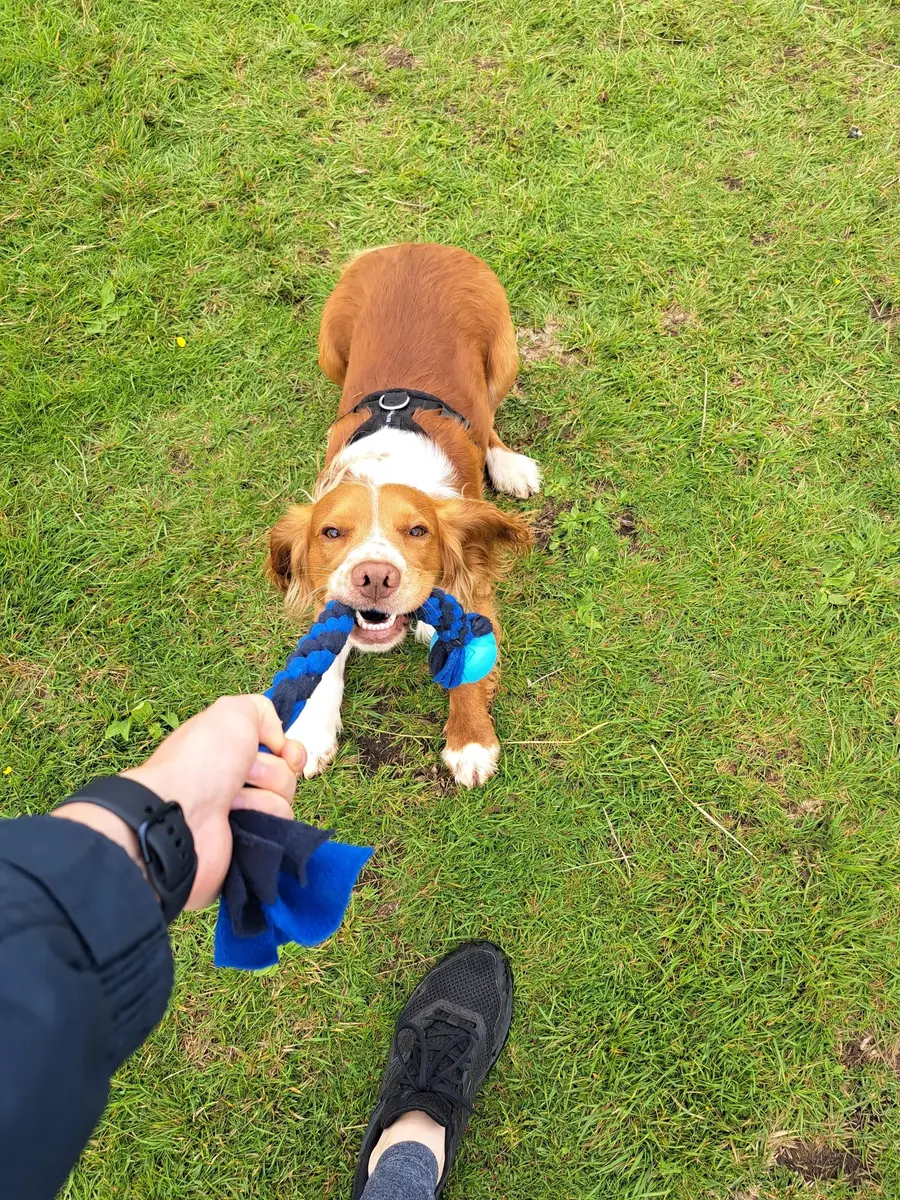
Practise some simple cues at home to begin with. Think of cues that are easy and fun for your dog. For example, a hand touch or middle (when your dog goes between your legs). Teach your dog how to play tug with you so they learn you can be fun too!
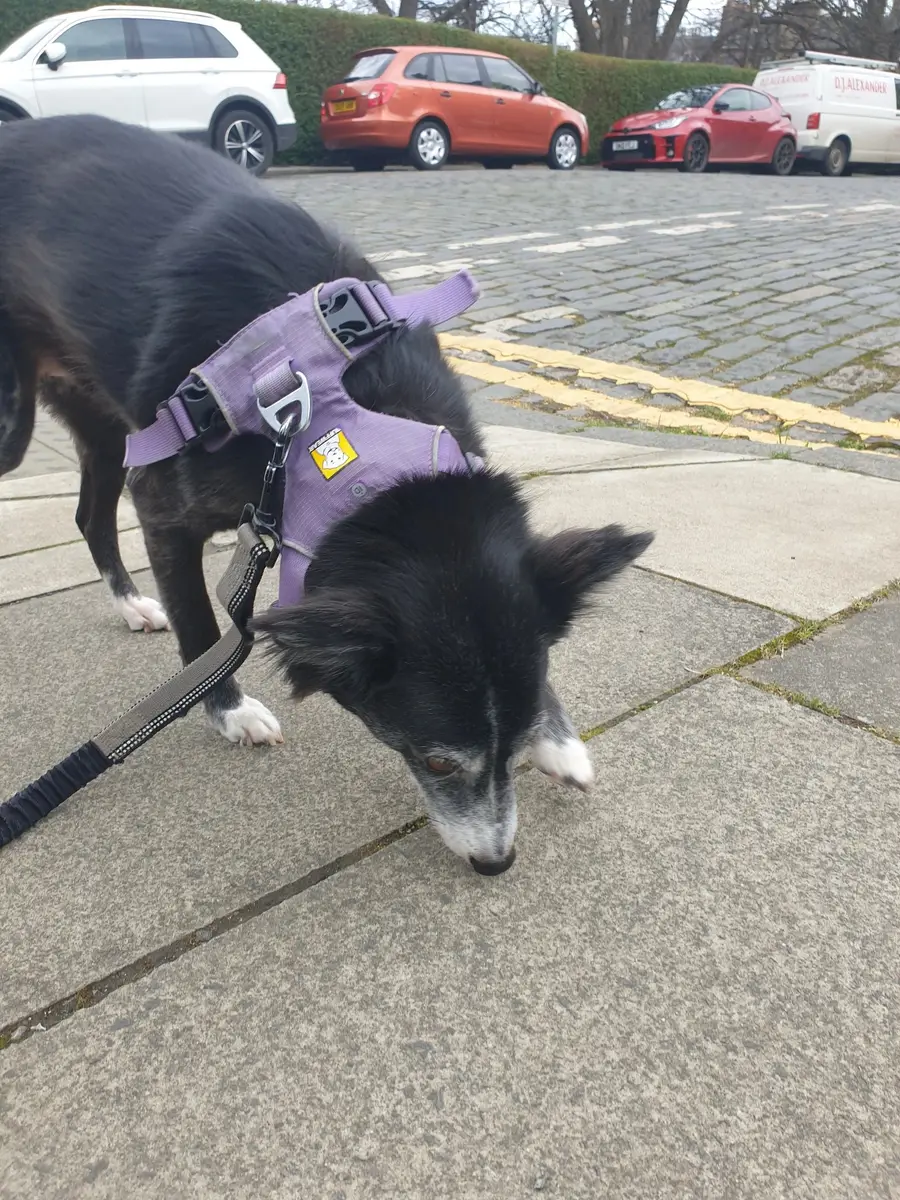
Once your dog can do these behaviours, practise them in your garden. Then practise in a quiet street, then in a quiet park, gradually building up the levels of distractions.
Always make sure you are a source of fun for your dog so they want to pay attention to you.
And always work at a level your dog can manage. It will take time and practise for your dog to be able to pay attention to you around their triggers, so be patient.
References
Dogs Trust: Getting Your Dog’s Focus And Attention | Training | Dogs Trust
Hiby, E.F., Rooney, N.J. and Bradshaw, J.W.S. 2004. ‘Dog Training Methods: their use, effectiveness and interaction with behaviour and welfare’. Animal Welfare 13(1): 63-70.
Victoria Stilwell: Touch (Hand Targeting) | Positively.com
Other relevant Rosy Paws Blog Posts:
Engagement in Dogs: What is it and Why Does it Matter? (rosypawsedinburgh.co.uk)
Simple Ways to BOOST Your Dog’s Engagement (rosypawsedinburgh.co.uk)