Engagement in Dogs: What is it and Why Does it Matter?
Engagement is one of the most useful skills for our dogs to have. It is all about getting our dog’s attention on us and being able to do that even in distracting environments.
There are so many benefits to building engagement in our dogs, so here are my top four:

1. Builds Your Relationship
All dog training needs to start with you having a strong bond with your dog. Without this, your dog is unlikely to listen to you or want to do what you ask of them.
Engagement is a fantastic way to build that relationship by getting you and your dog communicating with one another.
2. Gets Them Used to Looking to You for Help
By practicing engagement, we are teaching our dogs to pay attention to us and that we are someone they can trust.
By engaging and doing activities together, your dog will learn that they can come to you for help if they are anxious or finding something difficult. This is much better than them charging over to another dog straight away or becoming aggressive because they feel they need to defend themselves.
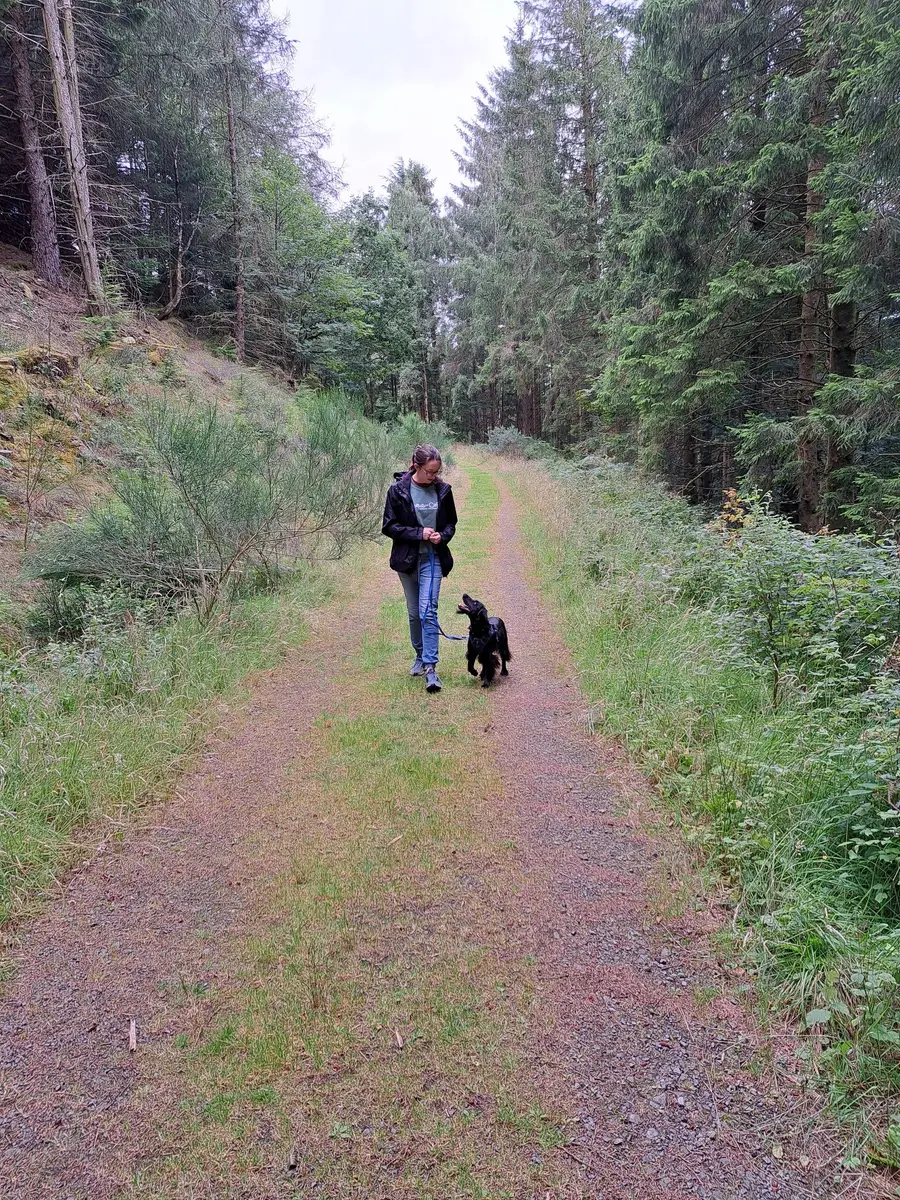
3. Helps with a Range of Behaviours
Engagement is a fundamental skill dogs need to have to learn other skills such as loose lead walking and recall.
If your dog doesn’t engage with you, it will be incredibly difficult to teach them these other skills, especially as loose lead and recall usually takes place in busy places with lots of distractions!
By teaching our dogs to engage with us, they will learn that it is more rewarding to listen to us and they will be less likely to be distracted on walks.
4. It’s fun!
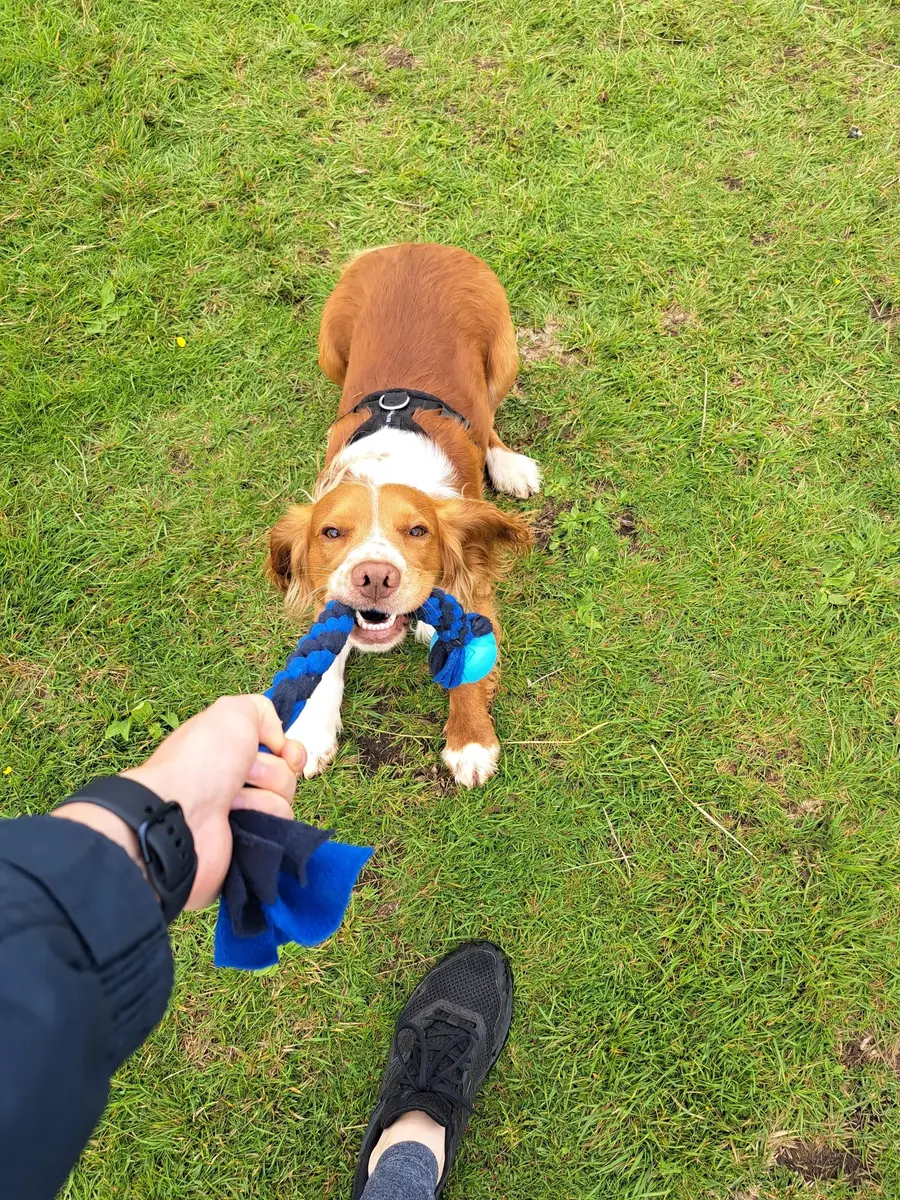
When you got a dog I am sure you wanted a creature to bond with and share your life with. That’s what engagement is all about! It’s about spending time your dog, building that relationship and having fun together.
See my blog post on why it’s important to have fun with your dog HERE
Now we know why engagement is important, look out for my next blog post about easy ways to build engagement.
Subscribe here so you don’t miss it!
References
Blue Cross: https://www.bluecross.org.uk/advice/dog/dog-and-puppy-training
Deldale, S. and Gaunet, F. 2014. ‘Effects of 2 training methods on stress-related behaviours of the dog (Canis familiaris) and on the dog-owner relationship’. Journal of Veterinary Behaviour 9(2): 58-65.
Gutteridge, S. 2018. Good Dog Behaviour by Choice with Positive Canine Coaching.