Why We Should Give Our Dogs Choices


Dogs and Choices?
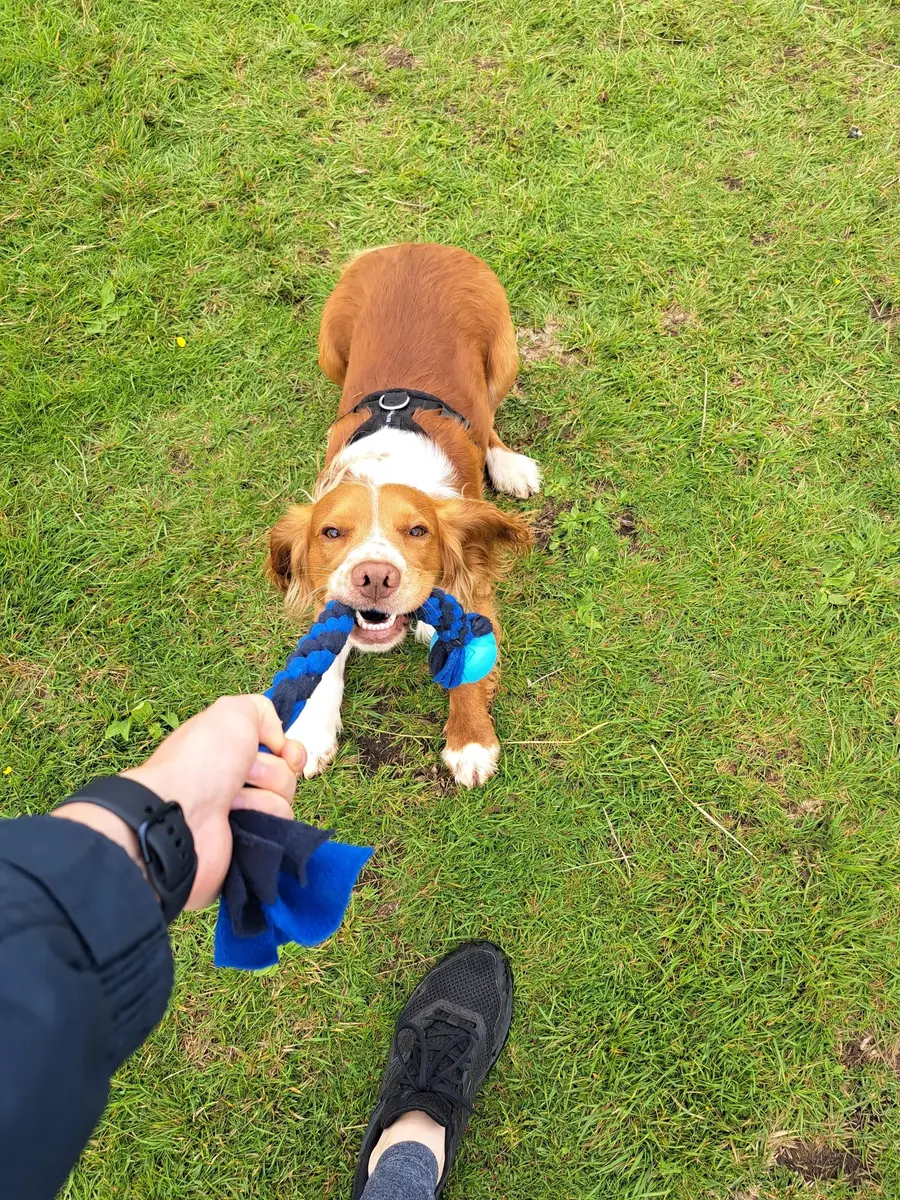
So much of our dogs’ lives are dictated by us. We decide what they eat, where they sleep, when they go out, when they are allowed to play, when they get cuddles from us, when they are on their lead and when they can run free.
When you think about it, our dogs don’t get much say in most of their lives… but why does this matter?
Benefits of Choices

1. It can make our dogs happier!
Studies (Martin et al., 2006) have shown a link between humans’ quality of life and choices. Animals are sentient beings with emotions, so choices will have a significant positive impact on their quality of life too (Kirkdon and Pajor, 2006)
2. We can learn more about our dogs
Allowing our dogs to choose in situations means we can then observe their resulting actions and emotions (Kirkdon and Pajor, 2006). We can use this to find out more about our dogs! For example, we can give them choices between different treats and toys to find out what they like the best (ibid, 2006).
3. Our dogs can feel safer
Rather than forcing things upon our dog, providing choices makes us listen to our dogs more and see their responses. For example, we can give our dog the choice whether to approach a visiting friend or stay away from them. If our dog feels safer not approaching the visitor, then we should respect their choice rather than forcing them into a situation where they don’t feel comfortable (Haug, 2008).
4. Choice can reduce aggressive behaviour
You can give your dog the choice to walk away rather than forcing them into a situation where they feel they have to react aggressively to protect themselves. This can be seen in ‘on lead aggression’ where a dog is only aggressive when on a lead when they know they cannot control where they can go (Santo, 2016). Even when your dog is on lead, you can give them choices about where they can go and offer them a safe place to retreat to, rather than forcing them into situations which make them stressed (Haug, 2008).
So How Can We Give Our Dogs Choices?

1. Let them lead on a walk
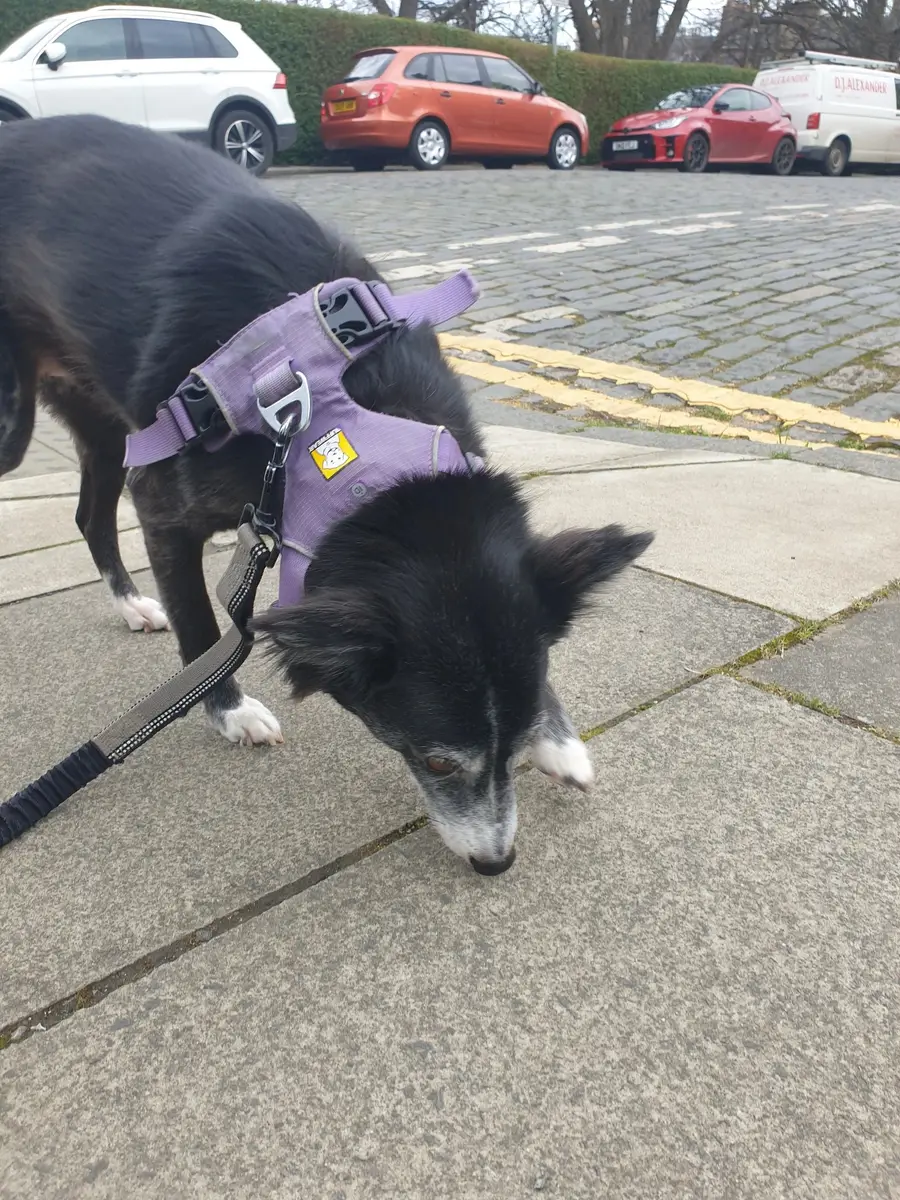
Rather than deciding where you should go for your dog’s walk, why not let your dog lead the way!? This can be interesting for you both!
Let your dog have a good sniff as you go and see where you end up (Gutteridge, 2021). You might end up at the park as usual, or you might end up somewhere new!
2. Choose the treat/toy
Find out more about your dog by putting several treats and toys down on the floor and seeing which ones they go to first.
This is also really helpful for when you train your dog as it will help you find out what their favourite things are (Pullen et al., 2010). You can then use these during training sessions.
3. Stop picking up your dog!
So many times, I see owners picking up their dogs to put them where they want. This is removing all choice from our dogs and can be stressful for them (Vogelsang, 2016). If you want to get them into a different room, lure them with a treat rather than picking them up. This allows your dog to still be able to choose whether to go and get the treat or not.
4. Make a safe space
Make sure your dog has a safe place they can retreat to if they need ‘alone time’ or don’t want to interact with visitors. Respect this space and never bother your dog while they are there (Gutteridge, 2019).
The safe space can be a crate, bed or even just an area of a room which they seem to like to sleep in!
5. Listen to your dog
Watch your dog’s body language and don’t force them into situations where they feel uncomfortable (Gutteridge, 2019). Instead, give them the choice to approach or retreat- and respect that decision!
What can you do to give your dog more choices…?
References
Gutteridge, S. 2019. Canine Communication: The Language of a Species.
Gutteridge, S. 2021. Does your dog get enough choice? Canine Principles.
Haug, L.I. 2008. ‘Canine aggression towards unfamiliar people and dogs’. Veterinary Clinics of North America: Small Animal Practice 38(5): 1023-1041.
Kirkdon, R.D. and Pajor, E.A. 2006. Applied Animal Behaviour Science 100: 29-47.
Martin, T.L., Yu, C.T., Martin, G.L. and Fazzio, D. 2006. ‘On Choice, Preference and Preference for Choice’. Behaviour Analysis Today 7(2): 234-241.
Pullen, A.J., Merrill, R.J.N. and Bradshaw, J.W.S. 2010. ‘Preferences for toy types and presentations in kennel housed dogs’. Applied Animal Behaviour Science 125(3-4): 151-156.
Santo, K. 2016. How to Deal with Leash Aggression. American Kennel Club.
Vogelsang, J. 2016. 5 Things Your Dog Wishes You Knew About Picking Him Up. Vet Street.