Why is Dog Enrichment Important?
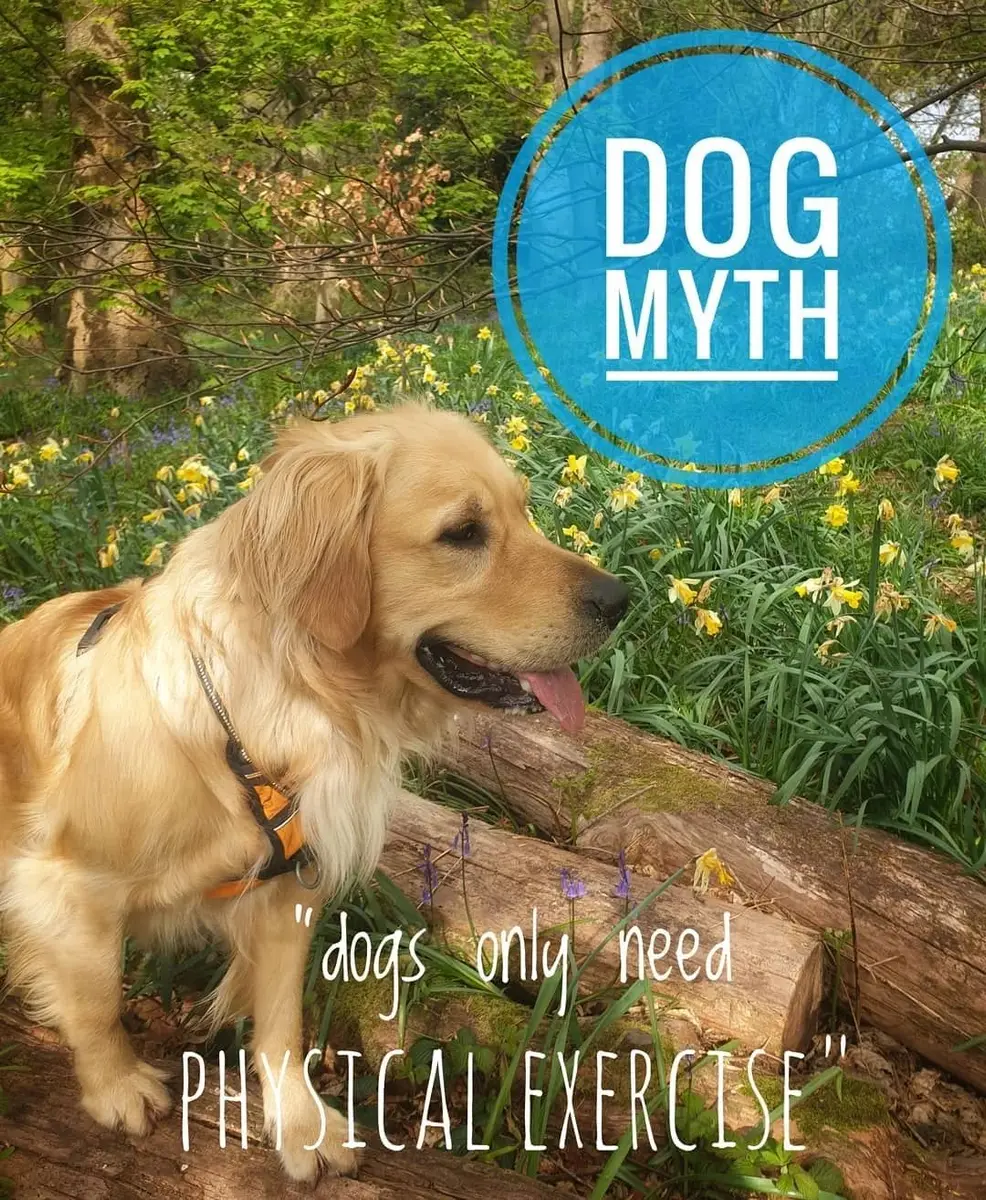
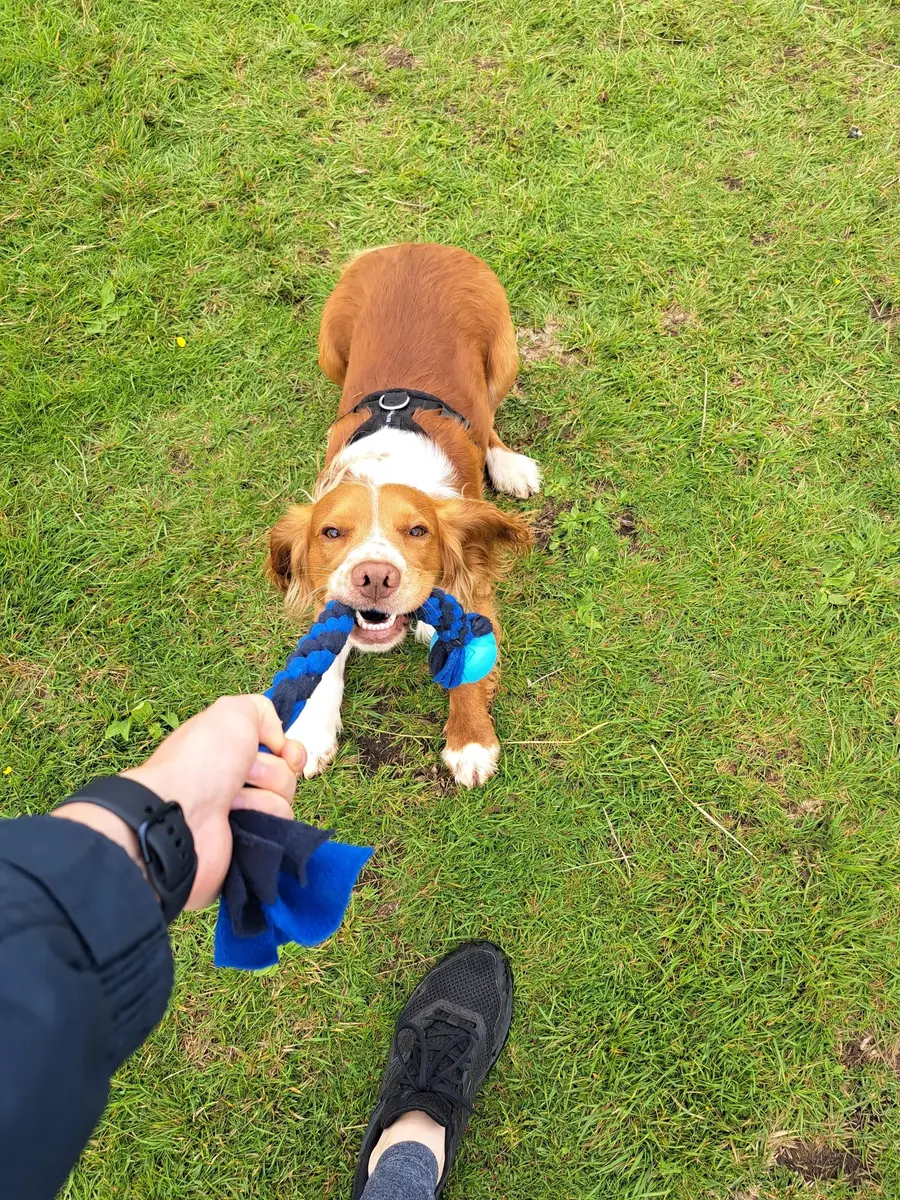
Canine enrichment means engaging your dog in ways which will improve their wellbeing. These don’t need to be expensive or time consuming but can have a massive positive effect on your dog’s health, wellbeing and behaviour.
Simple enrichment ideas can be letting your dog find their food in the garden, hiding a toy for your dog to find, or teaching them some fun tricks.
Here are just some of the benefits of providing your dog with enrichment activities…
1. Reduces boredom
By offering our dogs activities to do, we help reduce the likelihood of them being bored (Wells, 2004) and reduce associated problem behaviours (Meagher, 2018). Often, I meet dogs who bark a lot or chew things they shouldn’t. Sometimes, these problems can be improved by just adding a few extra mental activities into their day.
For a bored dog, it can be good to offer them an activity which will tire them out mentally as well as physically. For example, hiding treats around your house and garden.
2. Increases confidence
Giving your dog problem solving activities can help improve their confidence (Bender and Strong, 2019). If you see your dog struggling with an activity, help them out a little! Gradually, with practice, they will be able to do it on their own.
Building confidence is especially important in anxious dogs. By allowing them to work things out and helping them when they get stuck, they will learn to turn to you for help in situations when they are stressed (Rooney et al., 2009).
3. Builds relationship between you and your dog
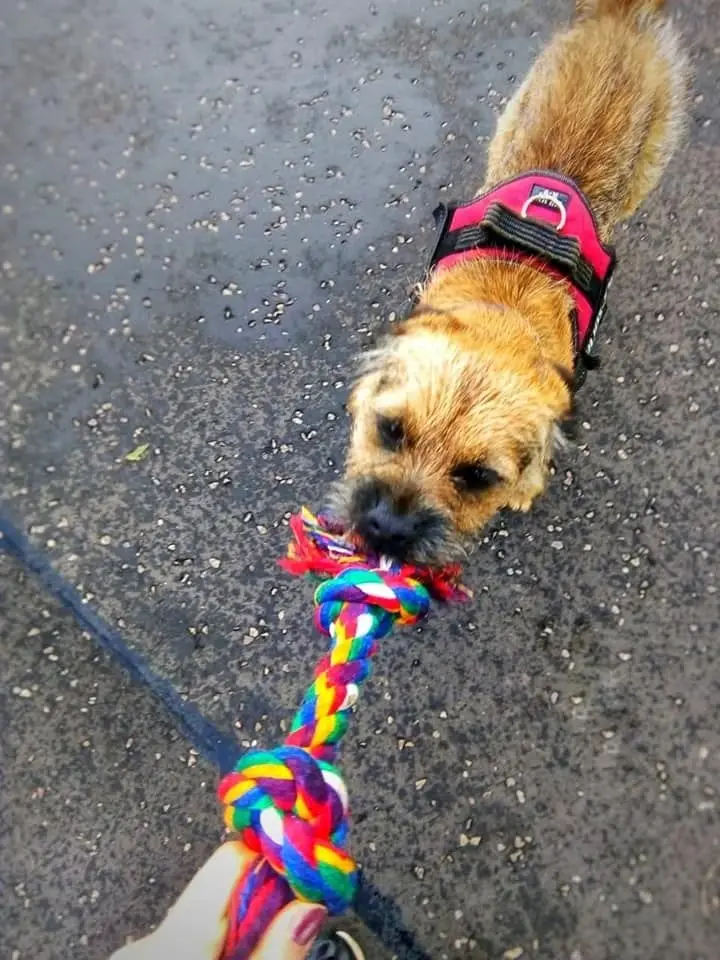
Modern dog training is all about working as a team with your dog (Deldale and Gaunet, 2014; Gutteridge, S. 2018) Canine enrichment is a great way to do this! Not only are you spending time with your dog during the activity, but there are activities you can do together to encourage bonding.
For example, teaching your dog some new tricks or joining a dog sport like agility.
4. Improves focus and concentration
Canine enrichment helps to build your dog’s cognitive abilities and prevent them deteriorating as they age (Siwak-Tapp et al., 2008). Just like how doing Suduko can help reduce mental deterioration in humans (Grabbe, 2010), canine enrichment can help our dogs’ minds stay sharp!
5. Encourages natural behaviours
Our lifestyles don’t often allow our dogs to behave like dogs. We give them their food in a bowl, expect them to walk to heel on leads and leave them home alone for periods of time. Dogs have managed to adapt really well to these constraints, but sometimes it can be nice to give them opportunities to exhibit natural behaviours (Price, 2010; Riggio et al., 2019).
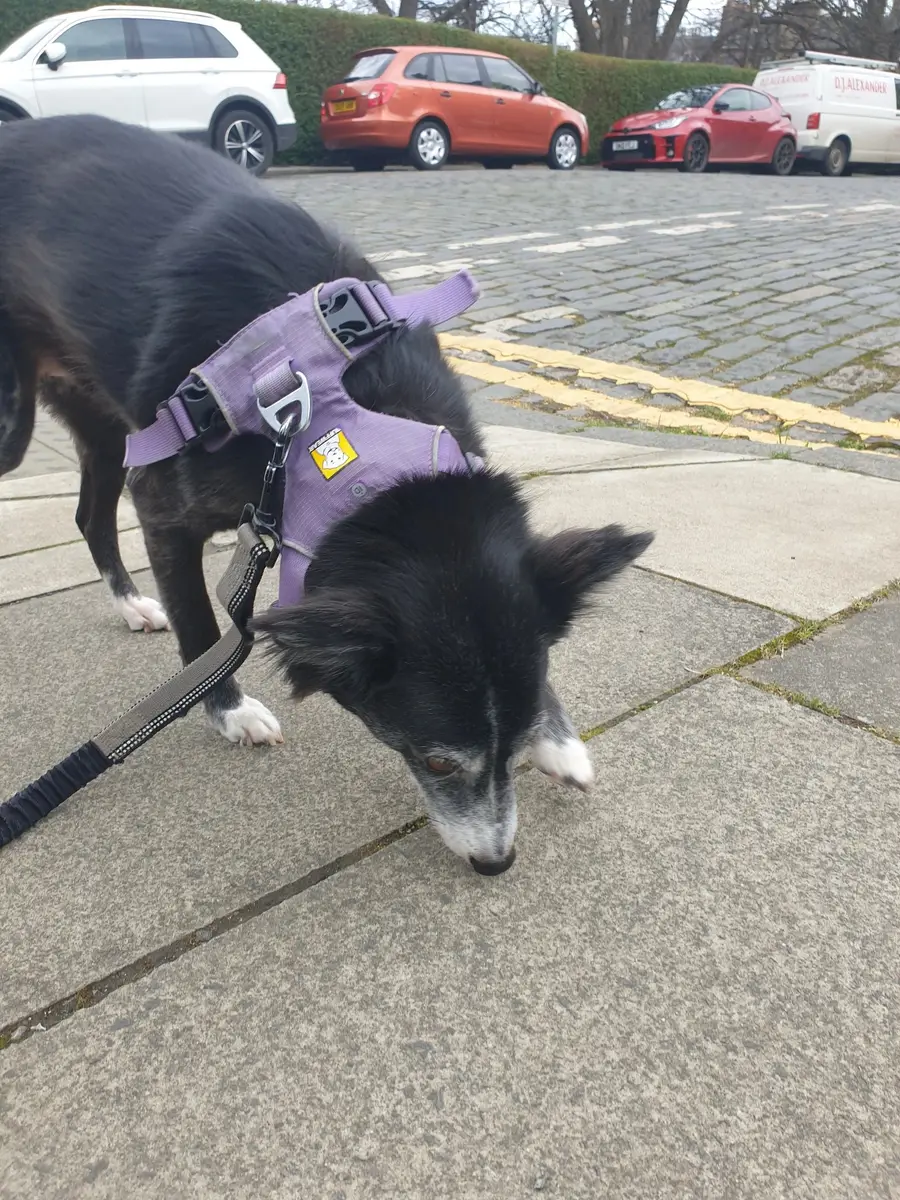
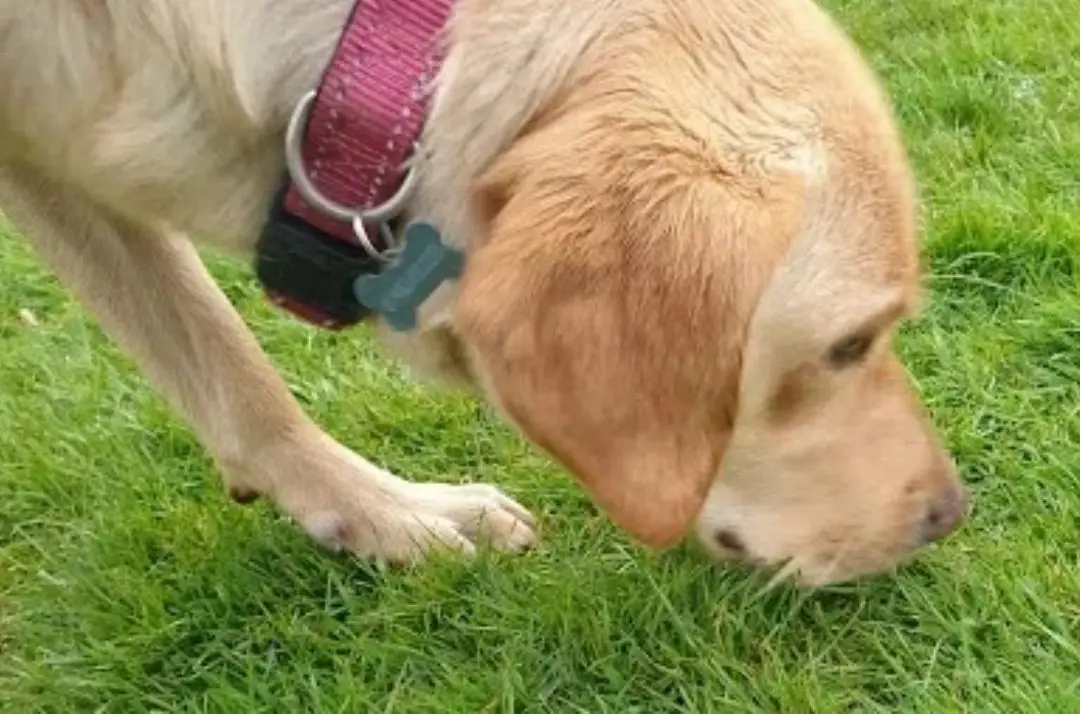
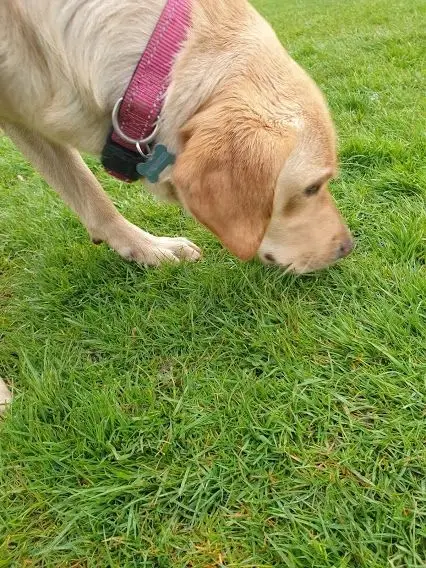
Canine enrichment is a great way to do this! We can scatter their meals in the garden so they have to forage for their food. We can create scent trails so they can sniff. We can take them to different locations and just allow them to explore in their own time, without rushing them.
6. Reduces stress and anxiety
Studies (Moesta et al., 2015; Lindig et al., 2020) have shown that canine enrichment can reduce stress and anxiety in our dogs. Sniffing, chewing and licking are naturally calming behaviours for dogs (Duranton and Horowitz, 2019), so we can offer enrichment activities which encourage these behaviours. Lick mats, Kongs and snuffle mats are great for this.
These are just some of the benefits of canine enrichment! There is really no reason not to provide your dog with some fun activities.
Keep an eye out for my next blog post all about easy ways to do this!
References
Bender, A. and Strong, E. 2019. Canine Enrichment for the Real World. Dogwise Publishing.
Deldale, S. and Gaunet, F. 2014. ‘Effects of 2 training methods on stress-related behaviours of the dog (Canis familiaris) and on the dog-owner relationship’. Journal of Veterinary Behaviour 9(2): 58-65.
Duranton, C. and Horowitz, A. 2019. ‘Let me sniff! Nosework induces positive judgement bias in pet dogs’. Applied Animal Behaviour Science 211: 61-66.
Grabbe, J.W. 2010. ‘Sudoku and Working Memory Performance for Older Adults’. Activities, Adaptation and Aging 35(3): 241-254.
Gutteridge, S. 2018. Good Dog Behaviour by Choice with Positive Canine Coaching.
Lindig, A.M., McGreevy, P.D. and Crean, A.J. 2020. ‘Musical Dogs: A Review of the Influence of Auditory Enrichment on Canine Health and Behavior’. Animals 10(1): 127.
Meagher, R. 2018. ‘Is boredom an animal welfare concern?’ Animal Welfare 28(1): 21-32.
Moesta, A., McCune, S., Deacon, L. and Kruger, K.A. 2015. ‘Canine Enrichment’. Animal behaviour for shelter veterinarians and staff pp.160-170.
Price, L.J. 2010. ‘A preliminary study of the effects of environmental enrichment on the behaviour of captive African wild dogs (Lycaon pictus)’. Bioscience Horizons 3(2): 132-140.
Riggio, G., Mariti, C., Boncompagni, C., Corosaniti, S., Di Giovanni, M., Ogi, A., Gazzano, A. and Thomas, R. 2019. ‘Feeding Enrichment in a Captiva Pack of European Wolves (Canis Lupus Lupus): Assessing the Effects on Welfare and on a Zoo’s Recreational, Educational and Conservational Role’. Animals 9(6): 331.
Rooney, N., Gaines, S. and Hiby, E. 2009. ‘A practitioner’s guide to working dog welfare’. Journal of Veterinary Behavior 4(3): 127-134.
Siwak-Tapp, C.T., Head, E., Muggenburg, B.A., Milgram, N.W. and Cotman, C.W. 2008. ‘Region specific neuron loss in the aged canine hippocampus is reduced by enrichment’. Neurobiol Aging 29(1): 39-50.
Wells, D.L. 2004. ‘A review of environmental enrichment for kennelled dogs, Canis familiaris’. Applied Behaviour Science 85(3-4): 307-317.