Why Does My Teenage Dog Need Shorter Walks, Not Longer Ones?
.jpeg)
Everyone tends to think they need to walk their dog for an hour at least once a day and that hour needs to consist of their dog running around burning off energy to ‘tire them out’. But WHY do we think this? Where did an hour-long walk come from? It’s completely arbitrary and very general!
Instead of focusing on distance covered and the amount our dog has run around or done physical exercise, we need to make our dogs’ walks more fulfilling as a whole. This is especially important when we consider teenage dogs- their brains are rewiring, bodies are still growing and hormones are kicking in. If we only see walks as physical exercise, our teenage dogs are going to be over-exercised, over-tired and over-aroused by the time we come home.
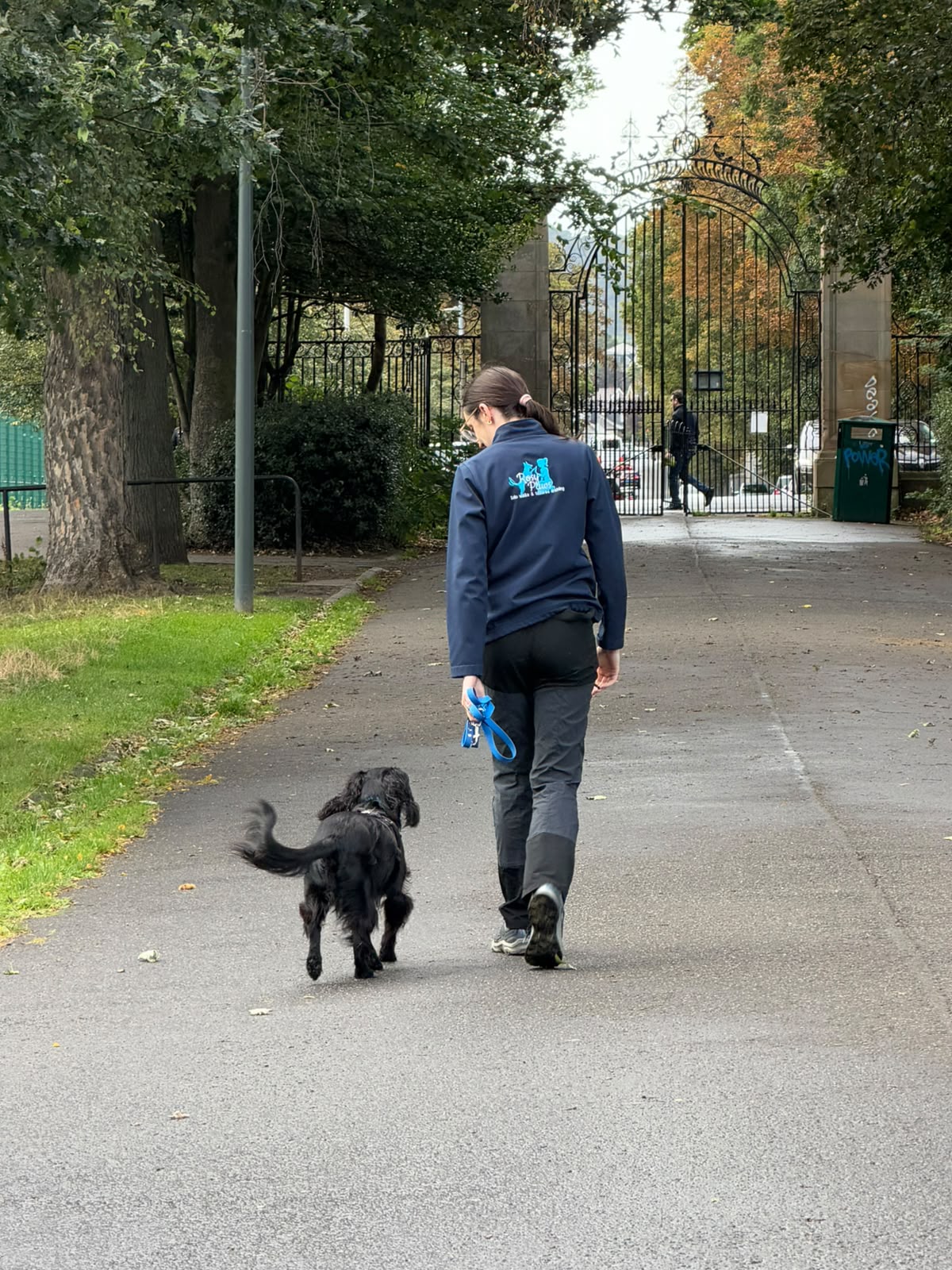
Take this example of a thirty-minute enriching walk:
Take your dog to a quiet spot with plenty of good sniffs for your dog.
When you arrive somewhere, give your dog time to adjust to the space. Let them realise where they are and take it all in.
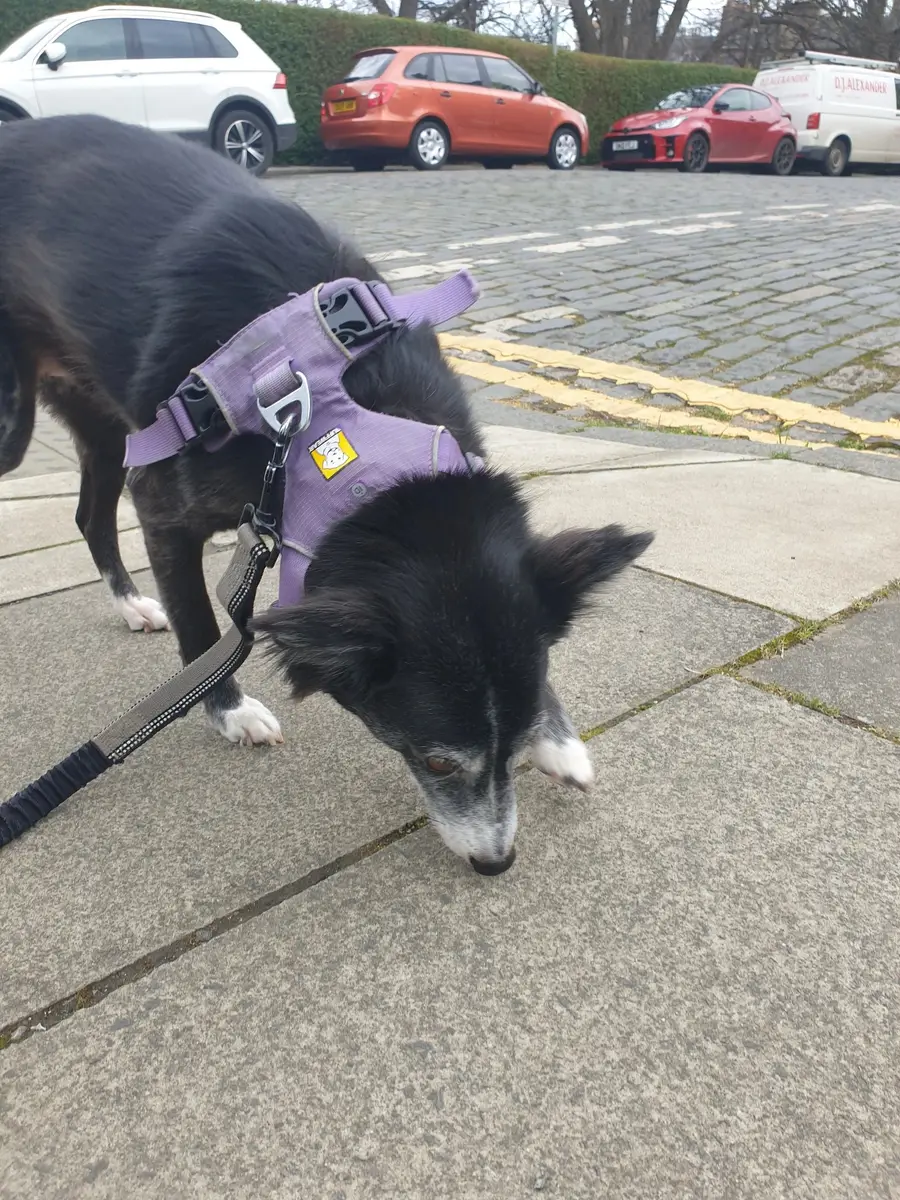
Then spend a good 10-15 minutes allowing your dog to sniff. If you’re worried about letting them off the lead, use a 5m long line so they can more freedom but you can keep them safe. Allow your dog to follow the scents, uninterrupted.
Fit some short pockets of training into the walk, keeping it fun and playful. You could practise some recall training or some fun cues your dog already knows well.
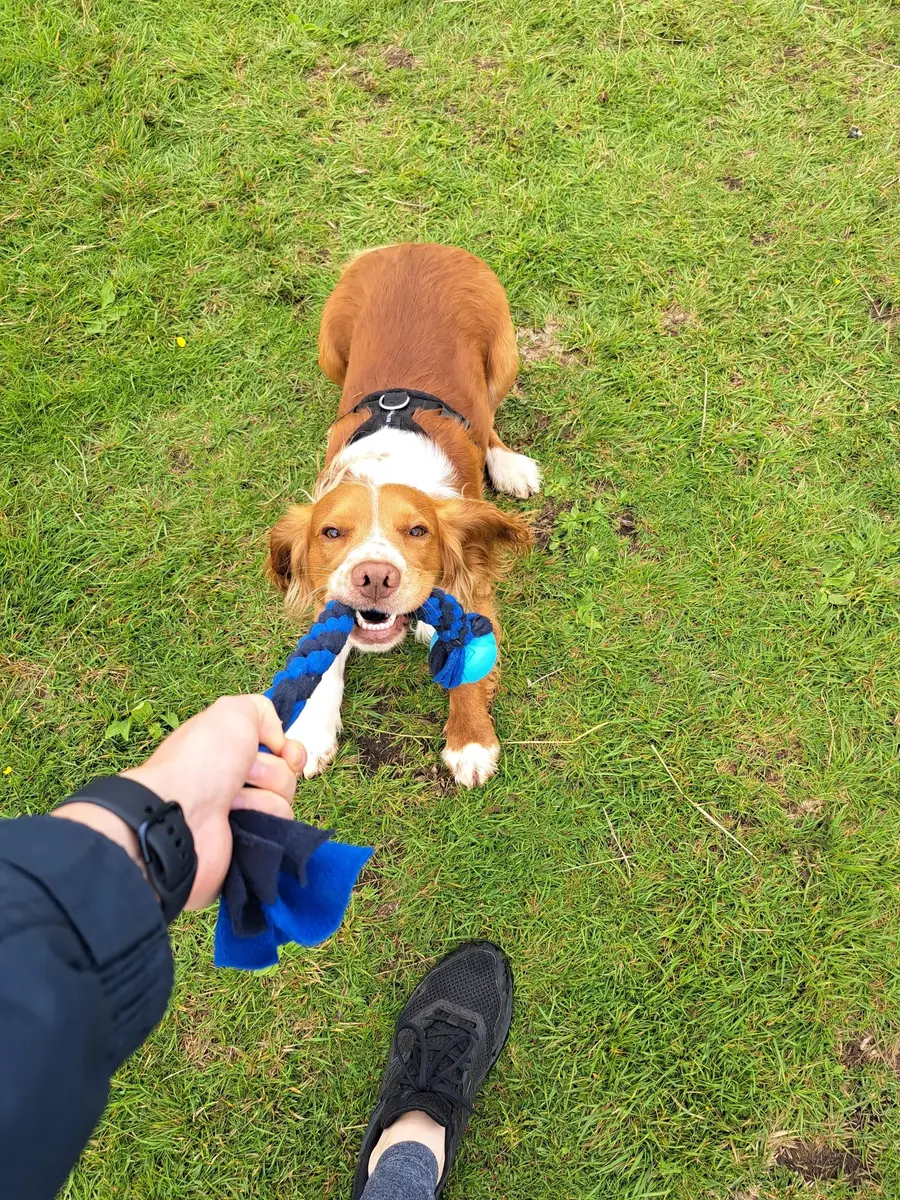
If your dog enjoys games, bring a toy and spend just a couple of minutes playing with them. Keep it short and sweet so they don’t get over-aroused. Avoid just playing fetch, instead incorporate some training into your fetch games (like a wait cue, or a touch before you throw the ball) or hide the ball for your dog to find instead.
Allow some time after the play for your dog to have some more sniffing opportunities- at least five minutes- so they can calm back down after the excitement of play.
Signs that today is not a walk day and what to do instead:
It’s probably best to skip your dog’s walk if:
- They are struggling to listen to you at home
- They seem over-tired or more tired than usual
- They had a busy, stressful or exciting time yesterday or that morning
A skipped walk doesn’t mean you just ignore your dog- instead spend the time from the walk with your dog at home. You could:
- Play with your dog in the garden
- Practise some training with them
- Teach them a new trick
- Play some scentwork games
- Offer them some puzzle toys
When we shorten our dogs walks, the walks themselves will probably be more enjoyable because your dog is not getting constantly overwhelmed, but also the time at home should improve as your dog isn’t over-tired and finds it easier to sleep and settle.
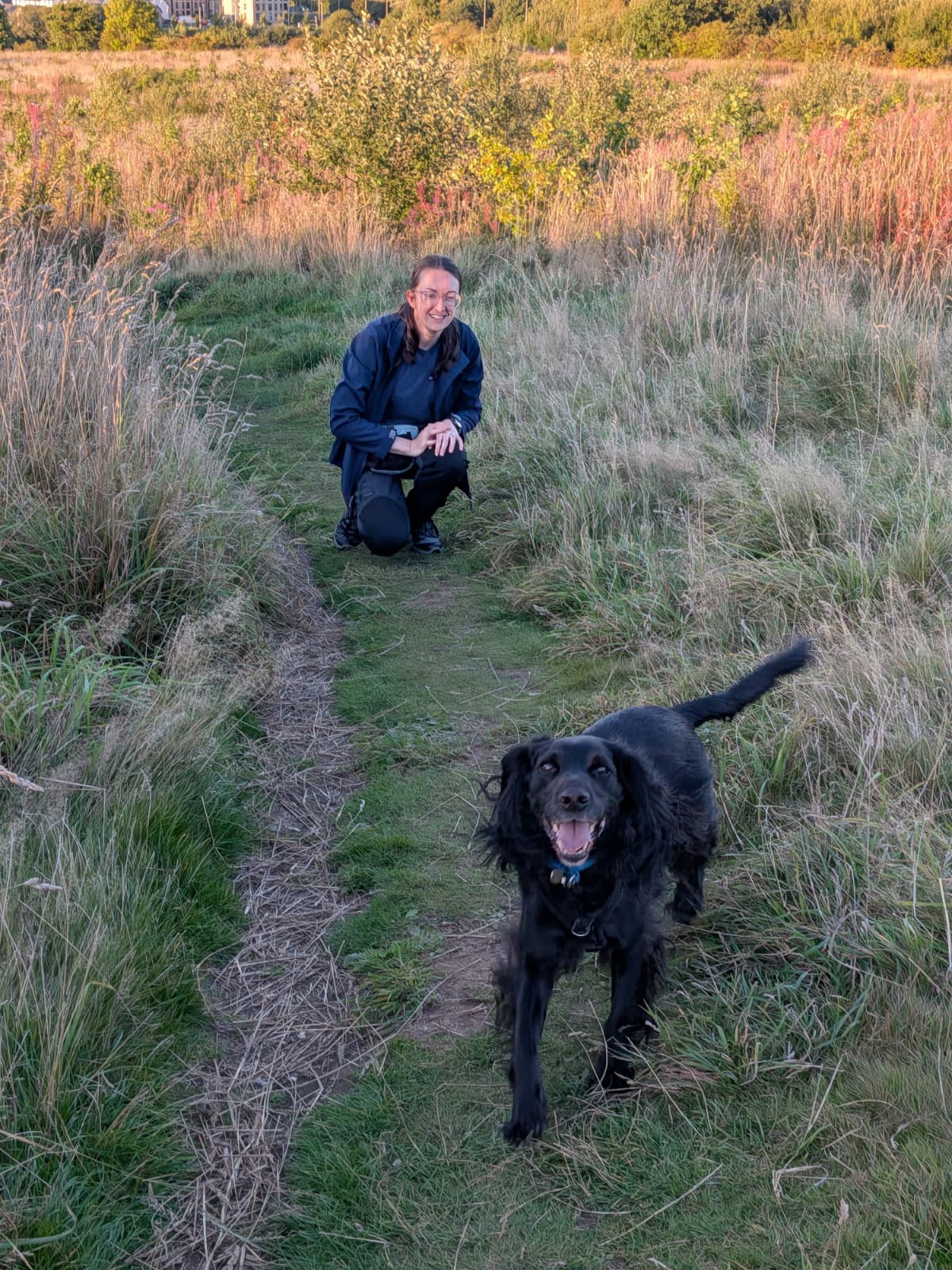
Here are some of my favourite spots in Edinburgh for quiet sniffy walks:
- Fields beside Cammo Estate
- Braid Hills are massive so it’s easy to move away from people and find quiet spots there
- Costorphine Hill is full of sniffs and big enough that you can avoid the most popular, busy spots
- Cycle Paths next to Carrick Knowe Golf Course- I keep my dog on lead here and love walking along the path next to the tram lines with views of Edinburgh Castle
One thing to try on tomorrow’s walk- focus on QUALITY over duration and physical exercise.