Why Confidence Matters in Dogs…

People traditionally associated a confident dog with a dominant dog. However, dominance theory has long been disproved and research shows that a confident dog is much better- for us and our dogs! Here is why….
1. Less likely to be aggressive
Dogs who are anxious or insecure are more likely to show signs of aggression than a confident dog (Foyer et al., 2013). An insecure dog is more likely to feel they need to resort to aggression, while a confident dog knows there are other, better ways to make themselves feel safe.
2. Learn new skills
Confident dogs are more likely to want to learn new skills, and find it easier to do so (Hasegawa et al., 2014; Deldalle and Gaunet, 2014). Insecure dogs are more likely to want to stick to routines and habits that they have learned work in the past.
3. Able to Cope in New Situations
A dog who is insecure is likely to close down and get very stressed in new situations. A confident dog will be more likely to explore and investigate (Sforzini et al., 2009). They may still be a little apprehensive or wary, but this doesn’t override their curiosity.
4. Relationship with owners
Building your dog’s confidence also helps build your relationship with each other (Hiby et al., 2004)! Be sure to build it up in the right way. Don’t dive into the deep end- building confidence takes time so be patient. Your dog will learn to trust you, rather than fear you. (My next blog post will be all about ways to build your dog’s confidence!)
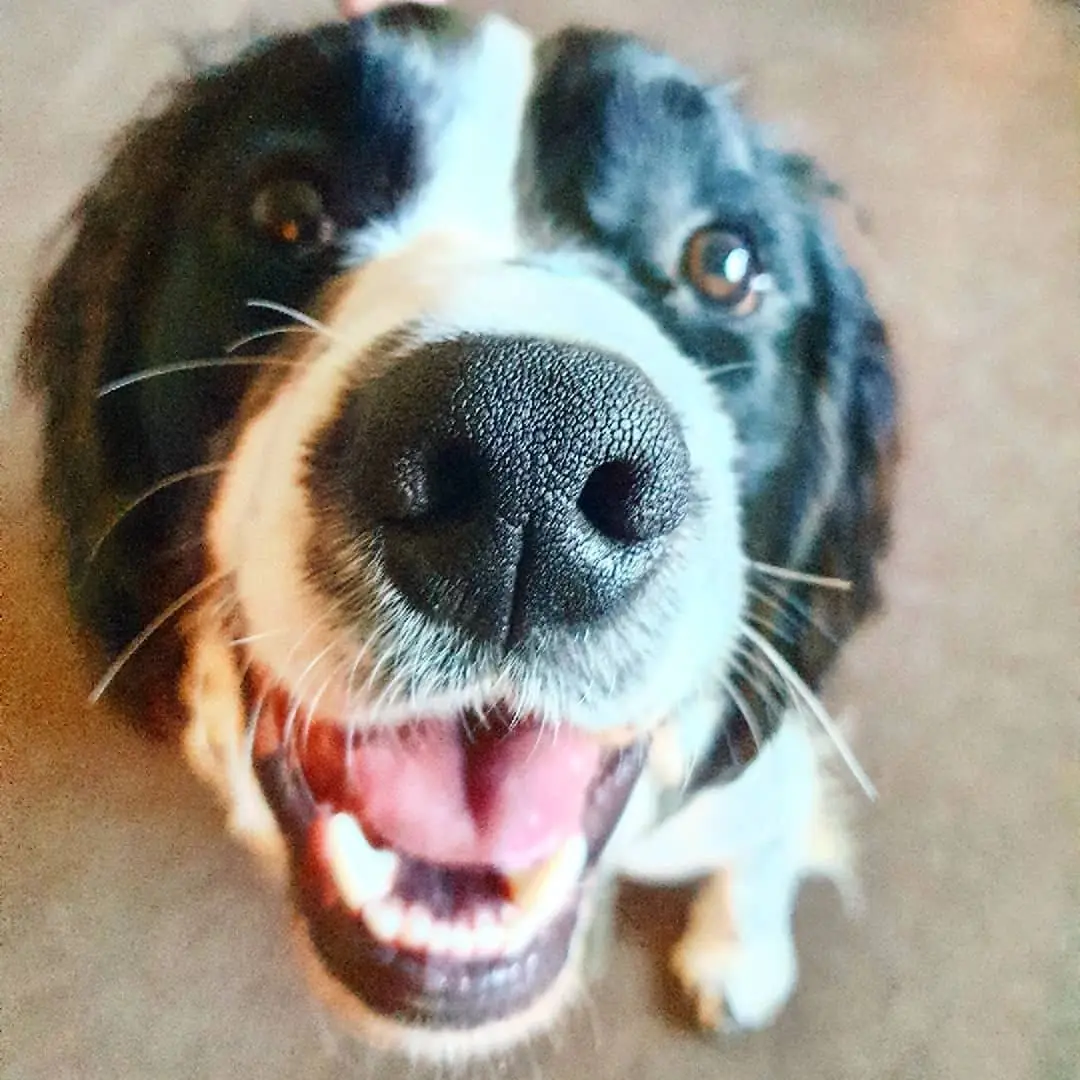
5. Overall wellbeing and happiness
A confident dog will be much happier than an insecure dog. Insecure dogs tend to be more likely to suffer from stress and anxiety, which both negatively affect their mental and physical health (Beerda et al., 1998). A confident dog will be able to get more out of life too by being able to enjoy all sorts of experiences with you.
Is your dog confident? If not, don’t worry! Just like humans, some dogs are more confident than others (Gutteridge, 2019; Hasegawa et al., 2014). There are easy things we can do to boost our dogs’ confidence. Keep an eye out for my next blog post for these…
References
Beerda, B., Schilder, M.B., Van Hooff, J.A., De Vries, H.W. and Mol, J.A. 1998. ‘Behavioural, saliva cortisol and heart rate responses to different types of stimuli in dogs’. Applied Animal Behaviour Science 58(3-4): 365-381.
Deldalle, S. and Gaunet, F. 2014. ‘Effects of 2 training methods on stress-related behaviours of the dog (Canis familiaris) and on the dog-owner relationship.’. Journal of Veterinary Behaviour 9(2): 58-65.
Foyer, P., Wilsson, E., Wright, D. and Jensen, P. 2013. ‘Early experiences modulate stress coping in a population of German Shepherd dogs’. Applied Animal Behaviour Science 146(1-4): 79-87.
Gutteridge, S. 2019. Canine Communication: The Language of a Species.
Hasegawa, M., Ohtani, N. and Ohta, M. 2014. ‘Dogs’ body language relevant to learning achievement’. Animals 4(1): 45-58.
Hiby, E.F., Rooney, N.J. and Bradshaw, J.W.S. 2004. ‘Dog Training Methods: their use, effectiveness and interaction with behaviour and welfare’. Animal Welfare 13(1): 63-70.
Sforzini, E., Michelazzi, M., Spada, E., Ricci, C., Carenzi, C., Milani, S., Luzi, F. and Verga, M. 2009. ‘Evaluation of young and adult dogs’ reactivity’. Journal of Veterinary Behavior 4(1): 3-10.