What's the Difference Between Dog Trainers and Dog Behaviourists?
This is a question I get asked a LOT! And the answer often isn’t clear cut, especially when there are so many dog trainers and behaviourists in Edinburgh. Hopefully this blog post will give you an idea of when you need to see a behaviourist and when you a dog trainer is the right choice for you.
What’s the Difference?
Typically a dog trainer will help you teach your dog a specific behaviour. This could be in a group session or private sessions.
Things dog trainers typically help with include:
- New puppy training
- Loose lead walking
- Recall
- Good manners around people
- Mental stimulation
- Tricks and commands
- Dog activities (e.g. scentwork, agility)

Dog behaviourists are typically hired to help you with your dog on a deeper level than a dog trainer. They will look at your dog’s lifestyle and health as a whole, and often work alongside vets to rule out any potential medical issues and discuss medication options when appropriate.
Things they can help with typically include:
- Aggression
- Fearfulness
- Separation anxiety
- Severe resource guarding
- Bite risk
- Phobias
- Severe reactivity to other dogs
- Potential underlying medical conditions
- Repetitive behaviours (e.g. shadow chasing)
Some cases can be borderline. Or a case may start out as being a suitable for a dog trainer, but other things develop which means you then need to be referred to a dog behaviourist. The key thing is that the professional you are working with is open and honest, and knows when to refer to a behaviourist if needed.
An Unregulated Industry
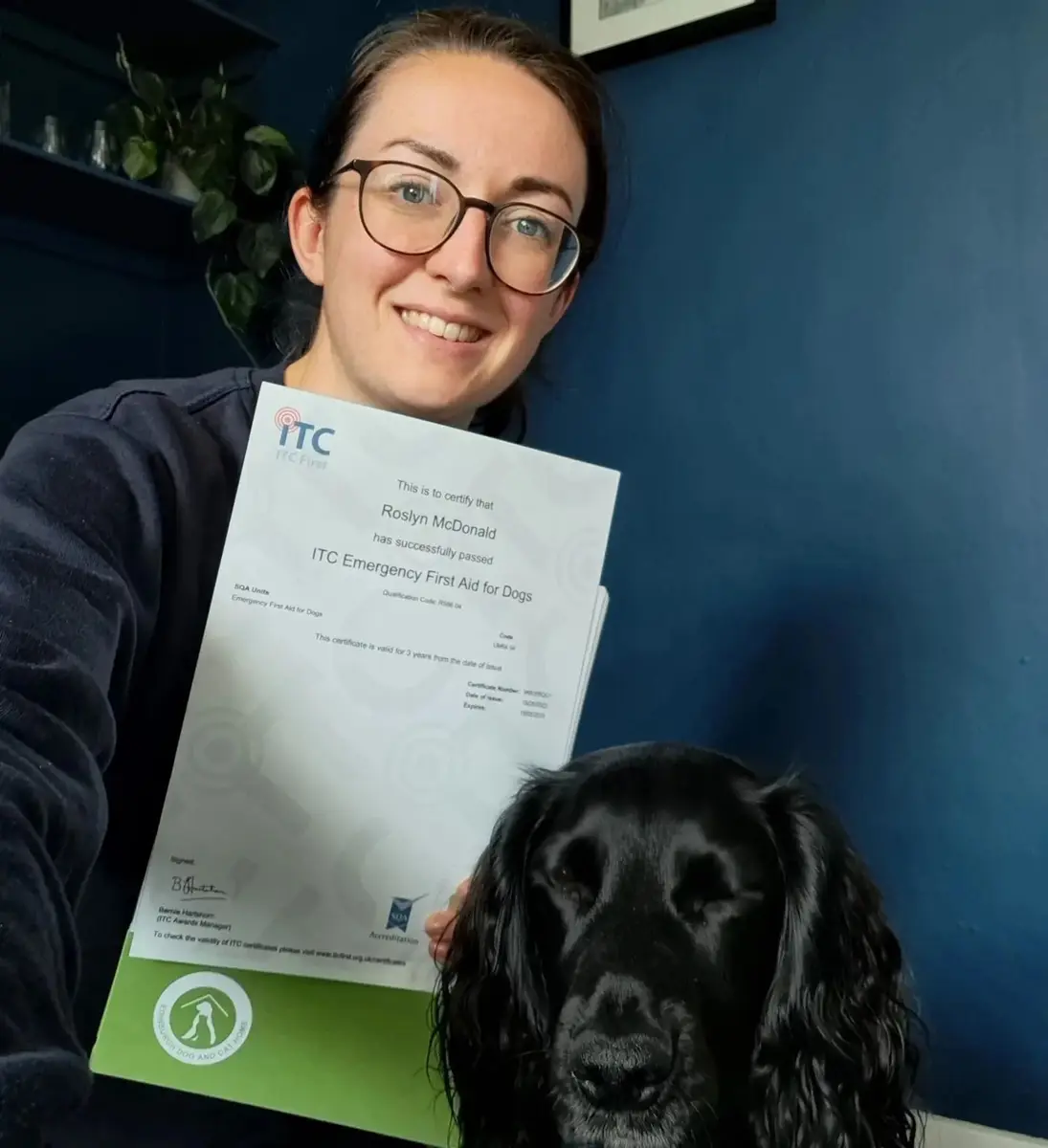
In the UK, the dog training and behaviour industry is unregulated. ANYONE can call themselves a dog trainer or dog behaviourist regardless of their qualifications or experience. This is pretty scary as you could end up paying someone hundreds of pounds and not get accurate help and advice.
This means you need to check people’s experience and qualifications before hiring them.
For a dog trainer, you are looking for them to be registered with the Animal Behaviour & Training Council (ABTC) as an Animal Training Instructor (ATI) or Animal Behaviour Technician (ABT).
A dog behaviourist should be registered as a Clinical Animal Behaviourist, Veterinary Behaviourist or Accredited Animal Behaviourist.
Being registered with ABTC shows that the person has certain qualifications and does a certain number of hours of Continued Professional Development every year to maintain their status on the ABTC register.
The ABTC also checks people have appropriate insurance before allowing them on the register.
You can use the ABTC register to even search by location, e.g. look for dog trainers in Edinburgh.
Key things to check when hiring a dog trainer or dog behaviourist
My top tips when hiring a dog trainer or behaviourist:
- Are they easy for you to talk to?
- Do they ask you relevant questions about your dog?
- Will you be able to communicate with them between sessions?
- What training methods do they use?
- Do they have relevant qualifications?
- What experience do they have with the issue you are looking for help with?
Most professionals will offer a free initial phone call to check you are the right fit for each other. Have a look at customer reviews too.
Looking for a dog trainer in Edinburgh?
Check out my 1-2-1 dog training packages
Tailored dog training sessions in Edinburgh