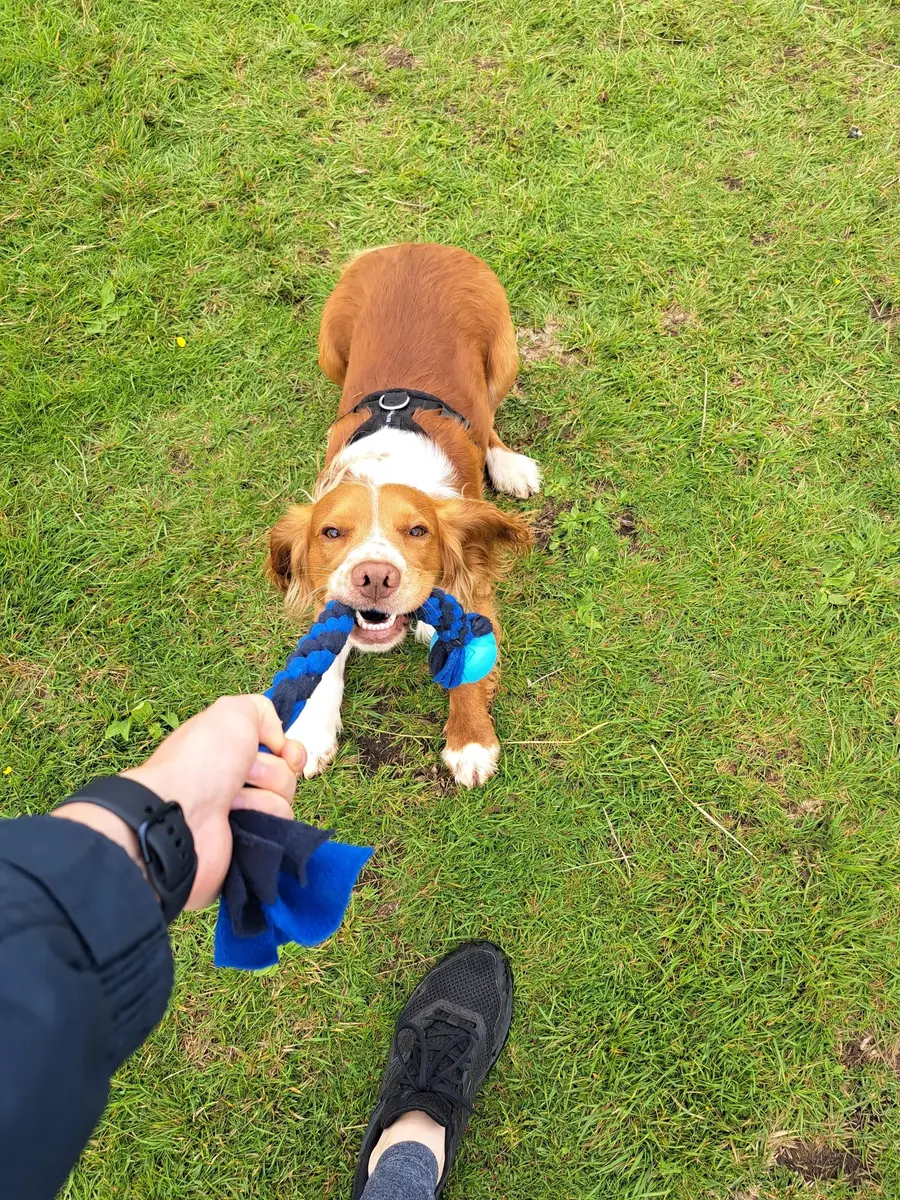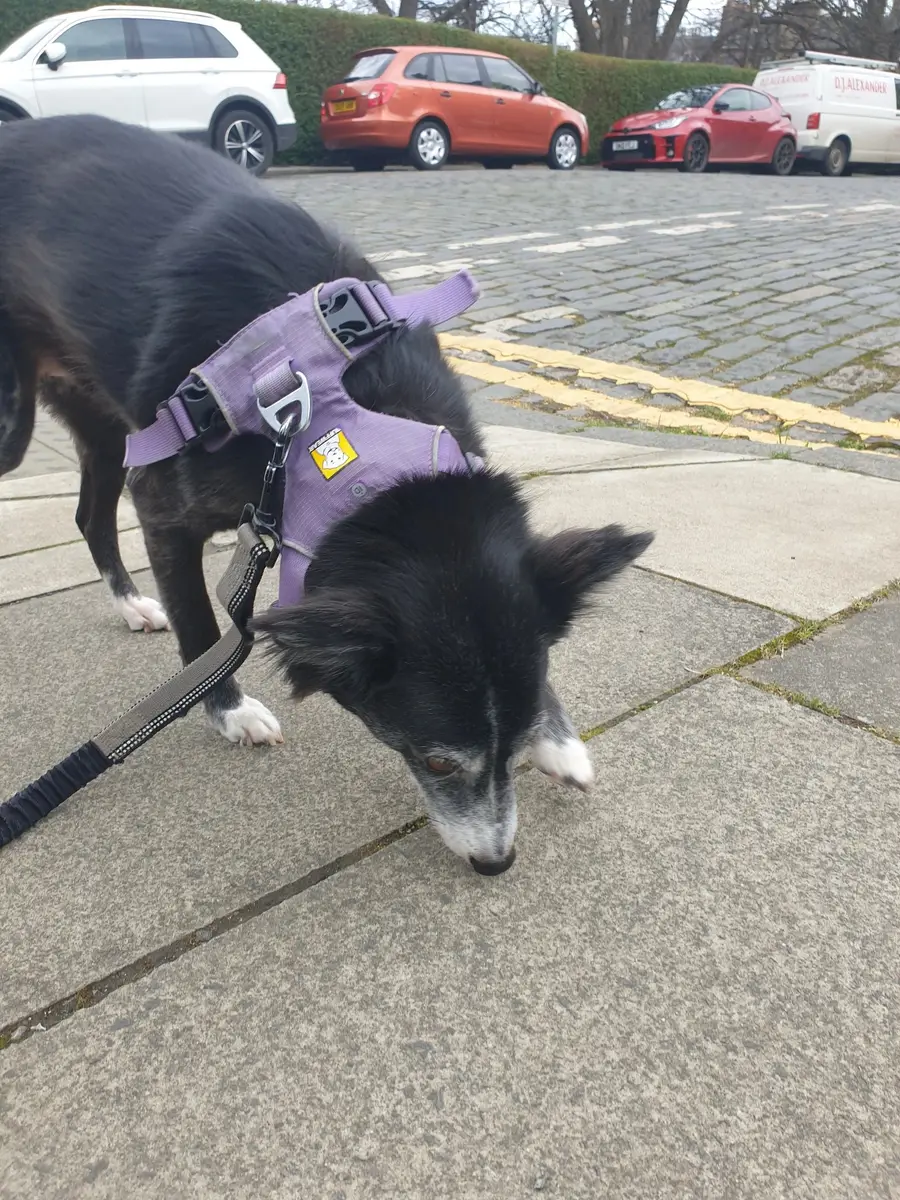
What is the Dog Teenage Phase?

Just like humans, dogs go through a period of adolescence. It starts at around 6 months and can last until your dog is 2 years old.
This is a critical point of your dog’s development, but it is also the time most dogs are rehomed.
It’s crucial we manage this period properly so that problem behaviours don’t become habits and carry on into adulthood.
Physical Changes
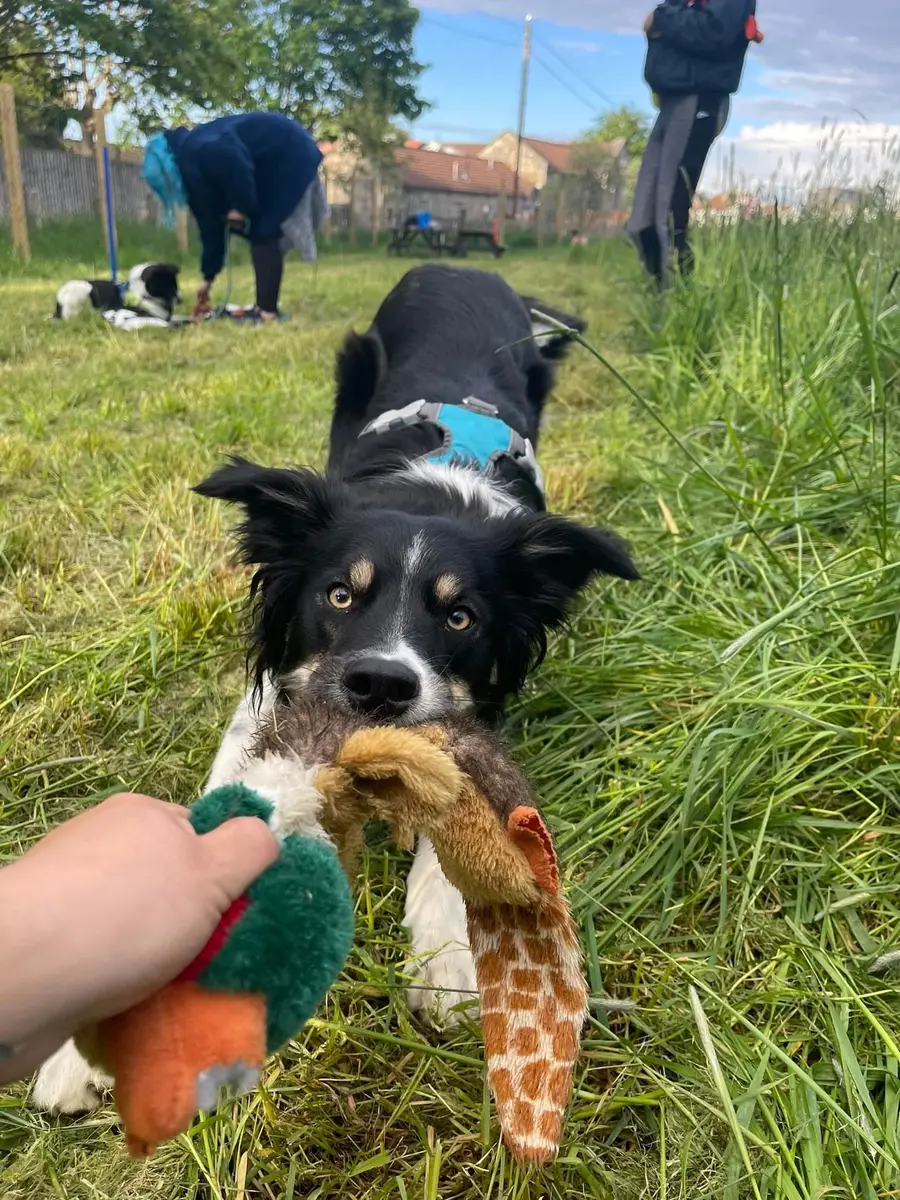
The Brain
Your dog’s brain is very busy organising itself during adolescence. Your dog may have reduced emotional regulation and a more active stress response system.
The Body
Your dog will be physically growing.
Structural issues (such as hip dysplasia) may become apparent.
The increased stress response in the brain can inhibit the immune response meaning your dog is more susceptible to infections.
Hormones
The growth hormone can affect availability of sugars to the brain which can affect your dog’s learning ability.
Males will be producing testosterone.
Females will start their hormone cycles.
Behaviour Changes

Social Behaviour Changes
Your dog’s brain is telling them to break away from their family group and start looking for a mate. Your dog may be more independent, be less engaged with you and roam further from you.
Territorial Behaviour
Your dog may start barking more at home and in their local neighbourhood
Heightened Stress Responses
Your dog may be spooked out by out of place objects and more sensitive to touch and sound.
Increased Risk Taking
Your teenage dog’s brain is busy developing and during this period your dog is more likely to engage in risky behaviours such as rushing over to unfamiliar dogs.
Reduced Self Control
Your dog will have a lower tolerance for frustration and may be less likely to control themselves if they don’t get what they want immediately.
How to Manage Adolescence

There are so many changes going on in your dog’s body during their teenage phase so it’s crucial we manage this phase with care so they grow into well balanced adult dogs.
Sign up to my mailing list to get a reminder about my next blog post ‘Managing Adolescence’
Plus get a FREE guide about understanding your adolescent dog.
SIGN UP HERE
References
Blue Cross: Adolescence in Dogs | Blue Cross
Owczarczak-Garstecka, S.C., Da Costa, R.E., Harvey, N.D., Giragosian, K., Kinsman, R.H., Casey, R.A., Tasker, S. and Murray, J.K., 2023. “It’s Like Living with a Sassy Teenager!”: A Mixed-Methods Analysis of Owners’ Comments about Dogs between the Ages of 12 Weeks and 2 Years. Animals, 13(11), p.1863.
PDSA: Adolescent (Teenage) dogs - PDSA
RSPCA: Managing Your Adolescent Puppy | RSPCA - RSPCA - rspca.org.uk
Tucker, N., 2018. Smells Like Teen Spirit: What to expect during your dog’s adolescence. Whole Dog Journal, 21(3), pp.18-20.