Understanding Your Dog’s Attention Seeking Behaviour
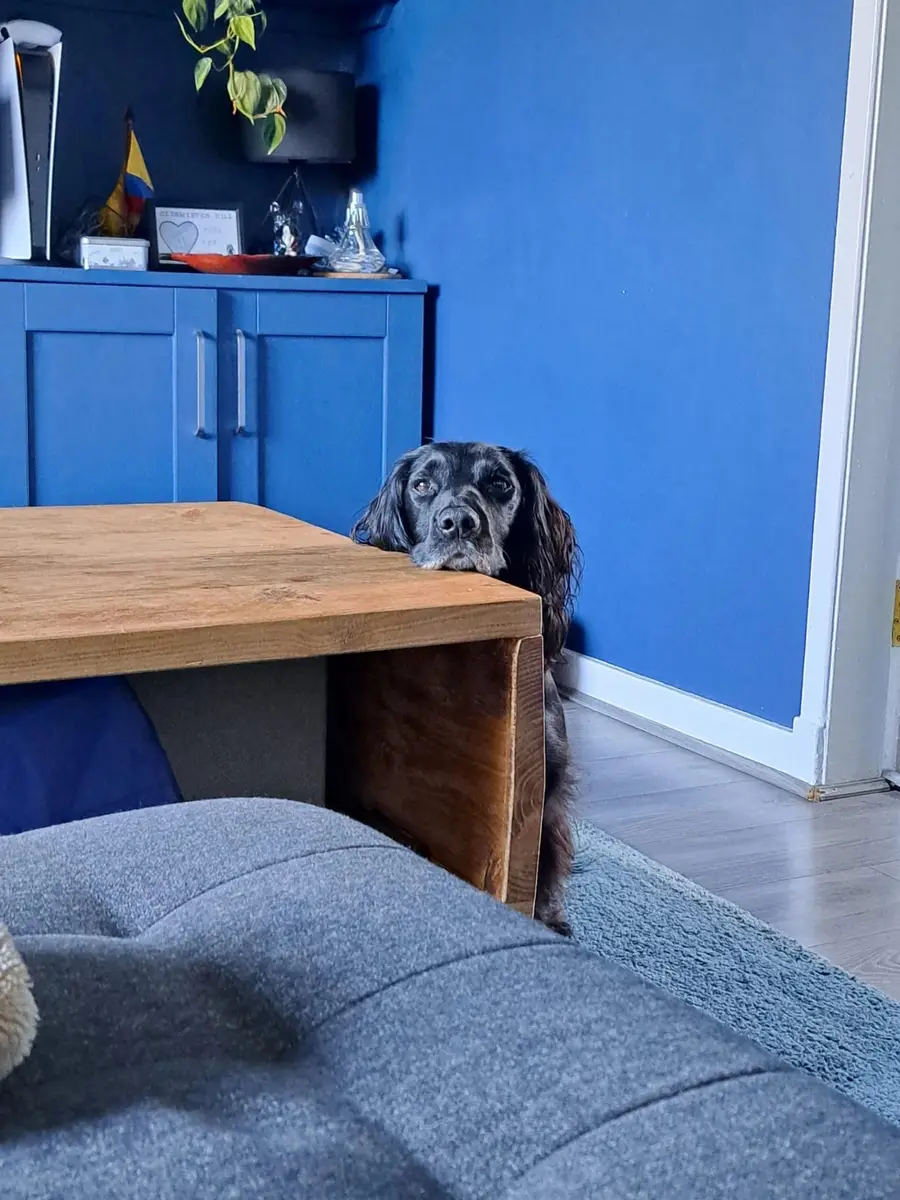
Attention seeking behaviour can be really annoying for us!
It can be:
- Barking at you for attention
- Pawing your leg
- Whining/howling
- Stealing objects (e.g. shoes)
- Jumping up
These behaviours aren’t always attention seeking behaviours- sometimes your dog will jump up at you because they are excited. Or they will steal things because they need to chew. Or they will bark because they are in pain.
It’s important to always rule these other potential causes of their behaviour first. Get your dog checked by a vet and check you are meeting all their doggy needs.
Think about your dog’s emotions

When does your dog perform these behaviours?
Is it when they are:
- Over aroused?
- Excited?
- Nervous?
- Frustrated?
Think about your dog’s needs

Is your dog trying to communicate something to you?
Are they:
- Hungry?
- Thirsty?
- Tired?
- Bored?
- Needing the toilet?
What Comes Before the Behaviour
The most important aspect of attention seeking behaviour is what happens before the behaviour starts.
For example, does it usually happen at your home when you are watching tv? Or does it usually happen during weekdays when you have spent less time with your dog? Or does it only happen around your dog’s favourite people?
The more we can help our dog manage their emotions and meet their needs, the less likely they will be to perform attention seeking behaviours in the first place.
References
Gutteridge, S. 2019. Canine Communication: The Language of a Species.
How to Identify and Stop Attention Seeking Behavior in Dogs (akc.org)
McGreevy, P. ‘Ethology of barking- why do dogs bark’. Proceedings of the National Urban Animal Management Conference, Adelaide.