Training my Own Dog: Barking at Noises
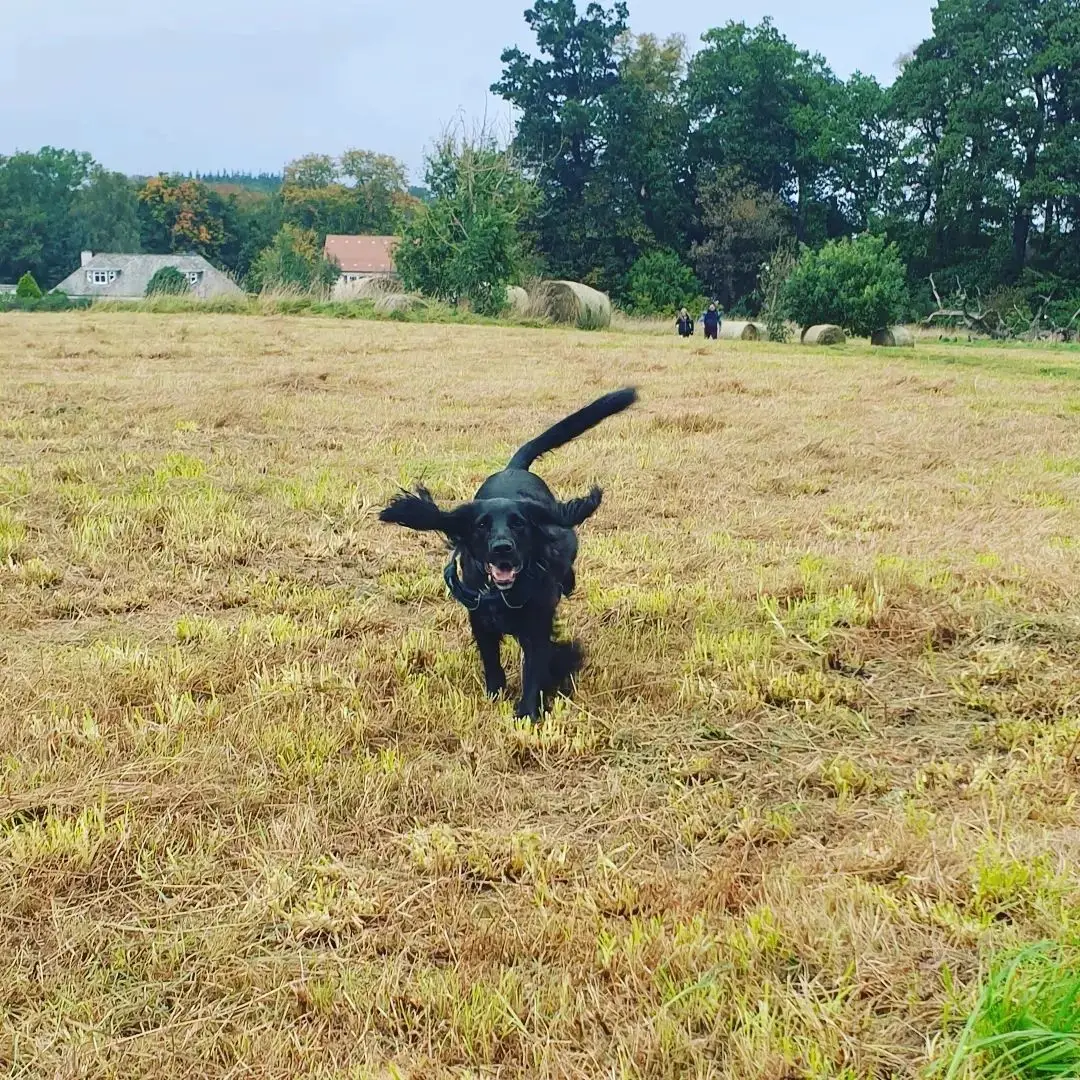

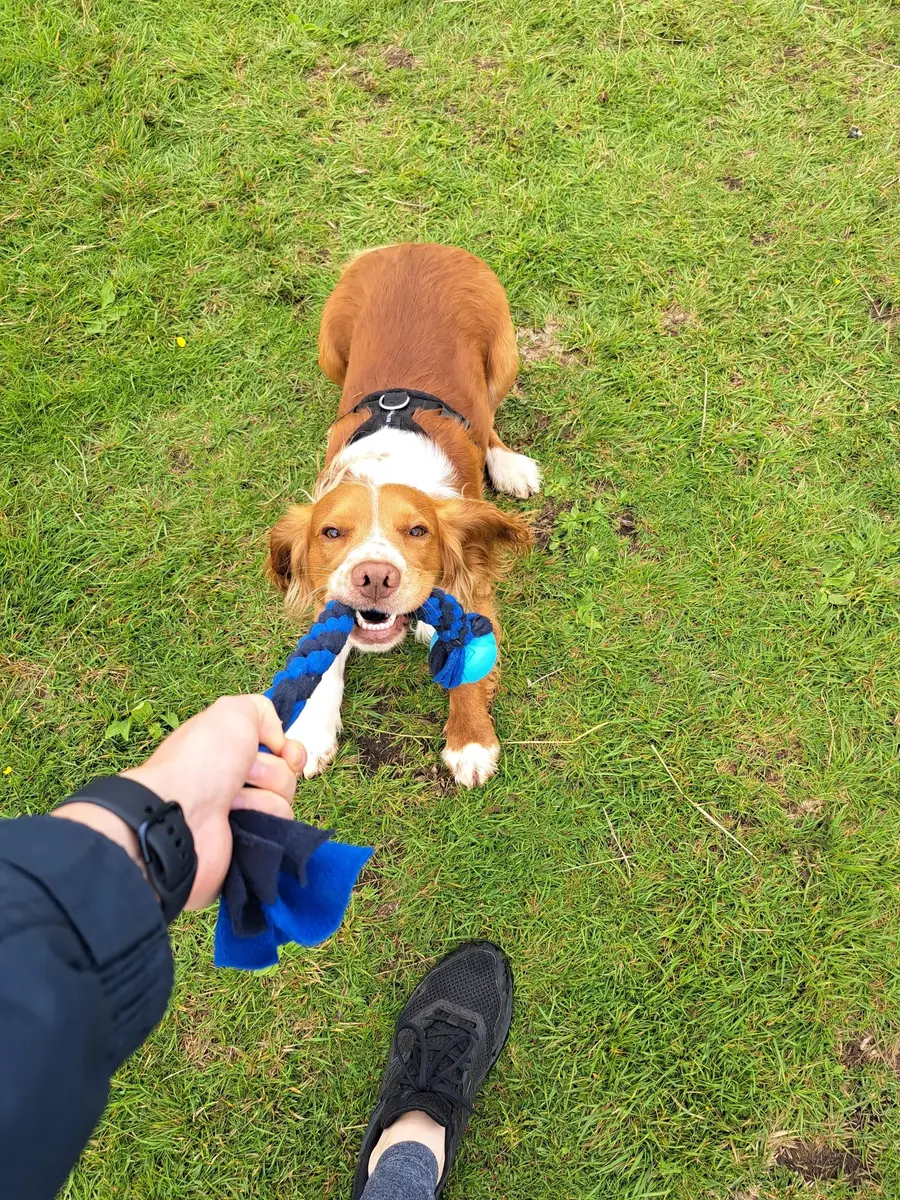
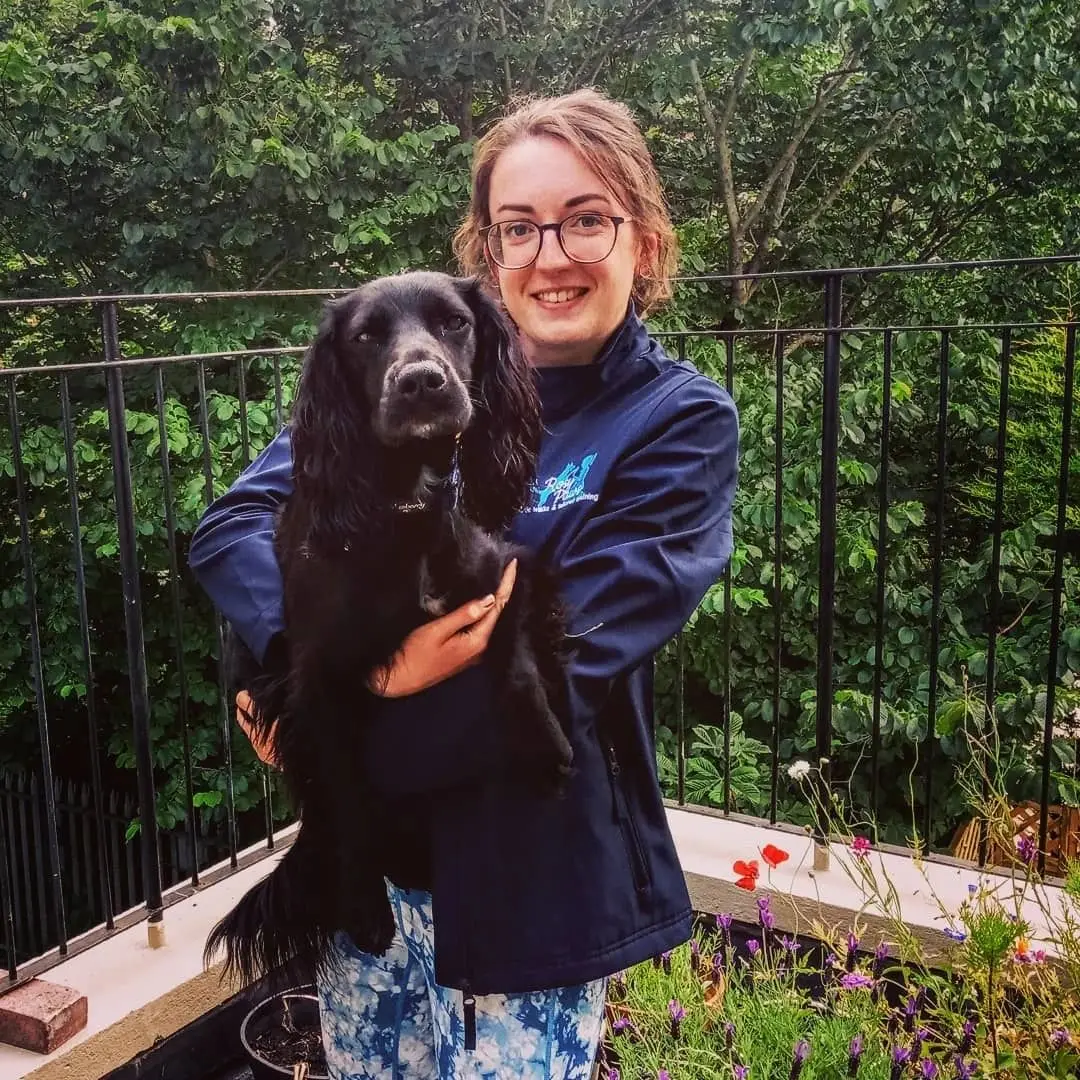
Hastings is a great dog- he comes back when called, walks beautifully on the lead, interacts appropriately with other dogs, relaxes at home- however he has started barking at noises he hears when he’s at home.
This month I have been busy training him so he won’t bark at random noises. Here is how I have been doing it…
Step 1: Identify the Triggers
In order to change a behaviour, I need to know as much as possible about what’s causing it.
So, I made a list of everything Hastings barked at. I also included the time of day, the intensity of his barking and how long he barked for.
Here are some of the main things Hastings barks at:
- Car doors slamming closed
- Someone knocking at the door
- Other dogs barking
- Someone banging something upstairs
- Sudden banging noises
Now I know what he is barking at, I can make a management plan…

Step 2: Management
Management is always the first step when changing a behaviour. This comes before training!
Management is setting up the environment so Hastings is less likely to bark in the first place.
We implement management techniques for ourselves all the time without thinking about it! For example, I have been trying to eat less sugar so have been buying less sweet things. Because there are less sweet treats in the house, I would need to go to the shop to buy them, so I have been eating less sugar as a result.
For managing Hastings’ barking, the most obvious and easiest thing I could change was people knocking at the door. So, we got a new doorbell which sends an alert to our phone instead of making a noise Hastings could hear. Hastings no longer barks at people knocking at the door because no one knocks any more!
There are other options rather than buying a new doorbell. We could have put a sign on our door saying ‘dog in training, please text me instead of knocking’.
This small change has even resulted in a change in his barking more generally. He barks less at banging noises in the house and he is more relaxed at home.
I was amazed at how this small tweak made such a big difference to his mood as well as his behaviour.

Step 3: Structured Training
Rather than focusing on what I don’t want Hastings to do when he hears a noise (i.e. bark), I need to focus on what I do want him to do.
I have decided I want him to go and lie in his bed. So, I have been training this behaviour in artificial situations.
Throughout the day, I will knock on our wooden dining table, tell Hastings to go and lie in his bed, then reward him with a tasty treat.
Once we have practiced this enough, Hastings will do this behaviour with any knocking sound.

What Next?
Training is always an ongoing process- there is no such thing as a ‘completely trained’ dog.
So, we will continue working on Hastings’ behaviour. I will practice with more different noises. I will gradually phase out the treats. I will practice training him with the doorbell sound on (instead of just the notifications to my phone). Gradually the structured training will get more and more realistic and he won’t bark as much!
Every dog is different, so what worked for Hastings might not work for your dog. However, breaking down the behaviour into the three steps will help:
- Identify the Triggers
- Management
- Structured Training
Why I Don’t Use Anti-Bark Collars
Anti-bark collars are a form of punishment. Whenever the dog wearing them barks, they release an unpleasant smell or vibration.
They may stop your dog barking in the short term, however in the long term your dog will probably get used to them and you will need a higher and higher impact for them to be effective.
Also, if your dog is barking because they are anxious, an unpleasant smell or vibration on top of this feeling will only make them more anxious and probably make the behaviour worse in the long term.
Finally, you are not solving the problem. You are simply putting a plaster on it. Your dog is barking for a reason and without addressing the underlying motivations and emotions for the behaviour, they will express these in other (maybe even less desirable) ways.
Dogs bark to communicate so we need to know what they are trying to communicate before we can reduce their barking!
Would you like help with your dog’s barking?
Send me a message via my website:
References
Blue Cross: How to stop your dog barking | Blue Cross
Dogs Trust: How To Stop Your Dog Barking | Dog Training | Dogs Trust
Hiby, E.F., Rooney, N.J. and Bradshaw, J.W.S. 2004. ‘Dog Training Methods: their use, effectiveness and interaction with behaviour and welfare’. Animal Welfare 13(1): 63-70.
McGreevy, P. ‘Ethology of barking- why do dogs bark’. Proceedings of the National Urban Animal Management Conference, Adelaide.