Top Tips to Help Stop Your Dog Barking
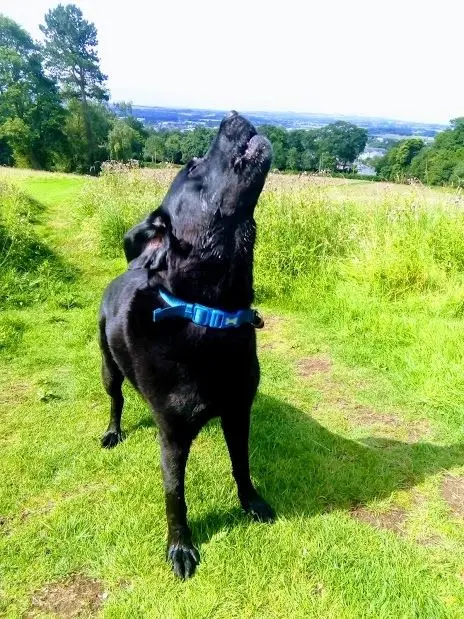
It is normal for dogs to bark- it is how they communicate. However, excessive barking can be problematic for us and for our dogs.
Barking is a very individual problem with no single solution. It is important to understand your dog as an individual when addressing excessive barking (McGreevy, 2004).
.
Here are some top tips for barky dogs:
1. Figure out why they are barking
The first step with any problem behaviour is to figure out why your dog is doing it (McGreevy, 2004). See my previous blog post on ‘why is my dog barking?’ for more info.
2. Don’t say ‘no’ when they are barking
I often hear people saying ‘no’ or ‘quiet’ or ‘stop’ to their dogs when they are barking. However, this is often only reinforcing the behaviour! Most dogs don’t understand what these words mean and see it as encouragement (McGreevy, 2004). If your tone of voice is angry, they might even see it as you joining in with them. You may also be making them more anxious so more likely to bark as a result.
You can teach your dog the command ‘quiet’ but this takes work.
3. Offer incompatible behaviours
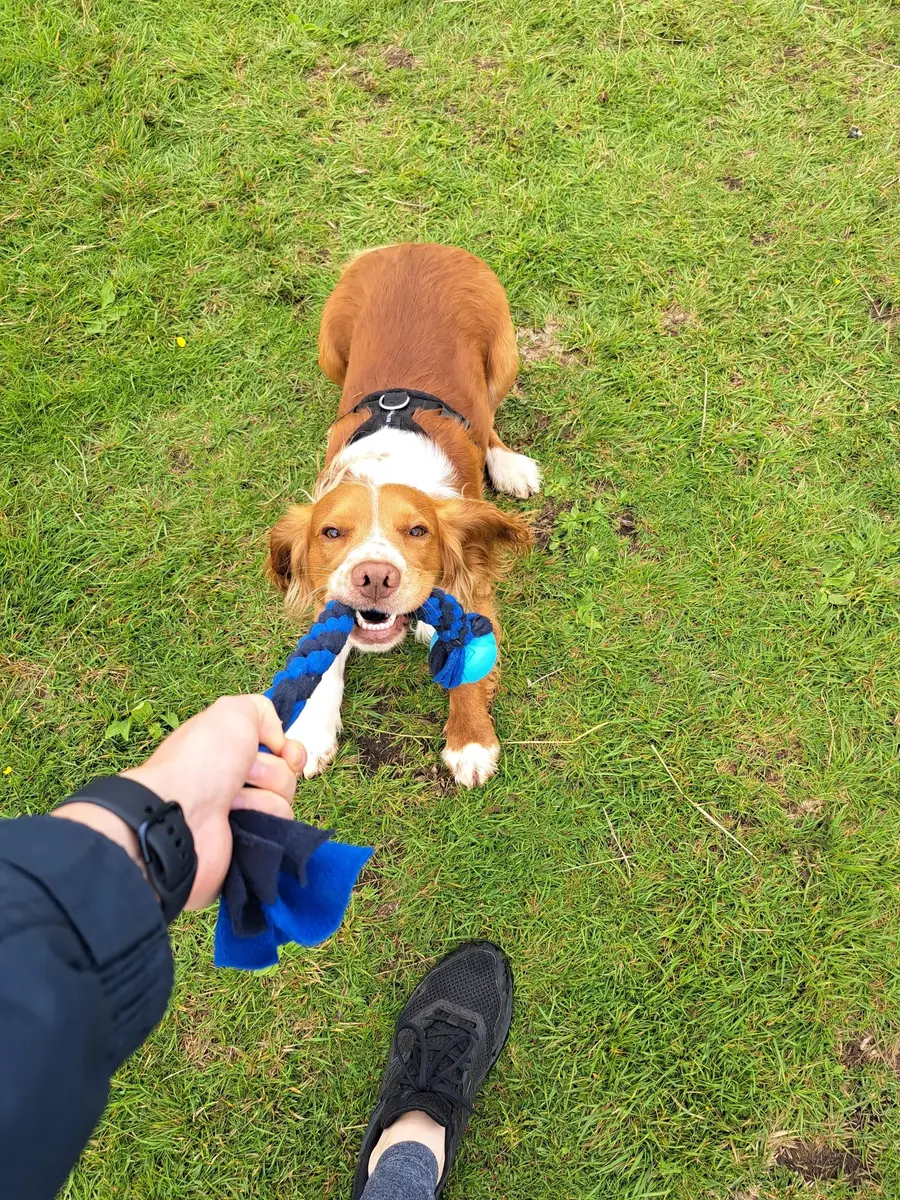
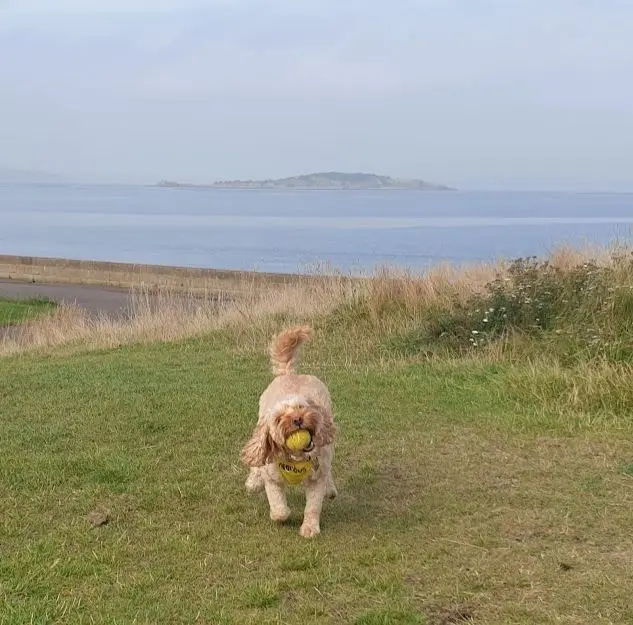
Think about what behaviours you can offer your dog which make it more difficult for them to bark (Bompadre and Cinotti, 2011). For example, if your dog is sniffing for treats you have scattered on the floor, they are unable to bark at the same time. Or if your dog is holding a toy, they can’t bark.
4. Train your dog to do something else
Rather than focusing on what we don’t want our dogs to do (bark), instead think of something you would like them to do instead (Brucks et al., 2017). For example, if you don’t want your dog barking at the doorbell, train them to go to their bed when the doorbell rings. Or if you don’t want your dog to bark at other dogs, train them to look at you instead.
5. Desensitisation
Desensitisation is a way to gradually acclimatise your dog to noises they usually react to (Jones, 2003).
For example, if your dog barks at the doorbell record the sound of the bell on your phone and play it on a very low volume. Reward them for not reacting. You can then very gradually, over several days, increase the volume of the sound, continuing to reward them for not barking.
6. Reward them for not barking
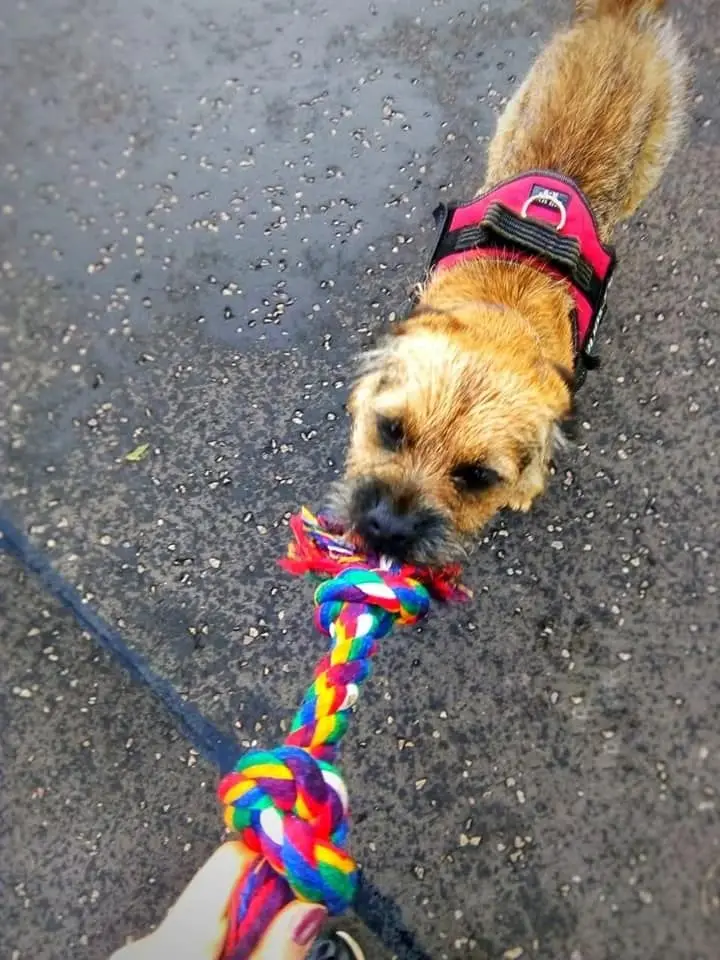
We often forget to reward our dogs for not barking! This is so important because the more often a behaviour is rewarded, the more likely that behaviour will be repeated in the future (Arhant et al., 2010). Always remember to reward the behaviour you want more of!
Conclusion
These are general tips for helping dogs who bark excessively. Every dog is different so take the time to understand why your dog is barking first. Once you know the why, you can then start to figure out ways to change their behaviour.
References
Arhant, C., Bubna-Littitz, H., Bartels, A., Futschik, A. and Troxler, J. 2010. ‘Behaviour of smaller and larger dogs: Effects of training methods, inconsistency of owner behaviour and level of engagement in activities with the dog’. Applied Animal Behaviour Science 123(3-4): 131-142.
Bompadre, G. and Cinotti, S., 2011. Managing behavioural problems in human-dog interactions. Annali dell’Istituto superiore di sanità, 47, pp.378-383.
Brucks, D., Soliani, M., Range, F. and Marshall-Pescini, S., 2017. Reward type and behavioural patterns predict dogs’ success in a delay of gratification paradigm. Scientific reports, 7(1), pp.1-10.
Jones, A. 2003. ‘Learning Theory Made Simple’ Veterinary Technician 24(3): 146-152.
McGreevy, P. 2004. ‘Ethology of barking- why do dogs bark?’ Proceedings of the National Urban Animal Management Conference pp.9-10. Adelaide.