Teaching dogs Skills Vs. Commands
Usually when we think of dog training, we think of teaching our dogs commands like sit, stay and come.
These are definitely useful things for our dogs to know but we need to make sure we aren’t rely on these and also teach our dogs skills.
Difference Between Skills and Commands
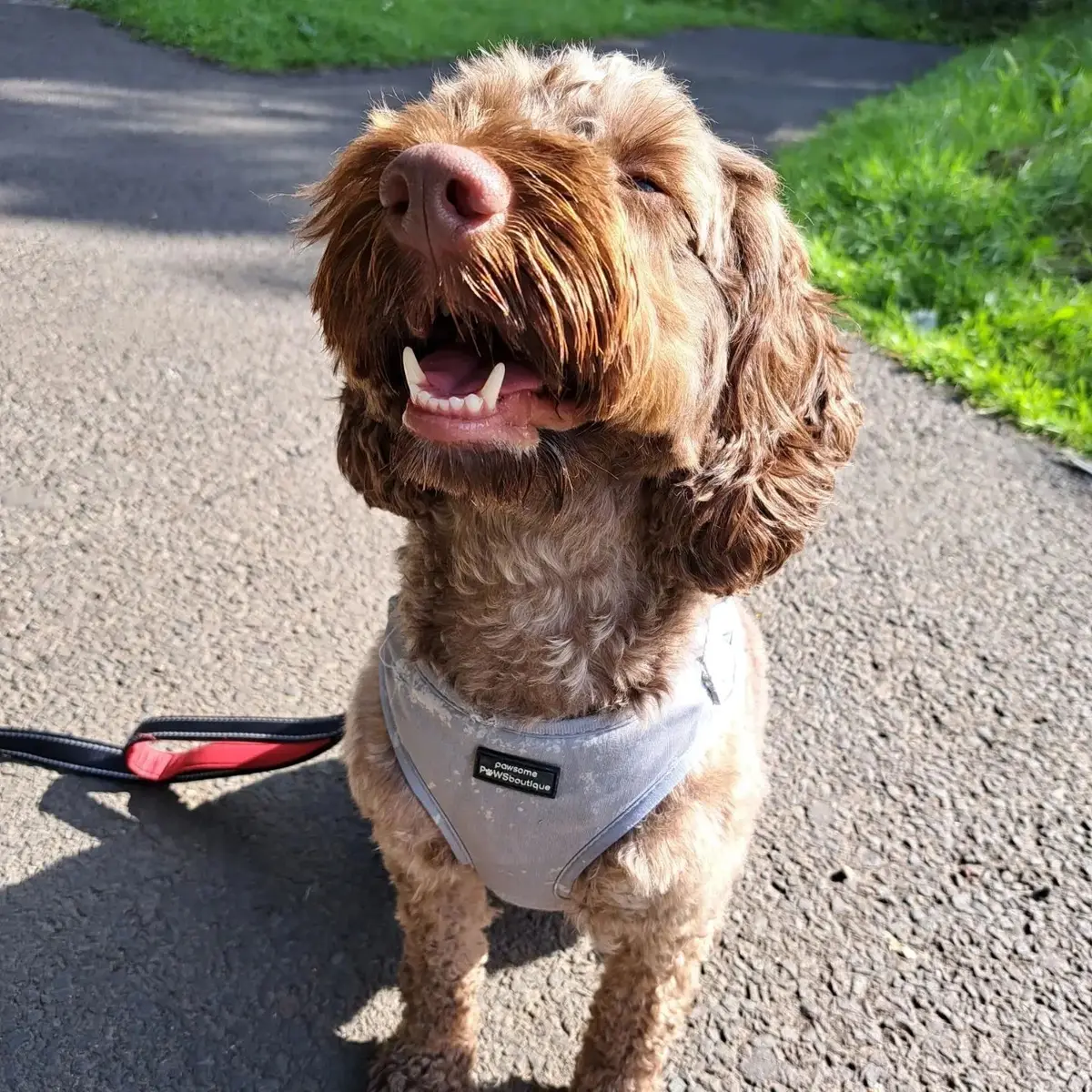
Commands are instructions- we need to always tell our dog to do them. For example, we tell our dog to sit before crossing a road. Or we tell our dog to come back to us in the park.
The limitation of this is that it puts a lot of pressure on us to always tell our dogs what to do. And it also means our dogs are less able to think for themselves and make their own good decisions.
Skills are about teaching our dogs to think for themselves, regulate their own emotions, do more automatic behaviours and take the pressure off of ourselves to be constantly telling them what to do in each situation.
Key Skills To Teach Your Dog
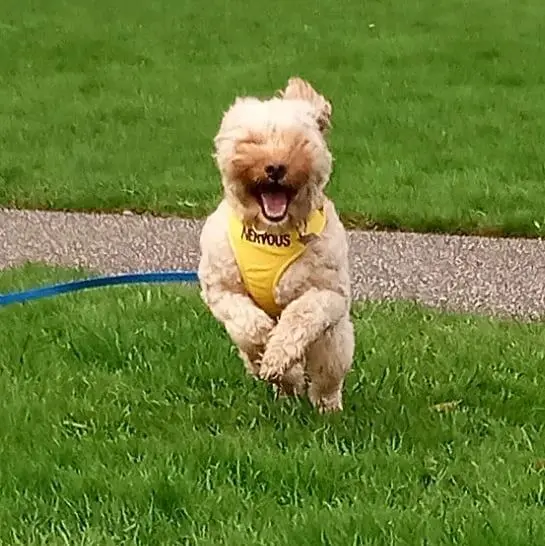
Emotional regulation- teach our dog how to manage their own emotions.
- Our dogs are going to feel things, but we need to make sure they are able to manage their big feelings and self-soothe.
- Practise games that increase their arousal a little bit but then help them calm down by encouraging licking, sniffing and chewing.
- See my last blog post for more about emotional regulation in dogs.
Automatic Behaviours- teach your dog to do things automatically without you always telling them what to do
- Often we fall into the trap of micro-managing our dogs. When they are young, we need to do this but as they get older we need to get them doing things more automatically.
- Automatic behaviours don’t just make our lives easier, it also improves our dogs’ confidence and autonomy.
- If you always ask your dog to sit before crossing a road, next time you reach the kerb see what happens if you don’t tell them what to do.
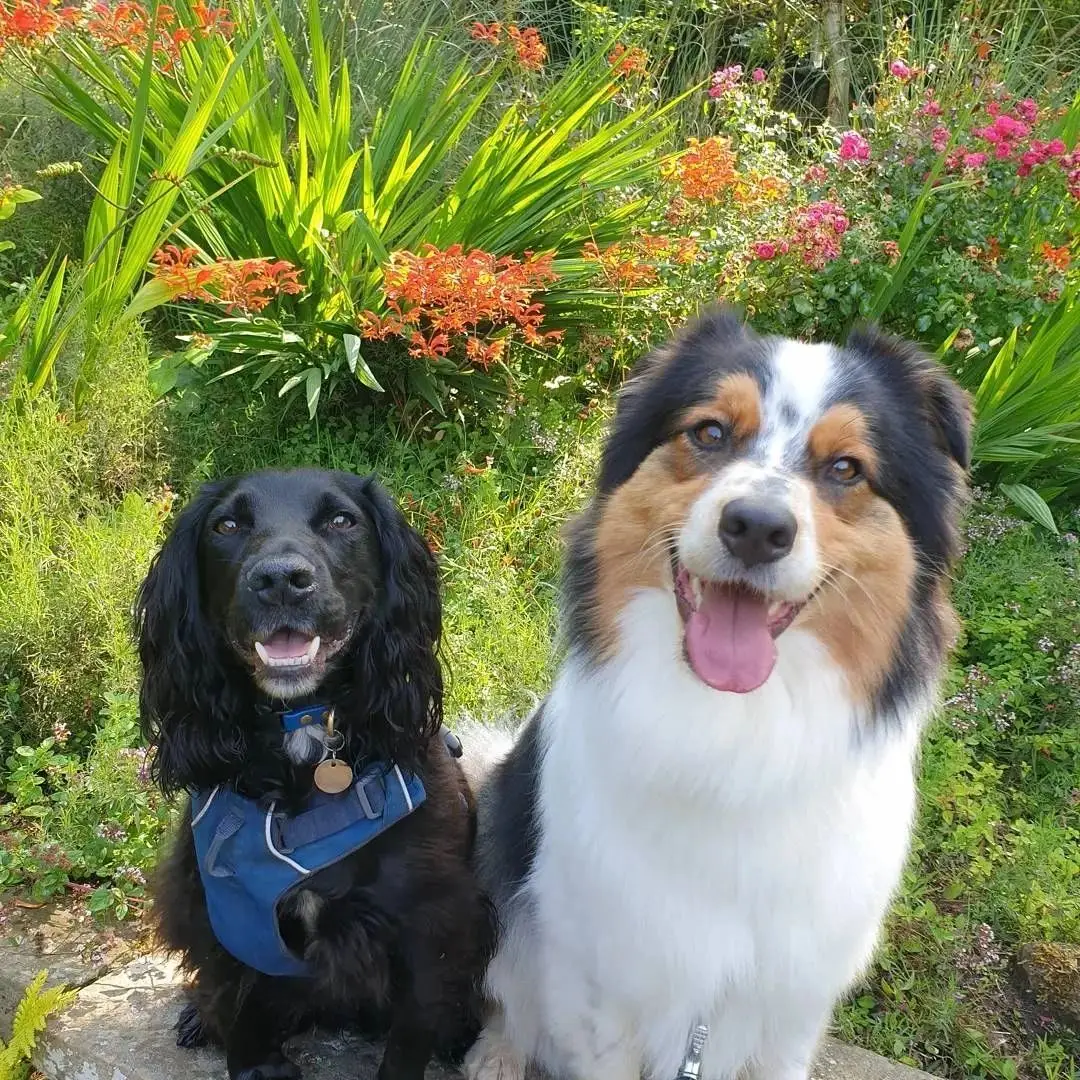
Social Skills- teach your dog to manage interactions with other dogs effectively
- As people, we aren’t going to like everyone we meet. Our dogs are the same when it comes to meeting other dogs. Instead of just expecting our dog to get along with other dogs, we need to help them navigate a range of social situations they will face.
- Match your dog well with play mates. If arranging a doggy play date with a friend, make sure both dogs have similar play styles.
- Get your dog used to being able to ignore other dogs. Don’t allow your dog to say hello to every dog they meet. Get them to do something fun with you instead of saying hi to every other dog.
- Step in and help out with dog-dog interactions when needed. If in doubt about an interaction your dog is having, remove them from the situation, give them a short break, then see if both dogs want to resume the interaction.
Dog Training is More than Commands
In this blog I’ve mentioned just some examples of teaching skills in addition to commands.
We need to move away from this focus on getting our dogs to obey us and doing obedience training, and instead focus on teaching our dogs skills so they know how to manage the world we have put them in.
Commands do have a place, but we need to use them in conjunction with life skills.
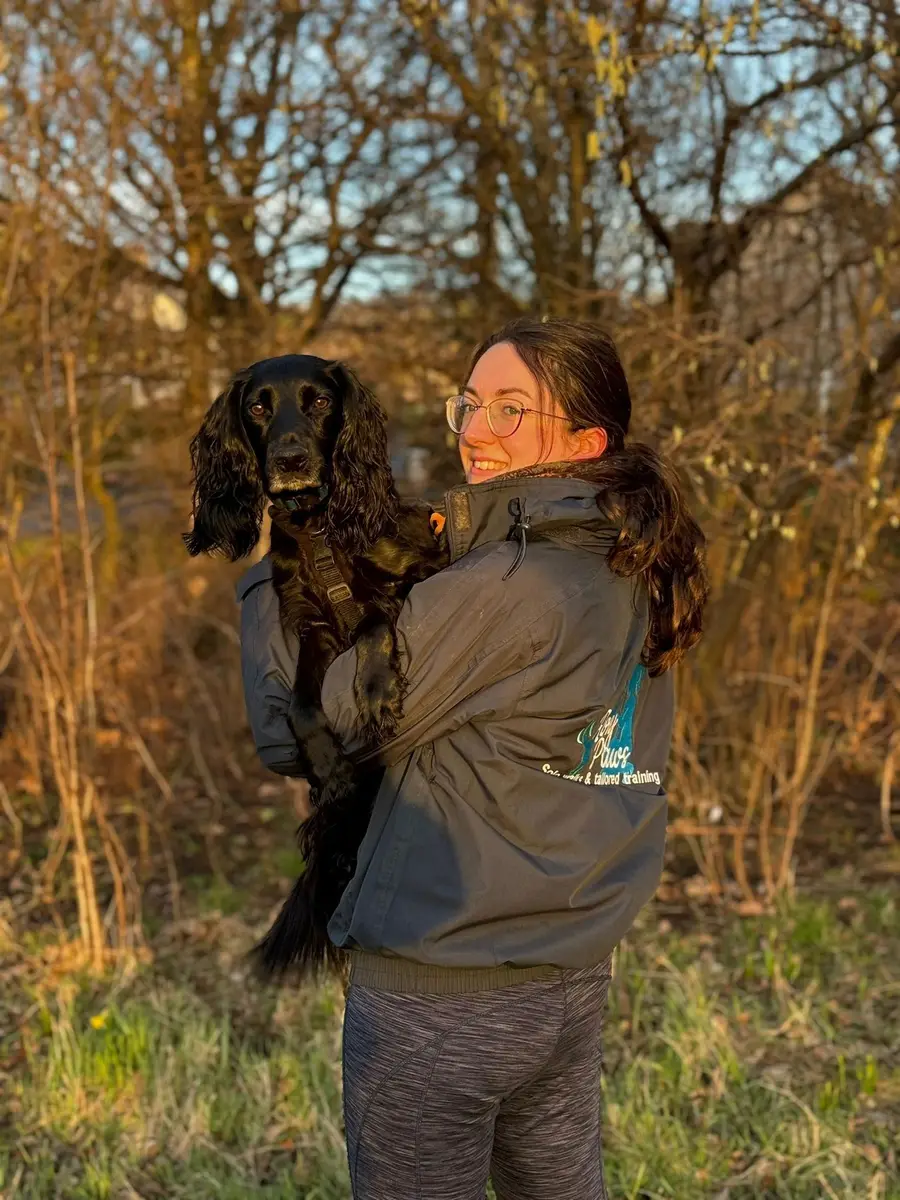
Looking for 1-2-1 Dog Training in Edinburgh?
I offer 1-2-1 tailored dog training at your location in Edinburgh.
I help teach you and your dog skills, not just commands, so you and your dog can enjoy your times together instead of worrying about their behaviour.