Setting Achievable Dog Training Goals
Often we set really high goals for our dogs (and ourselves!).
For example, we want our dog to come back every time we call them. Or we want them to walk nicely on the lead all the time. Or we want them to stop barking at the front door.
However, this is setting things up to be difficult…
Dog training takes time so by setting these high goals, we often lose motivation when we don’t see progress.
It’s useful to have these end goals, but it is even more useful to set small achievable goals along the way.
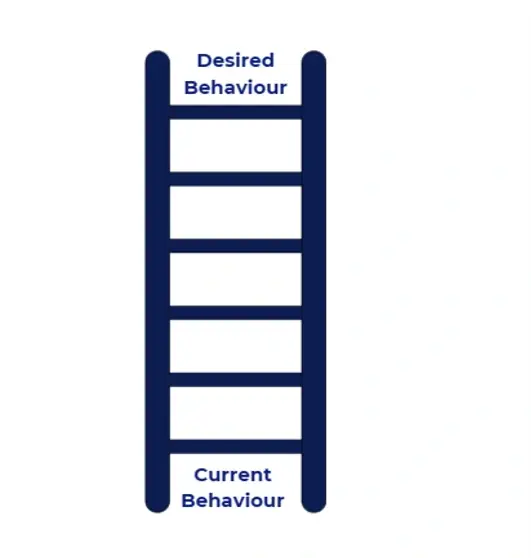
I like to picture a ladder.
Your dog’s current behaviour is at the bottom of the ladder (e.g. doesn’t come back when called in the park) and your dog’s desired behaviour is at the top (e.g. comes back every time when called).
How do we get from the bottom to the top? Set lots of little goals along the steps!
So your first achievable goal might be for your dog to come back to you when you call them at home.
Or it might be walking nicely on the lead in the garden.
Break your big goal down into much smaller manageable chunks.
Then you get to tick it off as you achieve them and you can see your progress!
It also means if you get stuck along the way, you have a better idea of where things aren’t working and where you need to tweak.
What are your next achievable goals for your dog?

Need some help?
Get in touch and I’d be happy to help you reach your dog training goals!
References
American Kennel Club: New Year Dog Training Goals & Organization Ideas for 2023 – American Kennel Club (akc.org)
Mind Tools, Setting SMART Goals: MindTools | Home