Separation Anxiety: What is it and how do I prevent it?
What is Separation Anxiety?
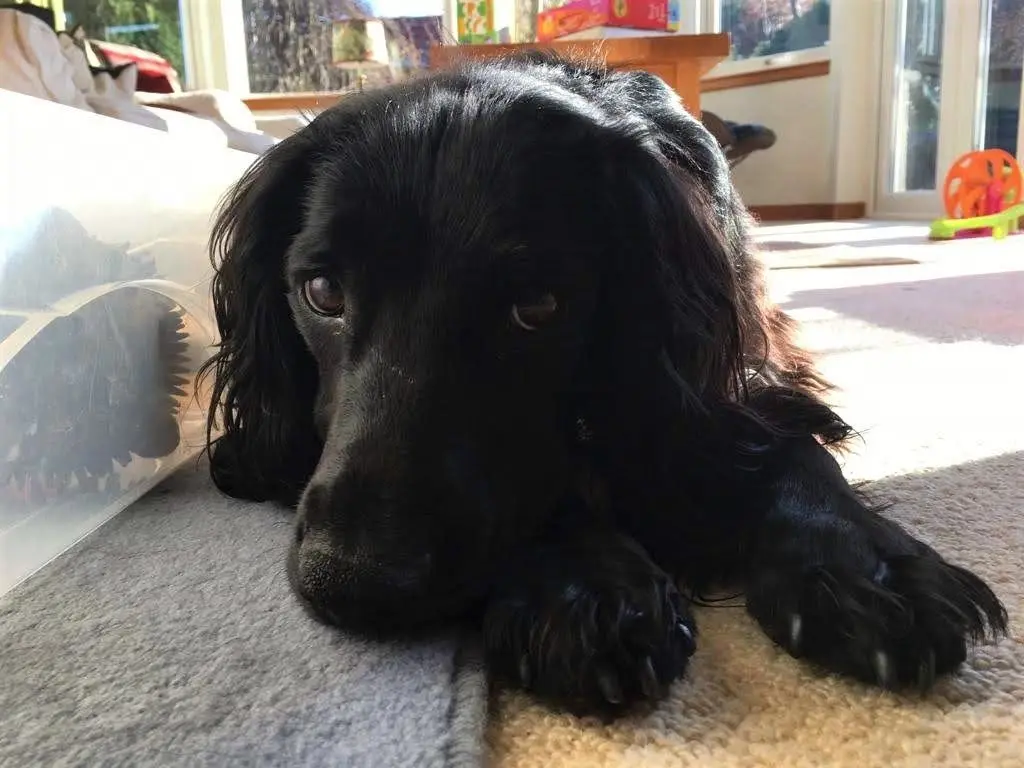
Separation anxiety is when a dog becomes very stressed whenever their owner’s leave them on their own (Storengen et al., 2014). This can include barking, howling, destructive behaviour, restlessness, toileting indoors and attempting to escape (Horwitz, 2009).
Puppies are most susceptible to separation anxiety because they are not used to being on their own. Since their birth, they are with their mother and littermates (Shwartz, 2003). It is perfectly normal for puppies to express some signs of stress when they are taken from their litter. However, they must learn to make attachments to their new owners instead (ibid, 2003). Then, in their new home, they must get used to being left alone.
It is important that your puppy gets used to being left alone from an early age, so they are able to adapt and cope with it (Shwartz, 2003). Separation anxiety is difficult to correct once it happens (Herron et al., 2013) but it is fairly simple to prevent!
So How can I Prevent It!?
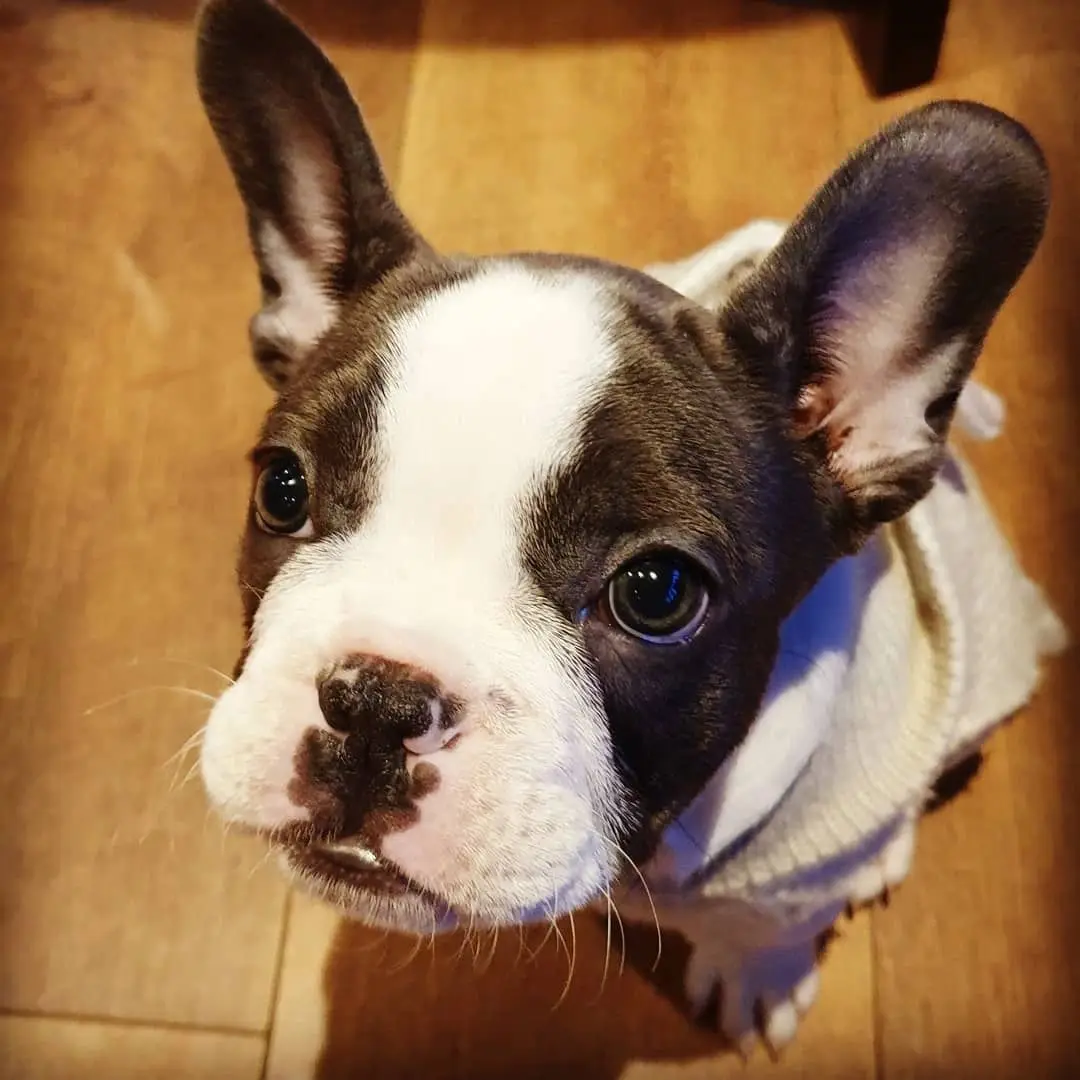
The most important thing is that your puppy should get used to being left alone from an early age (Shwartz, 2003).
You should start by ‘flitting’ (Judson, 2019). This entails leaving your puppy alone in a room for a very short time and gradually building it up. If your puppy shows any signs of distress, then the time they are alone is too long and should be reduced. Your dog training should always be at a level your puppy is able to cope with (Gutteridge, 2019; Tami and Gallagher, 2009). Once your puppy is used to you flitting in and out of a room, you can build it up so that you flit in and out of the house (Sargisson, 2014). When your puppy is comfortable with this, the time you leave your puppy for can be extended for up to 2 hours.
Leave a kong or toy with your puppy when you leave so that they have something to occupy themselves with and are not focused on your departure (Judson, 2019).
NEVER punish your dog when you return home, even if your dog has done an undesirable behaviour such as toileting inside. Punishing your dog will only make them more anxious as they wait for your return and punishment associated with it (Sargisson, 2014).
Separation Anxiety and Lockdown
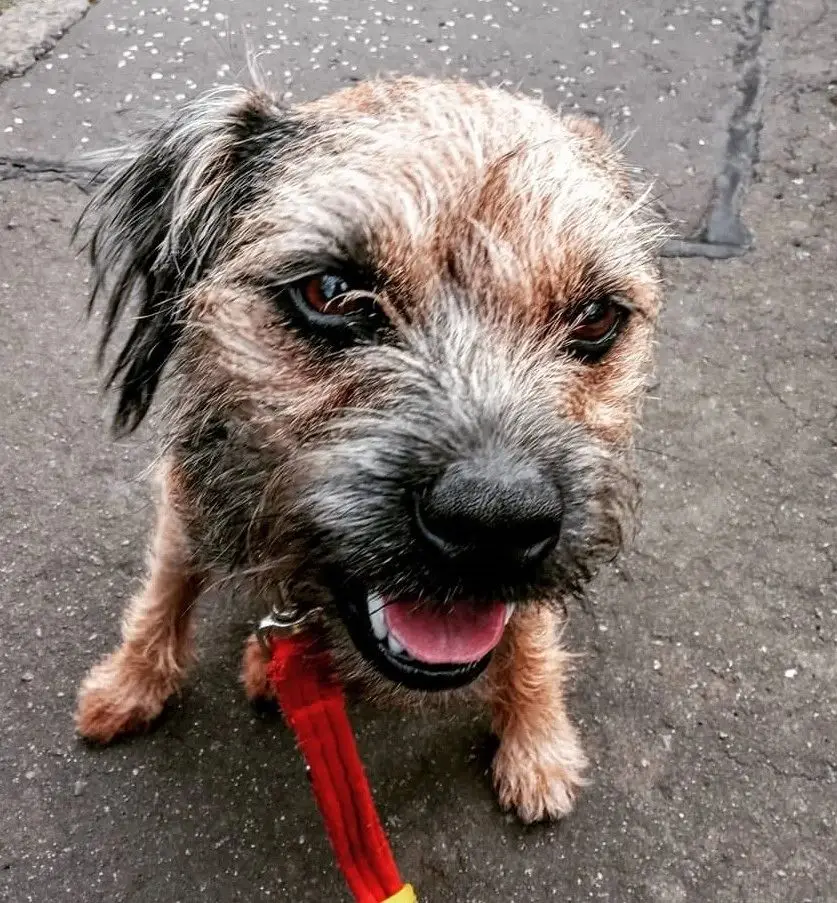
Due to Coronavirus, we are all spending more time at home than usual. However, it is crucial that we prepare our dogs for what life will be like when things return to normal. Practice the flitting game with your dog and remember to take things at their pace.
Things will return to normal eventually so we need to prepare our dogs for this!
References
Gutteridge, S. 2019. Canine Communication: The Language of a Species.
Herron, M.E., Lord, L.K. and Husseini, S.E. 2014. ‘Effects of preadoption counselling on the prevention of separation anxiety in newly adopted shelter dogs’. Journal of Veterinary Behaviour 9(1): 13-21.
Horwitz, D.F. 2009. ‘Separation-related problems in dogs and cats’ in BSAVA Manual of Canine and Feline Behavioural Medicine (pp. 146-158). BSAVA Library.
Judson, E. 2019. ‘Training Tips: The Flitting Game’. Pet Professional Guild. Available at: https://issuu.com/petprofessionalguild/docs/bftg_sept_2019_online_edition_final_opt/32
Sargisson, R.J. 2014. ‘Canine separation anxiety: strategies for treatment and management’. Veterinary Medicine: Research and Reports 5: 143-151.
Schwartz, S. 2003. ‘Separation anxiety syndrome in dogs and cats’. Journal of the American Veterinary Medical Association 222(11): 1526-1532.
Storengen, L.M., Boge, S.C.K., Strom, S.J., Loberg, G. and Lingaas, F. 2014. ‘A descriptive study of 215 dogs diagnosed with separation anxiety’. Applied Animal Behaviour Science 159: 82-89.
Tami, G. and Gallgher, A. 2009. ‘Description of the behaviour of domestic dog by experienced and inexperienced people’. Applied Animal Behaviour Science 120(3-4): 159-169.