Puppy Socialisation


What is socialisation?
Socialisation is a critical part of puppy development.
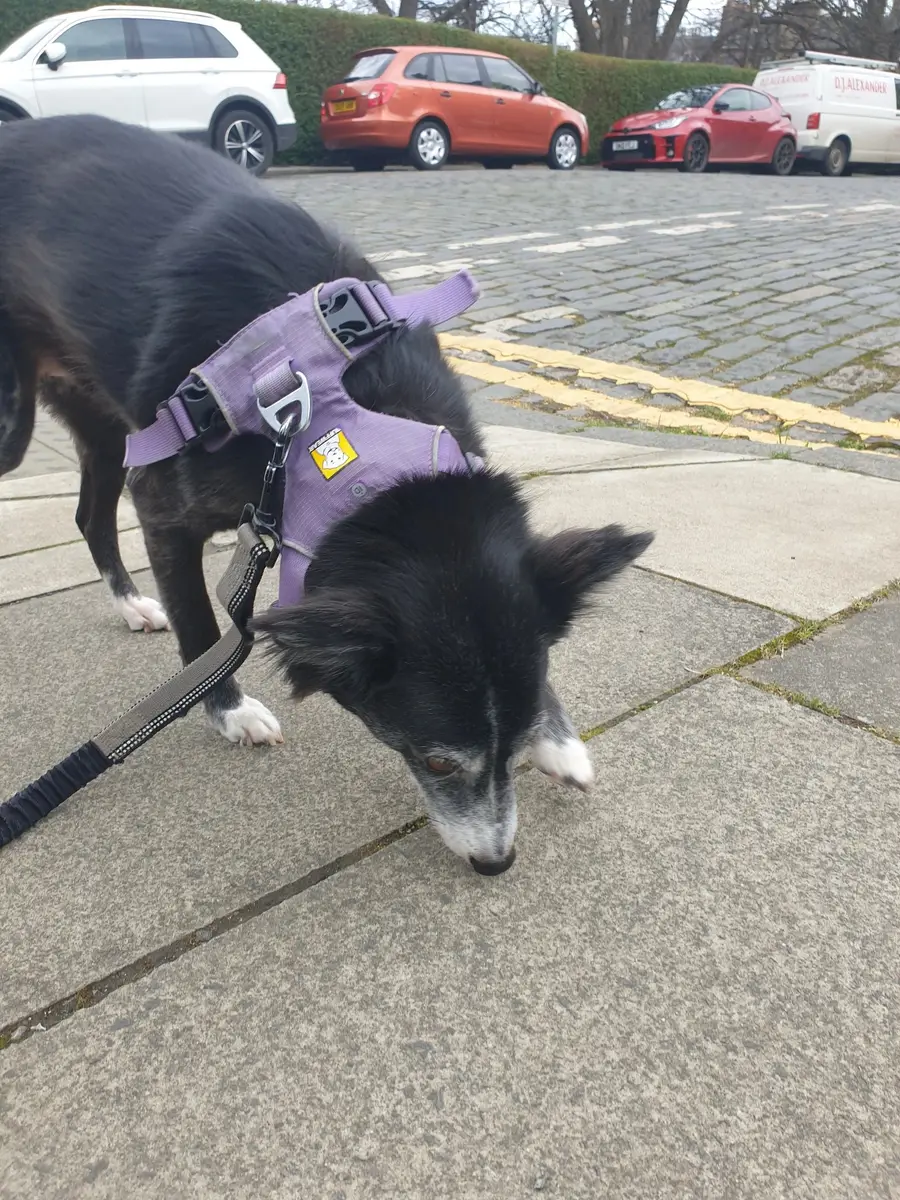
Socialisation means getting your puppy used to ALL the sights, sounds and things they will experience as an adult dog (Ackerman, 2010). It is so much more than just getting your puppy used to other dogs. It is also about getting your puppy used to traffic, children, different floorings, stairs, bicycles, other animals, bin lorries, aeroplanes, travelling in the car, the hoover…
Think about what you would like your puppy to be able to do when they are an adult dog and create a checklist with this in mind. For example, do you want your dog to come on holidays in the car with you? Do you want them to sit in pubs with you? Do you want to be able to take them on the bus?
When should I socialise my puppy?
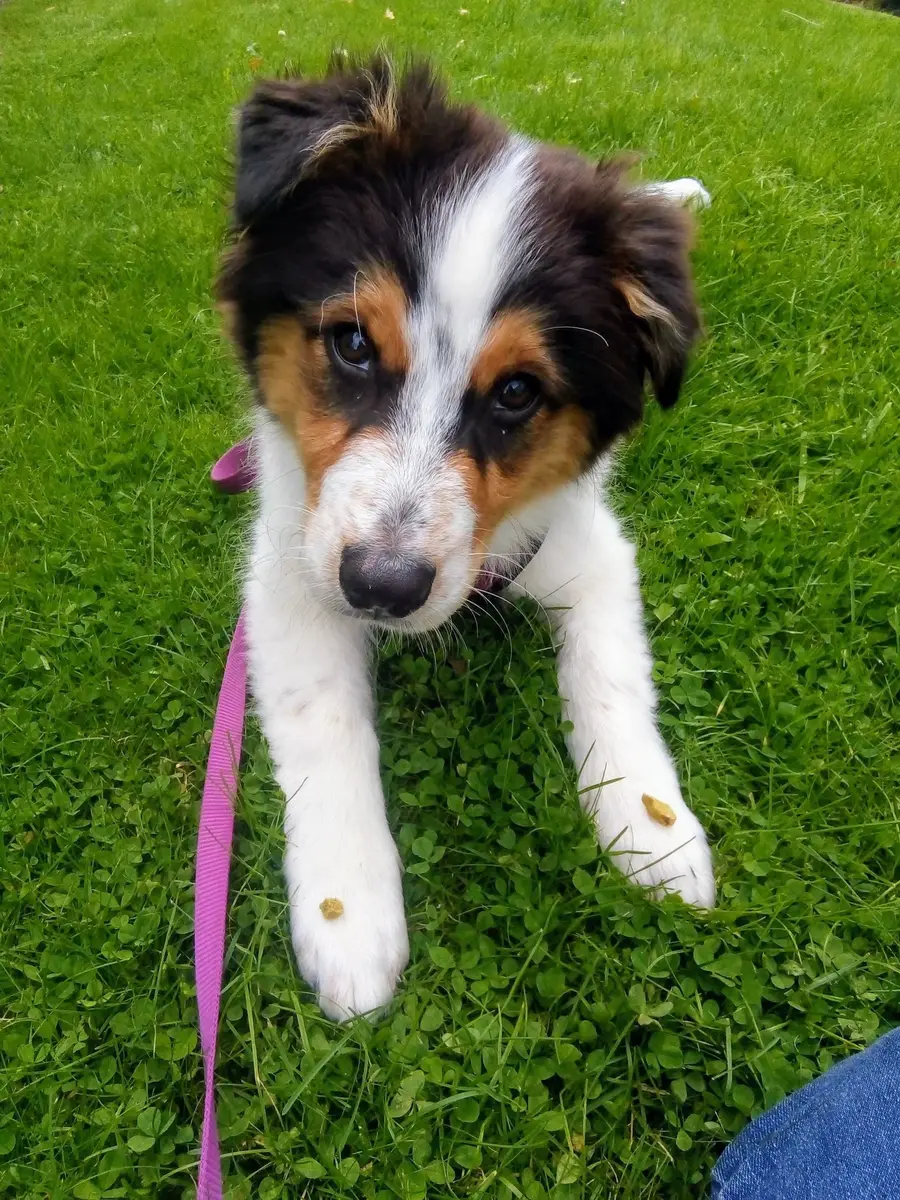
The key socialisation period is between approximately 3 – 14 weeks of age. A good breeder will already have begun socialisation before you collect your puppy (Howell et al., 2015). Then, you can continue getting your puppy used to all these new experiences.
If your puppy has not had all their vaccinations yet, you can still socialise them! Get them used to all the things in the house (hoover, stairs, washing machine, etc.) and carry them around outside for short periods.
After 14 weeks, your puppy will start to move from the curiosity stage to the fear stage (Ackerman, 2010). Instead of approaching new things with interest, puppies become wary and fearful of new things. That is why the socialisation period is so critical.
Puppies who are under-socialised often struggle around new things or get stressed more easily. Puppies who are properly socialised tend to grow into confident, happy dogs who approach new experiences with interest rather than fear (Kutsumi et al., 2012).

So how do I socialise my puppy?
Socialisation should be done in a positive, gradual way so as not to overwhelm your puppy (Kutsumi et al., 2012). Try to tick off just a few things off your checklist each day. Reward your puppy for showing calm behaviour or interest in the experience. If your puppy seems at all scared, increase the distance between them and the object. Encourage them to investigate but never force them.
For example, if your puppy sees a traffic cone on the pavement and doesn’t want to approach it, take your time. Reassure them and reward them for even looking at the cone. Gradually, they will realise there is nothing to fear and will be more willing to investigate for themselves. The key is to let them take things at their own pace.
Need help? Feel free to get in touch and I can help you make a socialisation checklist for your puppy. It is the most crucial part of puppy training and has a massive impact on the rest of your puppy’s (and your own!) life.
References
Ackerman, N. 2010. ‘A practical approach to puppy socialisation’. Veterinary Nursing Journal 25(7): 37-39.
Howell, T.J., King, T., and Bennett, P.C. 2015. ‘Puppy parties and beyond: the role of early age socialisation practices on adult dog behaviour’. Veterinary Medicine Research and Reports 6: 143.
Kutsumi, A., Nagasawa, M., Ohta, M. and Ohtani, N. 2012. ‘Importance of Puppy Training for Future Behaviour of the Dog’. Journal of Veterinary Medical Science 75(2): 141-149.