Managing Your Dog’s Frustration
Frustration is a really common emotion for dogs and can manifest in lots of different ways. It’s okay for our dogs to feel frustrated, but we need to make sure we teach them how to manage this emotion without becoming stressed or tipping into serious behaviour issues, such as reactivity.
What is Frustration in Dogs?
Dogs can become frustrated when they don’t get what they want, when they expect to get it.
For example:
- Your dog might jump up at you if you ignore them when they were expecting to get your attention.
- Or they might whine at you if you take too long getting them a treat out of a packet.
- Or they might bark at another dog they can see but not access.
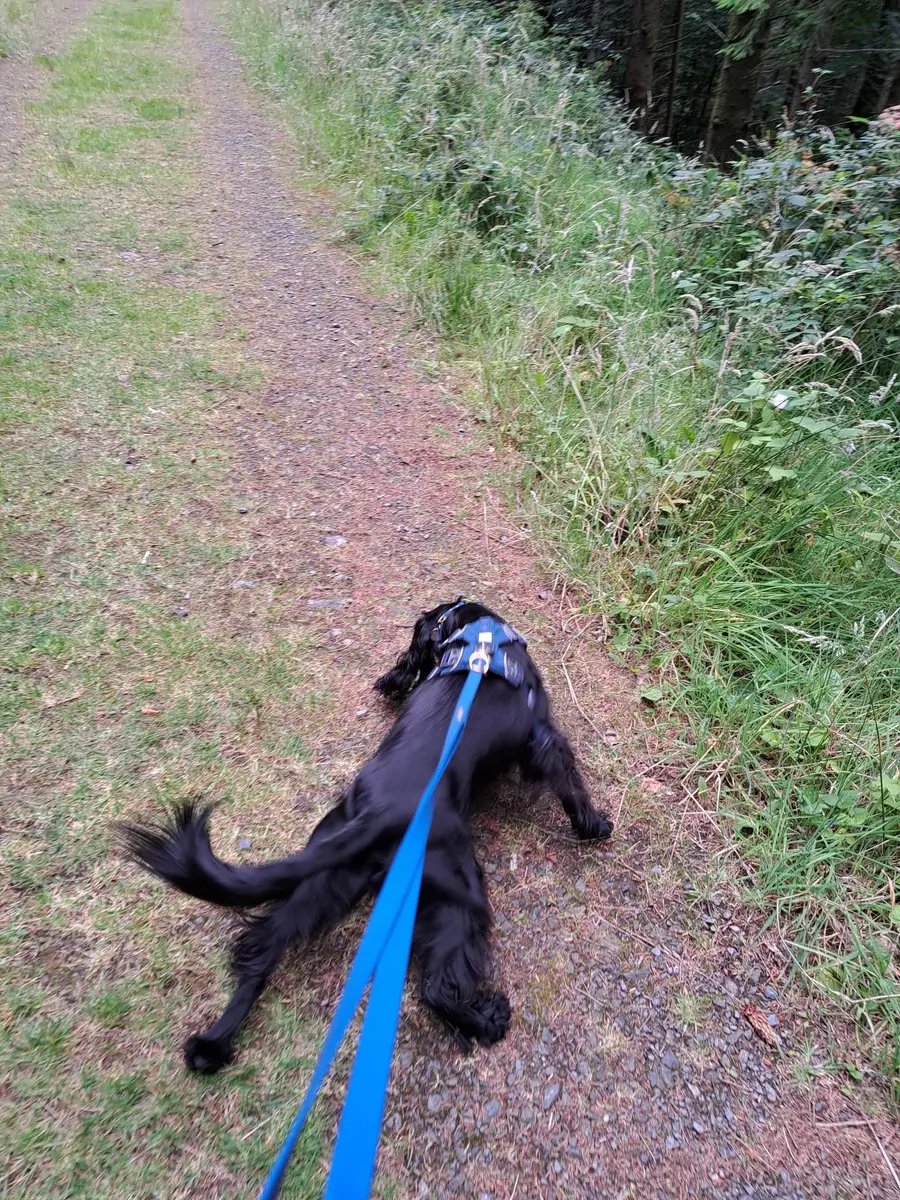
- Or your dog might pull to get to the park.
Take a moment to think about how your dog shows frustration and when this happens.
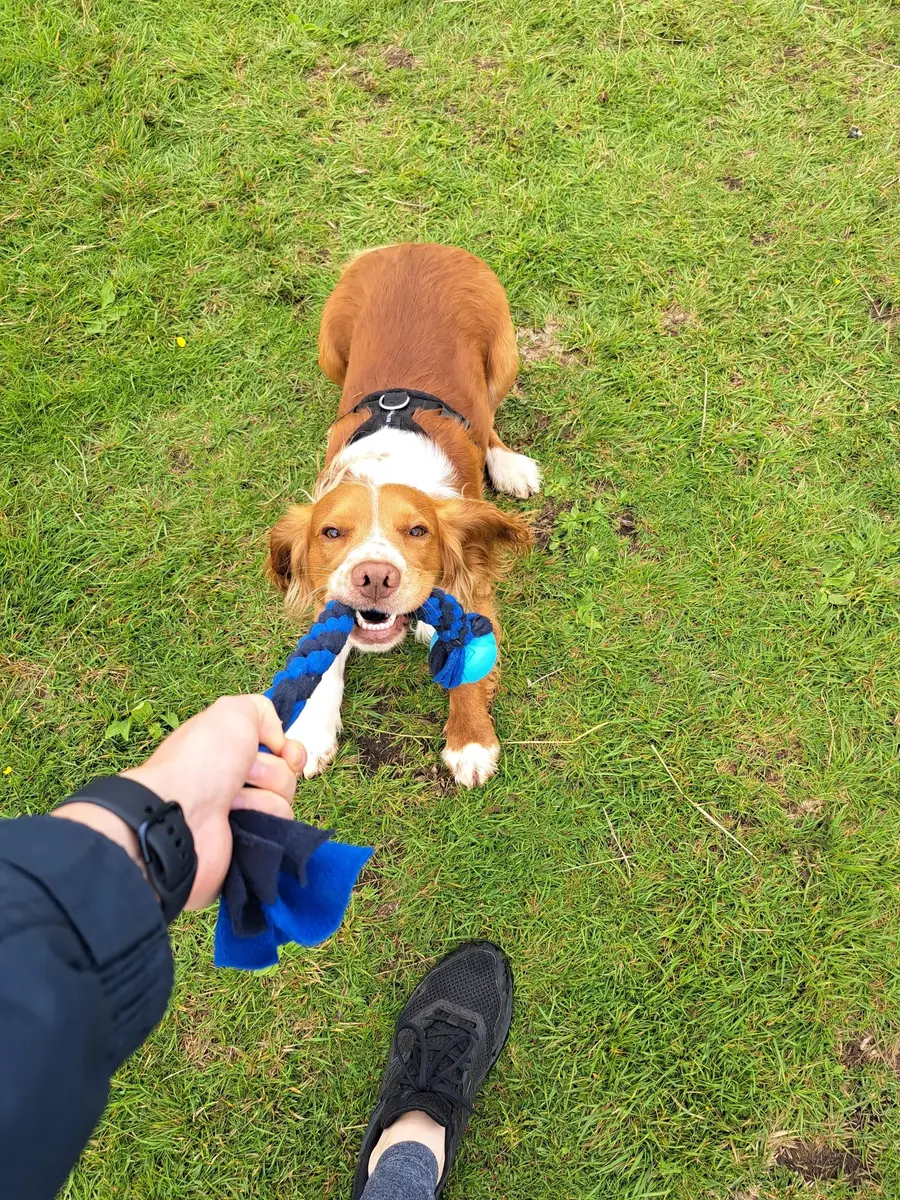
For example, my dog gets frustrated when I ask him to do a cue for too long (e.g. hand touch) and he barks in my face! Or if I get the treats out to do some training, but don’t start the games immediately.
Preventing Frustration
It’s important to try to prevent your dog from feeling too frustrated as this can lead to stress and performance of undesirable behaviours (such as barking or jumping up).
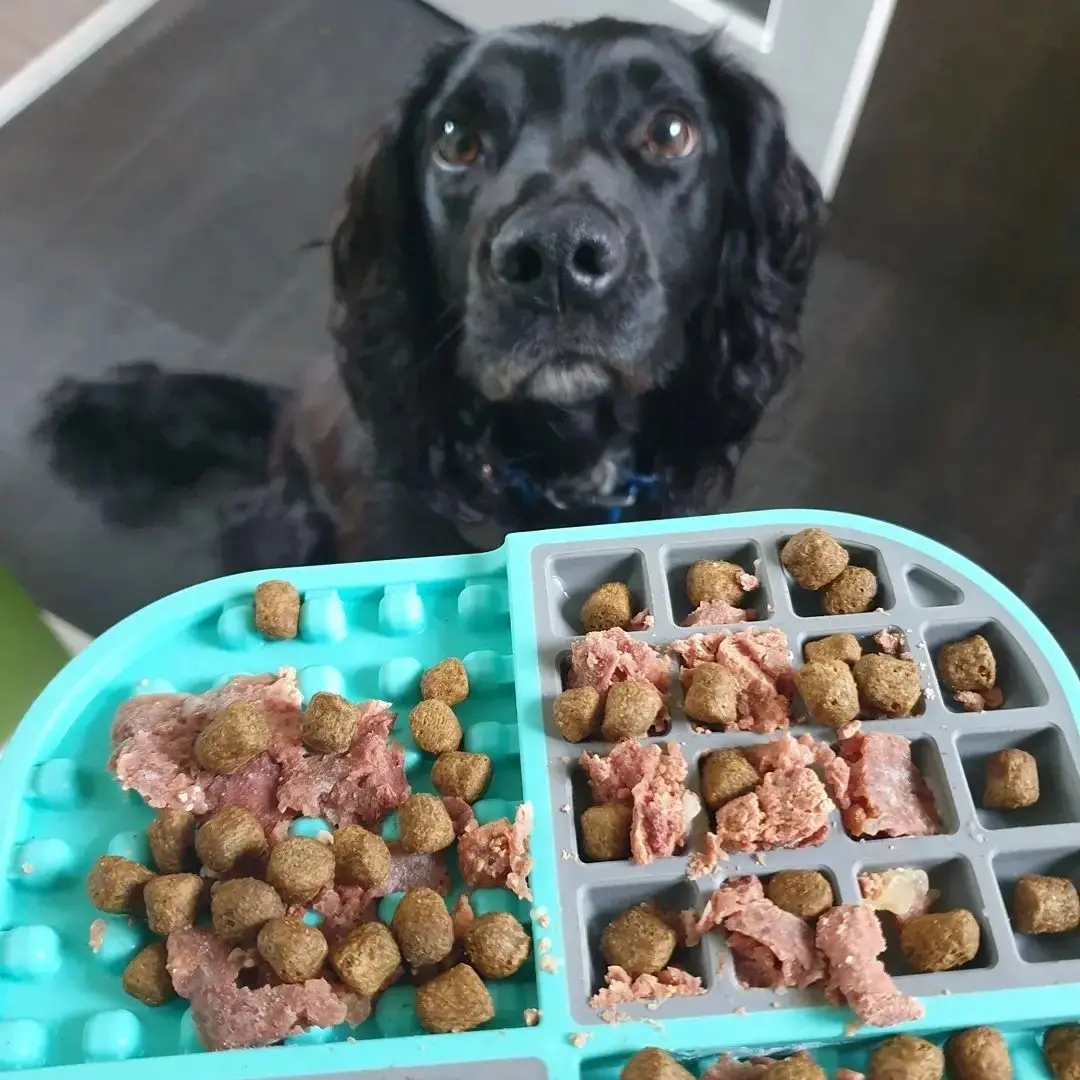
Plan ahead to help your dog manage their frustration. For example, if your dog barks at you while you’re preparing their dinner you can give them a different activity to do while you are preparing it- e.g. lickimat, snuffle mat, Kong, puzzle toy.
Teaching Your Dog to Manage Frustration
We don’t want to constantly be preventing frustration otherwise our dogs will never learn how to manage this emotion. Our dogs are going to get frustrated at times because they cannot always get what they want- that’s life! So it’s important they learn how to regulate their emotions.
When teaching your dog to manage frustration, make sure you are doing it at a level they can cope with. They might be a little frustrated, but not so frustrated they can’t even think anymore.
Make sure all their needs are met and they are in the right mood for this type of training. Keep the training short and sweet, and give your dog regular breaks.
Games to Teach Frustration Management
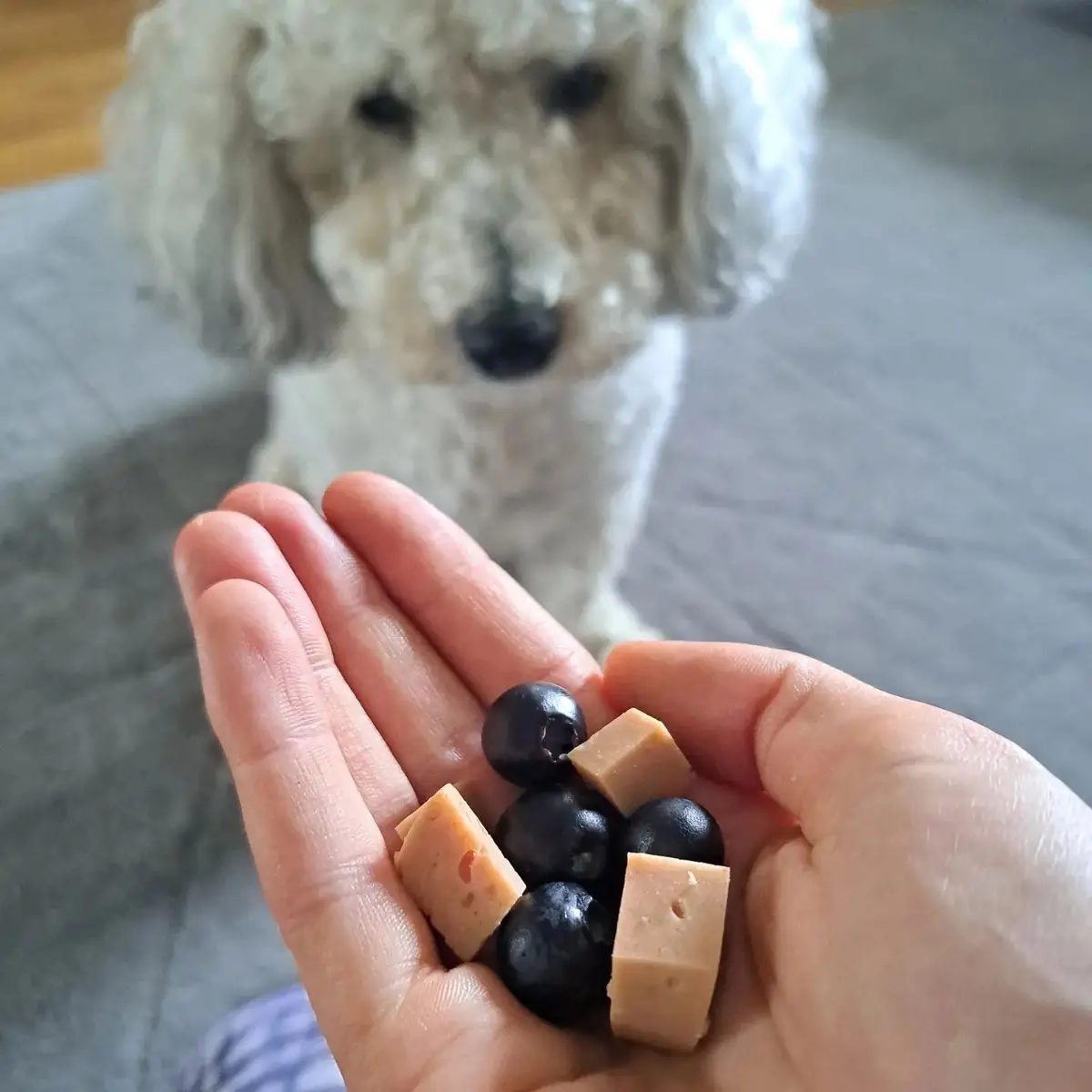
1. Leave: Have a treat in your hand. Whenever your dog backs off from the treat in your hand, give them a BETTER treat from your pocket.
2. Not interacting with every dog/person they see: Get your dog used to looking at a person/dog, looking at you and getting a reward. You can practise with easier things first if your dog is struggling e.g. your dog looks at a person in the distance, looks at you and gets a reward.
3. Command before fetch: Rather than throwing a toy immediately for your dog to fetch, ask them to do something for you first (e.g. sit, paw, hand touch, middle).
4. Calm Approaches: Put your dog on their harness and lead. Place a toy on the floor. Walk slowly and calmly towards the toy. If your dog pulls/barks/whines, stop and wait for them to engage with you. You only move closer if your dog is calm and engaged with you. Once you are a step or two away from the toy, let your dog play with the toy (add a release cue e.g. ‘yes’ or ‘say hello’). The key to this game is to think ‘how does my dog get the toy? They have to walk calmly and engage with me.’ Once your dog has the hang of this, you can then apply it to calm greetings with people/other dogs.
5. Pattern Games can be useful to teach your dog predictable outcomes to their behaviours.
Being Realistic and Setting Your Dog Up For Success
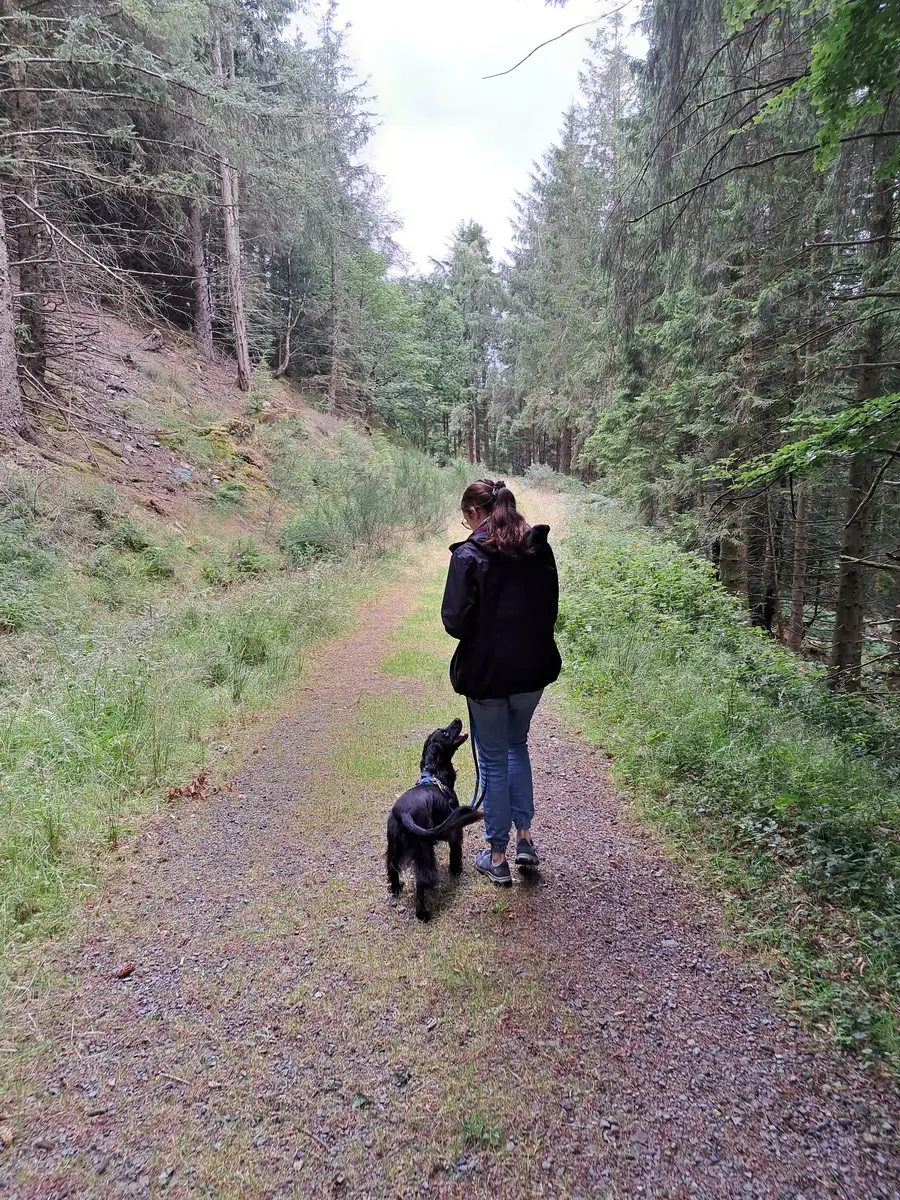
It’s important to consider your own individual dog when thinking about frustration. If your dog is in the teenage phase (6-18 months), their frustration tolerance will be much lower than an adult dog. If your dog is older and has not learned the skills to regulate their emotions, they will also find it harder to manage frustration.
Make sure you are meeting all your dogs needs. If their needs aren’t being met fully, they are more likely to be frustrated. I’m definitely more easily frustrated when I’m hungry!
Always bear in mind that pain or health conditions can also affect frustration tolerance so if in doubt, contact your vet.
Need help with your dog’s frustration?
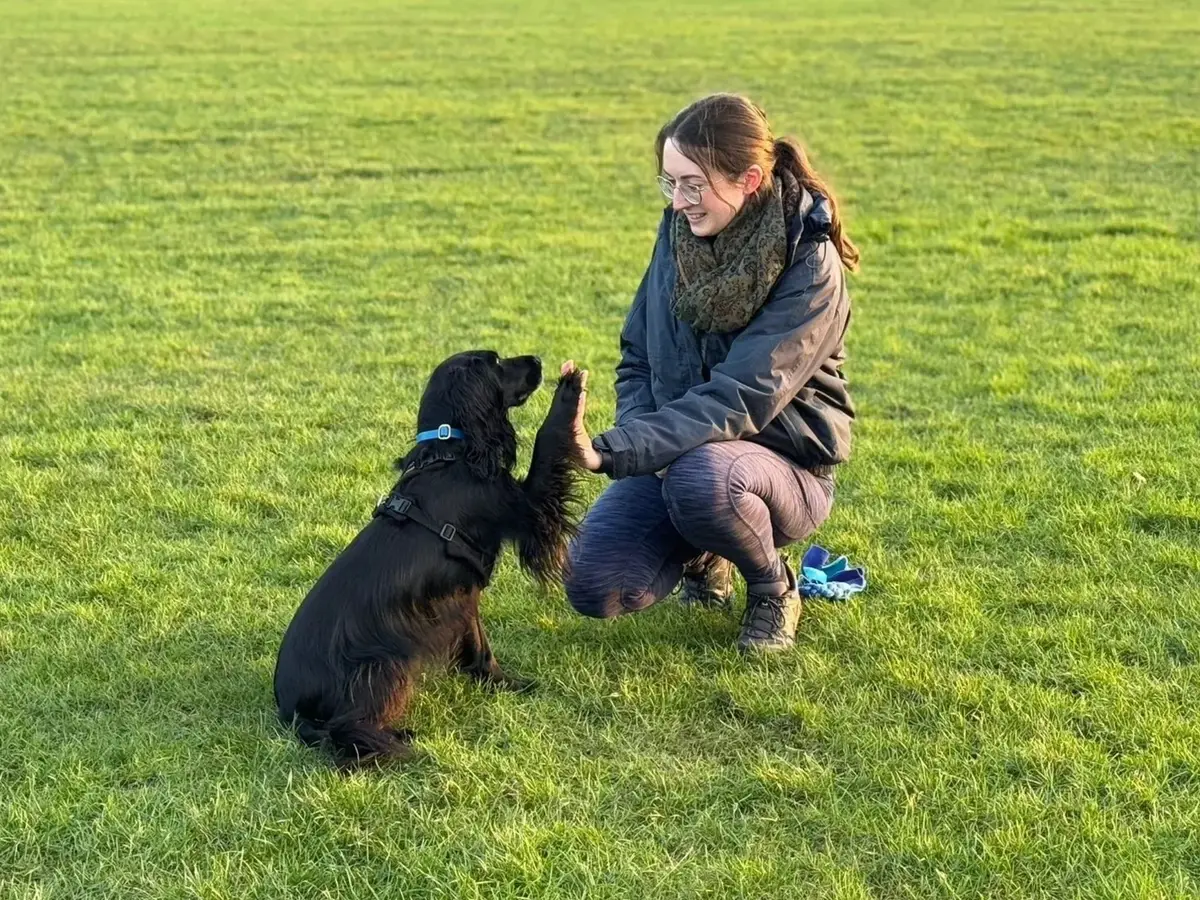
I specialise in 1-2-1 training in adolescent dogs and cover Edinburgh and surrounding areas.
References
Danielle Beck, Frustration and Self Regulation. RECORDING Frustration & Self Regulation - helping your dog to Control their Meerkat! » Control The Meerkat
Jakovcevic, A., Elgier, A.M., Mustaca, A.E. and Bentosela, M., 2013. Frustration behaviors in domestic dogs. Journal of applied animal welfare science, 16(1), pp.19-34.
Leslie McDevitt, Control Unleashed Reactive to Relaxed. Pattern Games