How to Tell if Dogs are Playing
When dogs play with each other, it can sometimes be difficult to tell if both dogs are enjoying it- play can sound scary at times!
This blog post will help you identify when your dog is enjoying play and when it is time to step in…
Signs of Happy Dog Play
1. Loose, Bouncy Body Language
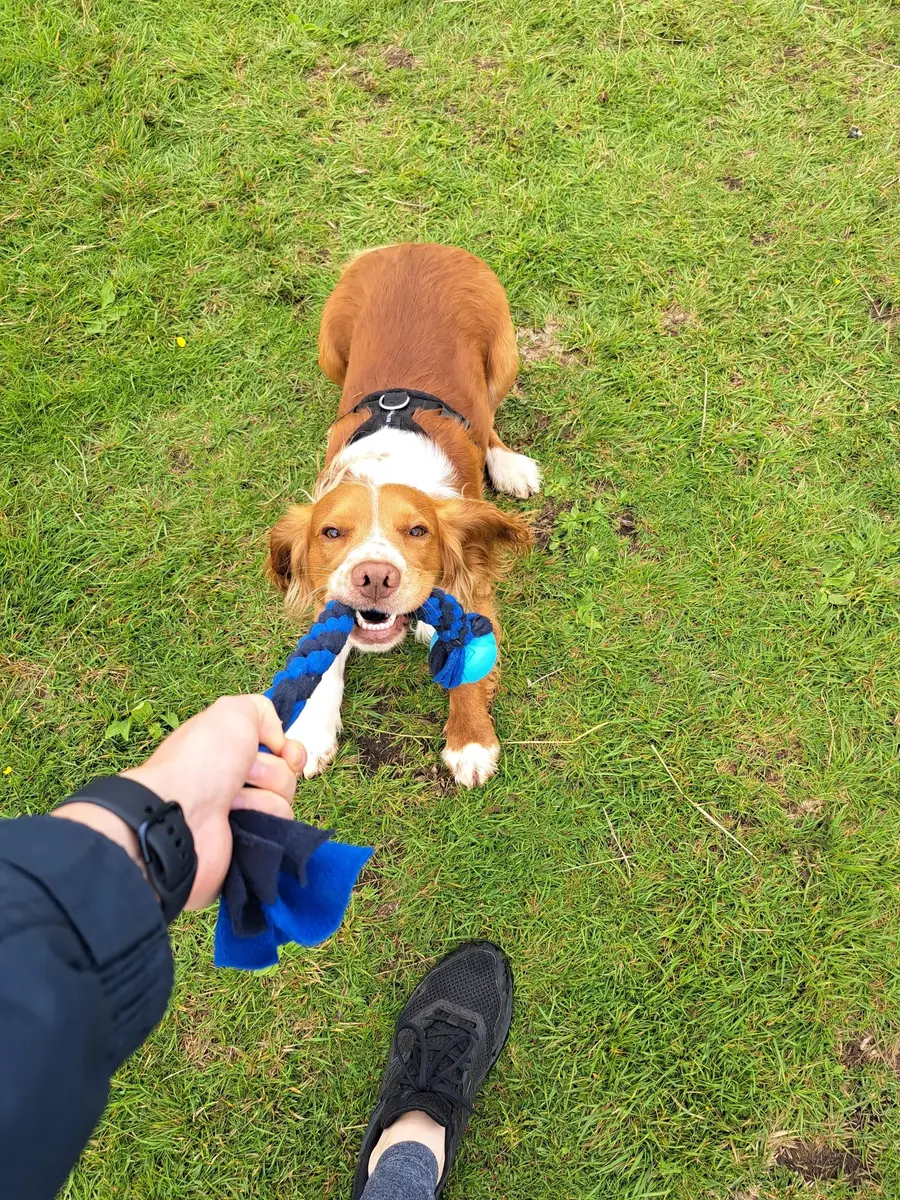
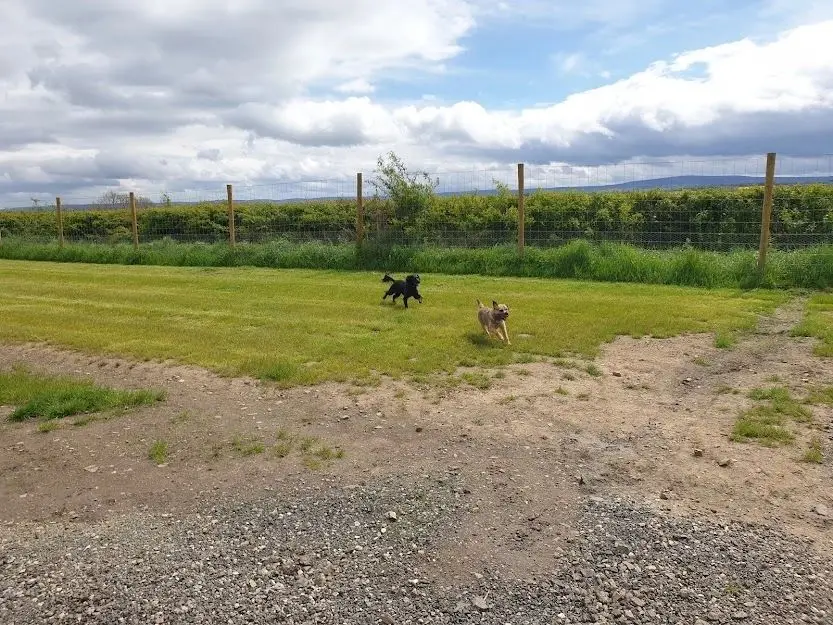
Most dogs display loose, bouncy body language while playing. For example, play bows and bouncing around.
Stiff, tense body language is usually a warning sign. Look out for intense staring, ears tense and a stiff upward tail.
2. Self-Handicapping
Dogs should change their play style depending on the dog they are playing with. For example, a big Golden Retriever playing with a Chihuahua should be gentler than when they are playing with another big dog.
3. Regular Pauses
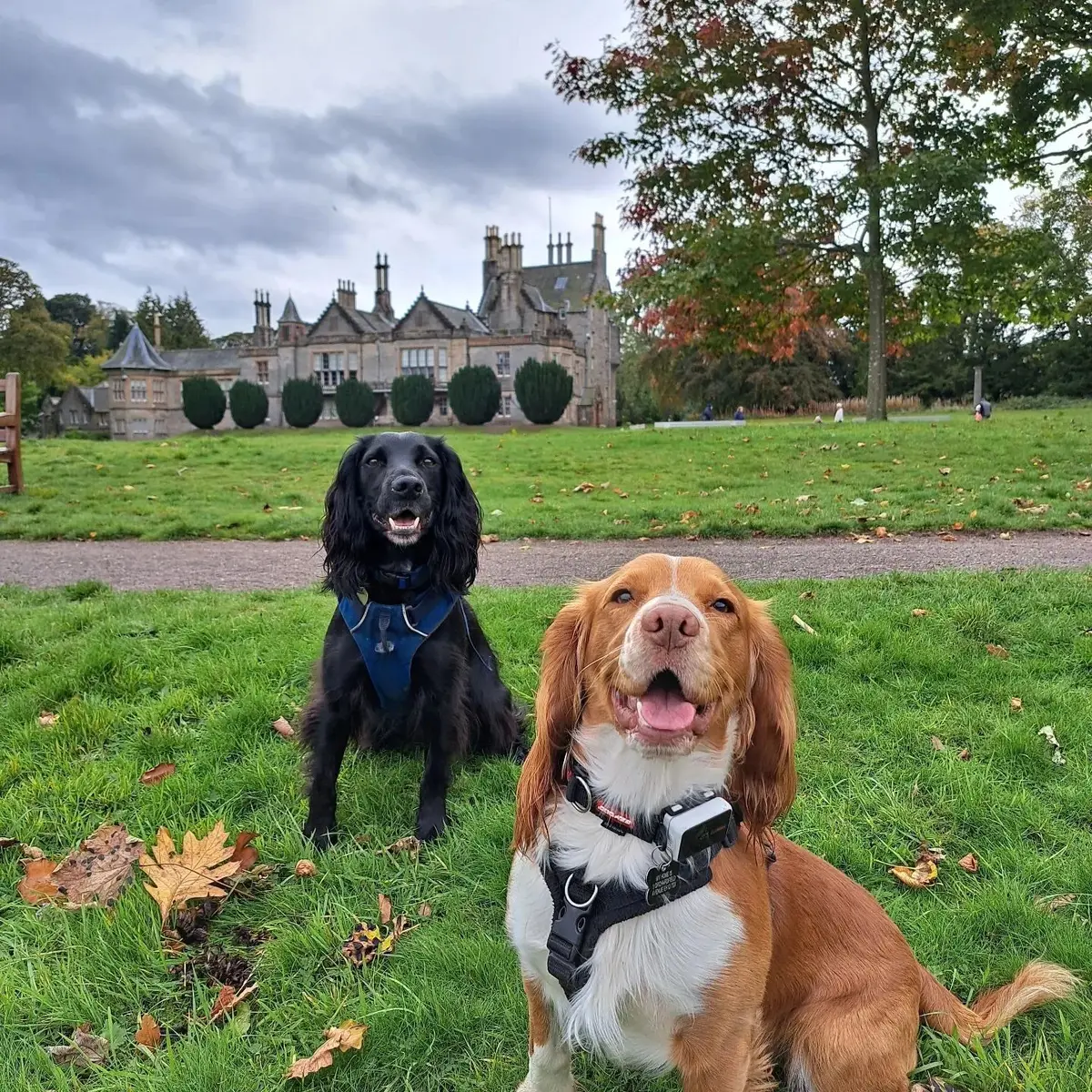
Dogs should take regular pauses on their own throughout play. These can just be 2 seconds of stopping before both continue with the play.
4. Reading Each Other’s Signals
Good dog play involves both dogs reading and listening to each other’s signals. For example, if a dog backs away for a break, the other dog should respect this and give them space until they indicate they want the pay to continue.
Top Tips to Encourage Happy Dog Play
1. Encourage Regular Pauses
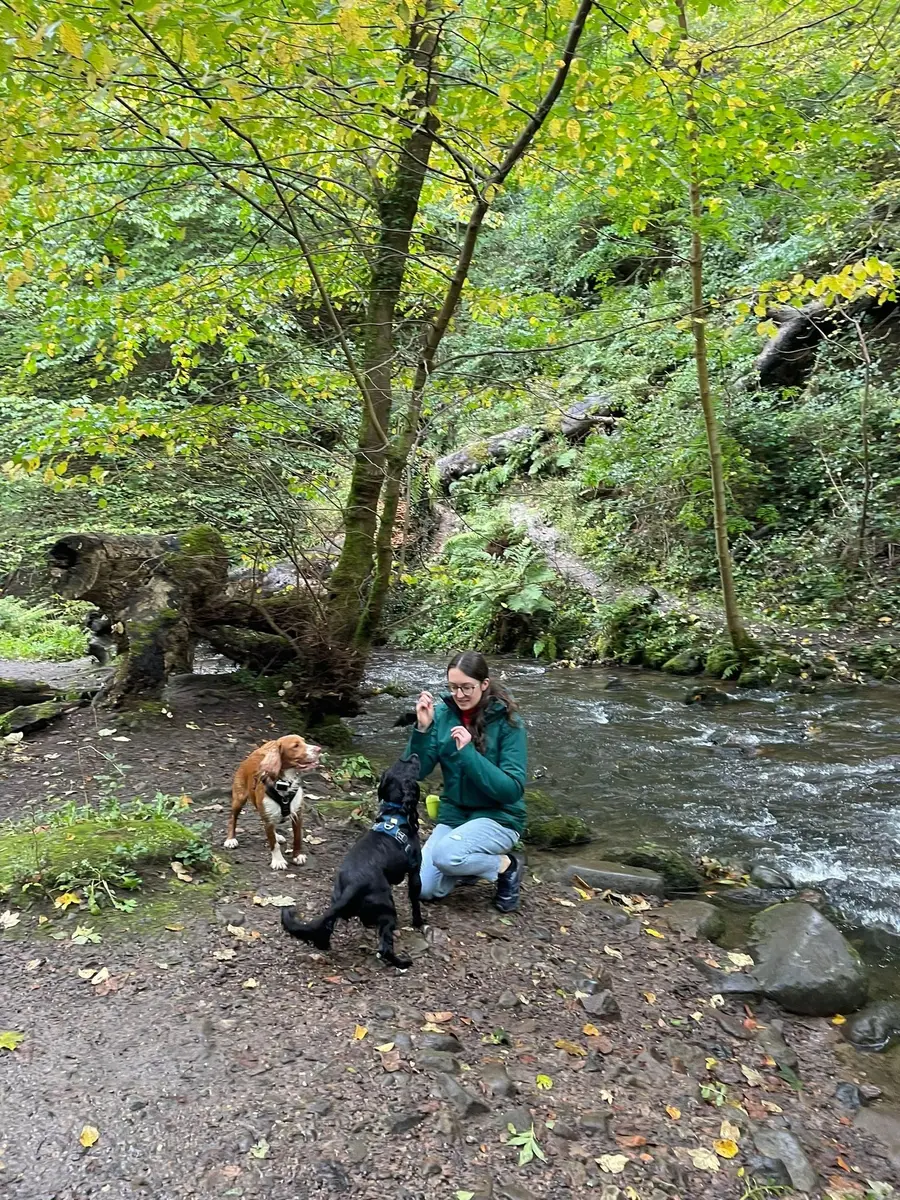
Throughout the play, call your dog to you, give them a treat and then let them return to the play. This will help give them short breaks to calm down during play. It will also help with recall as coming to you doesn’t always mean the end of the fun- they just get a tasty treat then get to go back for more play!
2. Add Toys
If one dog is being very mouthy and the other dog isn’t comfortable with this, add a toy to the play. This will give the mouthy dog something else to mouth on.
3. Teach Dogs to be Calm Around Each Other Too
Being around other dogs shouldn’t always be exciting. Encourage dogs to do calm activities together too.
For example, give them each a lickimat or let them sniff for treats/toys together.
Keep an eye on both dogs’ body language while they are playing. If you aren’t sure if they are enjoying the play, call your dog back to you then see if both dogs want to return for more play. If both dogs want to go back, they were obviously having a great time! If one/both dogs doesn’t want to go back, it’s time to end the interaction.
References
American Kennel Club: https://www.akc.org/expert-advice/training/are-they-playing-or-fighting/
Battersea: https://www.battersea.org.uk/pet-advice/dog-advice/understanding-your-dog%E2%80%99s-body-language
Bradshaw, J.W., Pullen, A.J. and Rooney, N.J. 2015. ‘Why do adult dogs ‘play’?’ Behavioural Processes 110: 82-87.