How to Teach Your Dog to Walk Nicely on the Lead
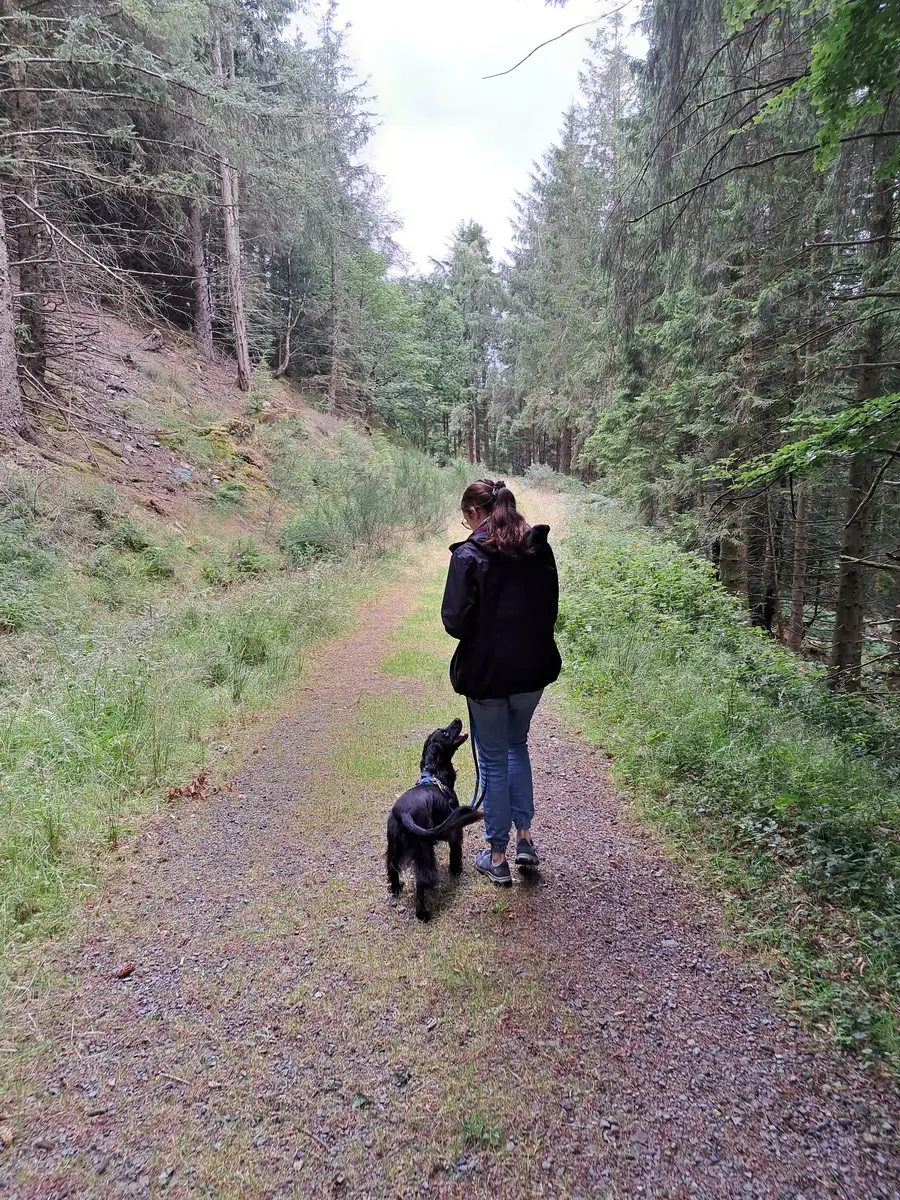
We all picture going for nice relaxing walks with our dog in the local park, strolling through Cammo, Cramond Beach or up Arthur’s Seat. However, if your dog is constantly pulling on their lead, it’s not a fun walk for anyone!
Why is Your Dog Pulling?
The first step to stopping your dog pulling on the lead, is to first understand why they are pulling in the first place.
- Are they too excited?
- Are they nervous?
- What are their biggest distractions? Other dogs? People? Birds and squirrels?
Edinburgh is full of wildlife, but this can be a big distraction for our dogs!
Equipment
The next step is to consider the equipment you’re using.
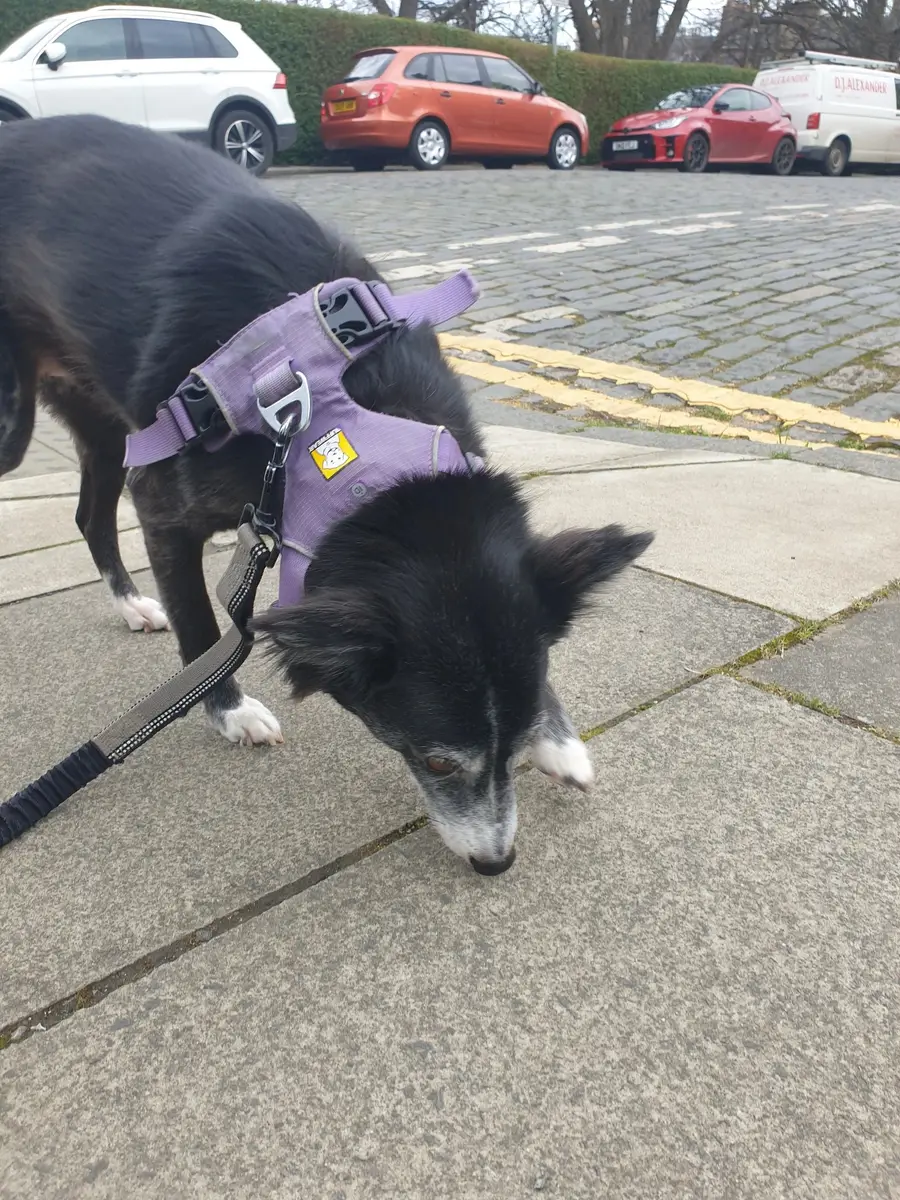
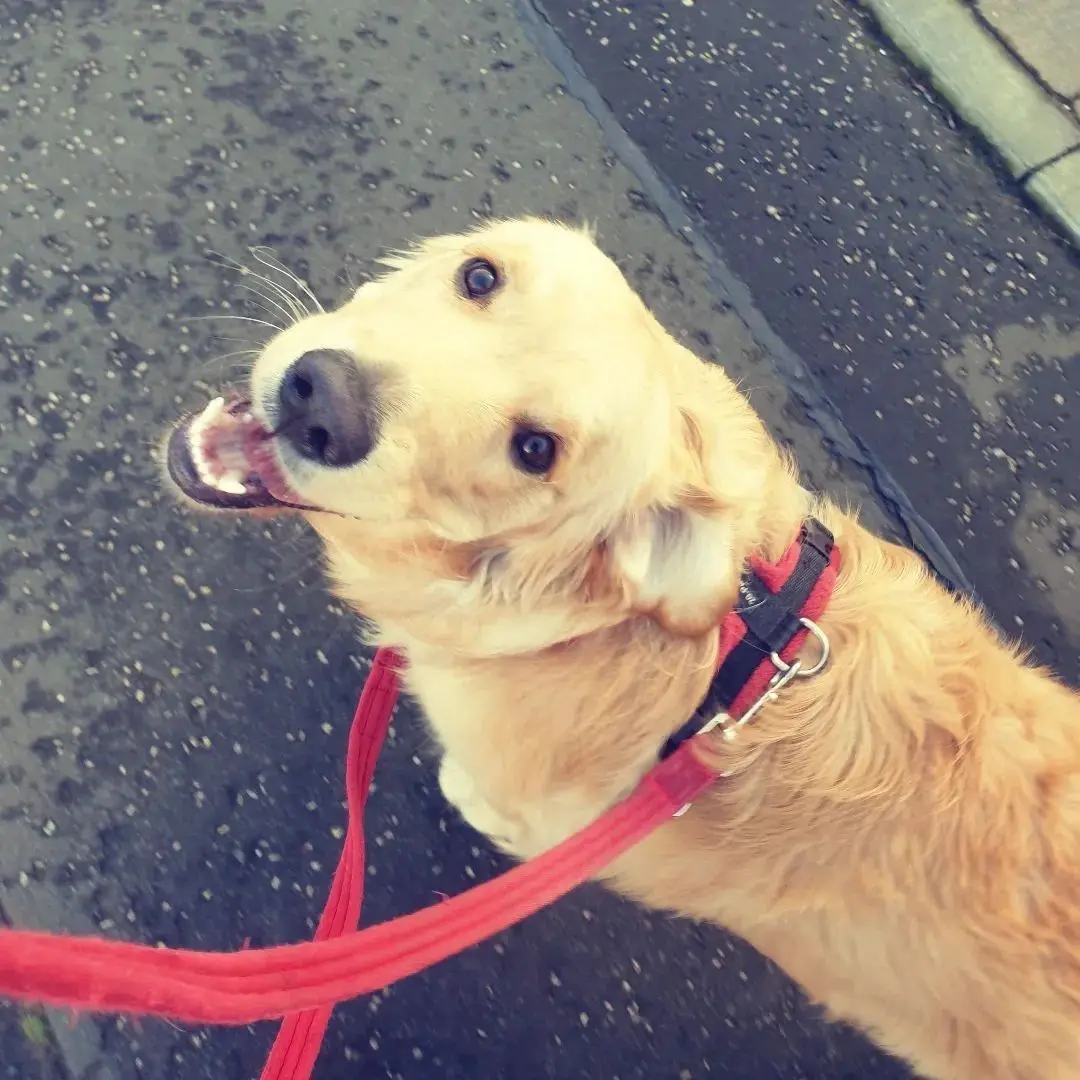
Every dog (and owner!) is different, but I generally recommend using a Y-shaped harness with two attachment points (on the back and one on the chest). Harnesses are usually comfier for our dogs and healthier for their neck and joints.
I recommend using a double ended lead, with each end attached to each of your dog’s harness’s attachment points. This helps distribute your dog’s weight more evenly and can give you a bit more control.
Time to Train
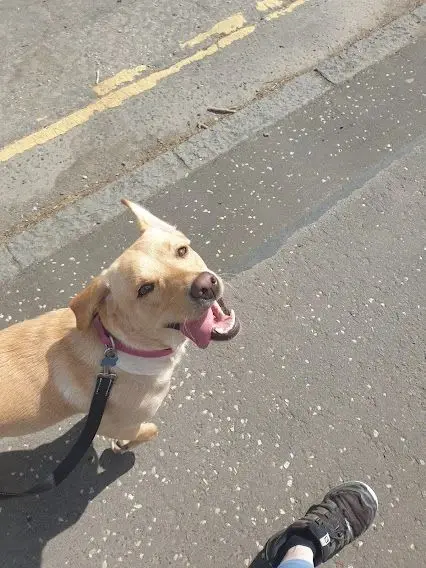
Now you’ve considered your dog’s emotions and equipment, you can start teaching them how to walk nicely.
Have some AMAZING treats ready in your hand. Remember we are trying to compete with loads of exciting things on our walks, so we need to make sure we have some food which can compete with this.
Hold your treats in the hand closest to your dog, with the lead on your opposite hand. Take a few steps and reward your dog for being beside you. Over time, you will be able to take more and more steps between treats.
You can make it harder or easier for your dog by changing the position of your treat hand. Putting the treat hand closer to your dog’s nose will make it easier for them, while moving it further away and in towards your chest will make it trickier.
Expectations
Walking nicely on the lead is one of the hardest things for our dogs to learn, so be patient and don’t be afraid to make it easier for them if they are struggling.
Think about the location of your walks, duration, time of day and level of distractions in the environment.
Don’t try to do your whole walk with them walking nicely on the lead- both you and your dog will end up very frustrated! Instead, think of doing ‘pockets’ of loose lead walking. Over time these pockets will get bigger and bigger until your dog can do the whole walk without pulling.