Helping Your Dog with House Guests
This has become a really common problem for dogs, especially as government restrictions around covid have been easing and we are allowed to have more people over to our homes. A lot of dogs just aren’t used to this anymore and find it stressful having people in their home.
Here are some top tips for helping your dog feel more comfortable when having guests over to visit.
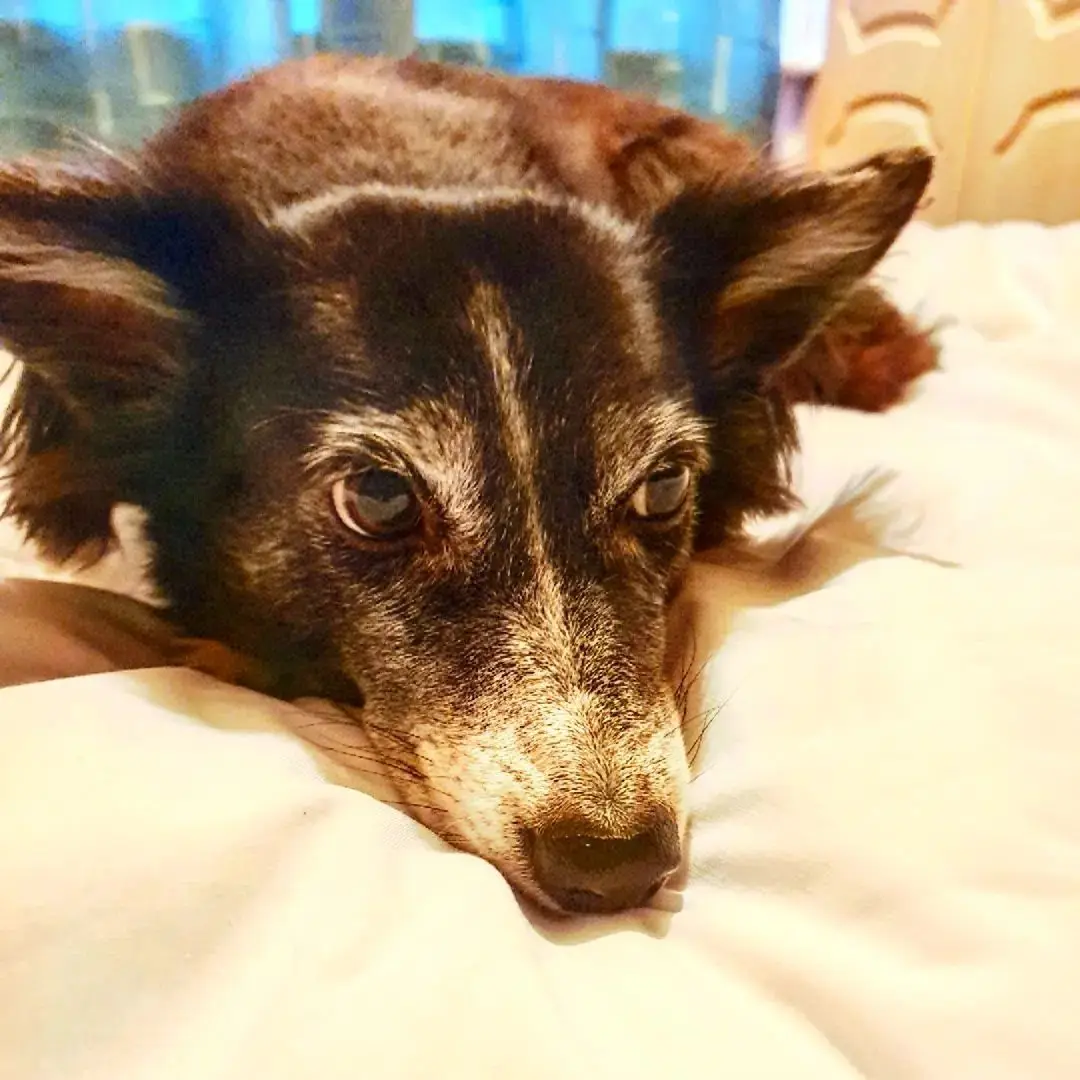
1. Give Your Dog a Safe Space
Make a safe space for your dog to go to if they are feeling stressed or want some time alone (Gutteridge, 2019). This can be a crate covered with a blanket, an area under a table or a separate room where your dog already enjoys relaxing.
If your dog chooses to go to their safe space, leave them alone. Respect their need for quiet time alone.
2. Let Visitors Know What You Want From Them
Be really clear with visitors about what they can do to help your dog feel more comfortable. For example, some dogs dislike sudden movements or loud noises. Tell visitors not to approach your dog, but allow your dog to approach them if they want to (Gutteridge, 2019). It is really important that you speak out for your dog and tell your guests what your dog wants. You are not being rude, you are looking after your dog! Keep an eye on your dog’s body language and if they show any signs of discomfort, step in to help your dog reduce their stress levels (ibid, 2019).
I recommend writing down your dog’s rules for guests and putting it on a wall where you can show visitors as they arrive. This way, if they break a rule you can politely remind them of what your dog needs.
3. Give Your Dog Control
It’s important your dog has control and choices, especially when you have visitors over to your home. Give your dog options and respect their choices (Haug, 2008). For example, if your dog chooses to go to a different room, let them and don’t disturb them. Or if your dog walks away from a guest, tell your guest to let them walk away.
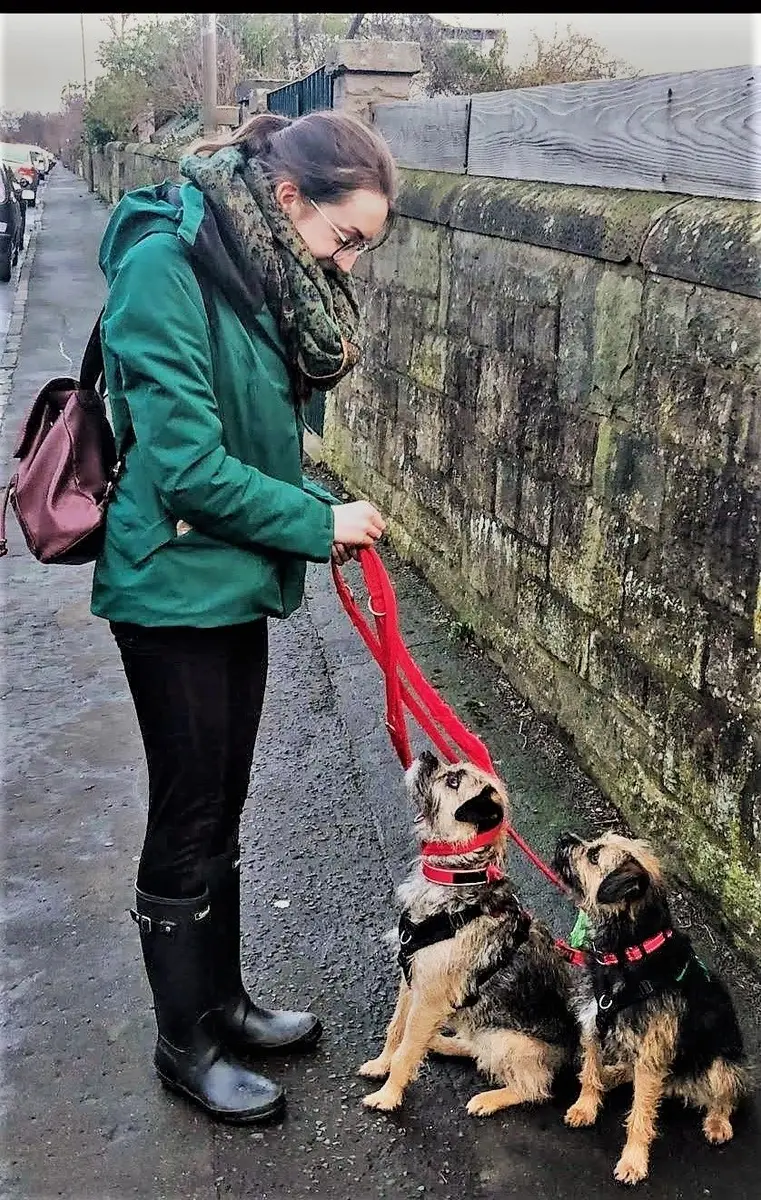
4. Meet Visitors Outside Your Home First
Some dogs feel more comfortable meeting guests outside, then coming into your home together. This reduces the pressure on your dog from being in a confined space with your guests. It also helps your dog feel more in control.
5. Doorbell Training
This is the first thing dogs hear when a guest arrives, so to reduce stress and make your dog feel more comfortable, train them to see the doorbell or a knock at the door as a positive thing.
Start by recording the sound on your phone and playing it at a low volume. Reward your dog for being calm. Over days and weeks, very gradually start to increase the volume. Over time your dog will start to associate the sound of the door with rewards, rather than something stressful (Jones, 2003; Brucks et al., 2017).

6. Offer Calming Activities
Offer your dog plenty of calming activities whenever you have visitors over. This can be lickmats, kongs, snuffle mats, special chews or hiding treats for your dog to find around the house.
Licking, sniffing and chewing are naturally calming behaviours for dogs, so try to offer activities which encourage these behaviours (Duranton and Horowitz, 2019).
These are just some tips to help your dog feel more comfortable around guests. If your dog is showing aggressive behaviour, consult a qualified dog trainer or behaviourist as they will need a more structured plan.
References
Brucks, D., Soliani, M., Range, F. and Marshall-Pescini, S., 2017. Reward type and behavioural patterns predict dogs’ success in a delay of gratification paradigm. Scientific reports, 7(1), pp.1-10.
Duranton, C. and Horowitz, A. 2019. ‘Let me sniff! Nosework induces positive judgement bias in pet dogs’. Applied Animal Behaviour Science 211: 61-66.
Gutteridge, S. 2019. Canine Communication: The Language of a Species.
Haug, L.I. 2008. ‘Canine aggression towards unfamiliar people and dogs’. Veterinary Clinics of North America: Small Animal Practice 38(5): 1023-1041.
Jones, A. 2003. ‘Learning Theory Made Simple’ Veterinary Technician 24(3): 146-152.