6 Top Tips for Encouraging Positive Dog Play
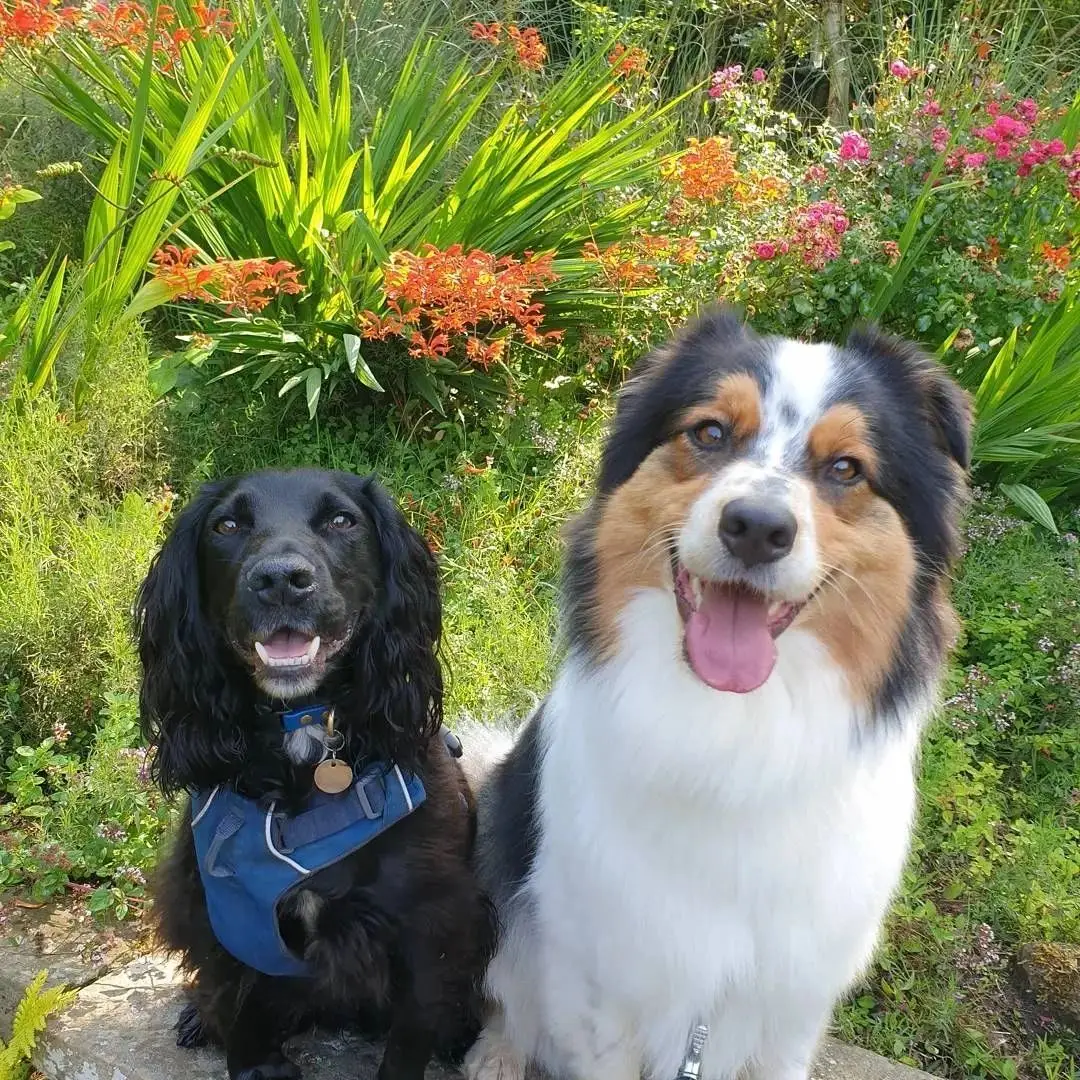
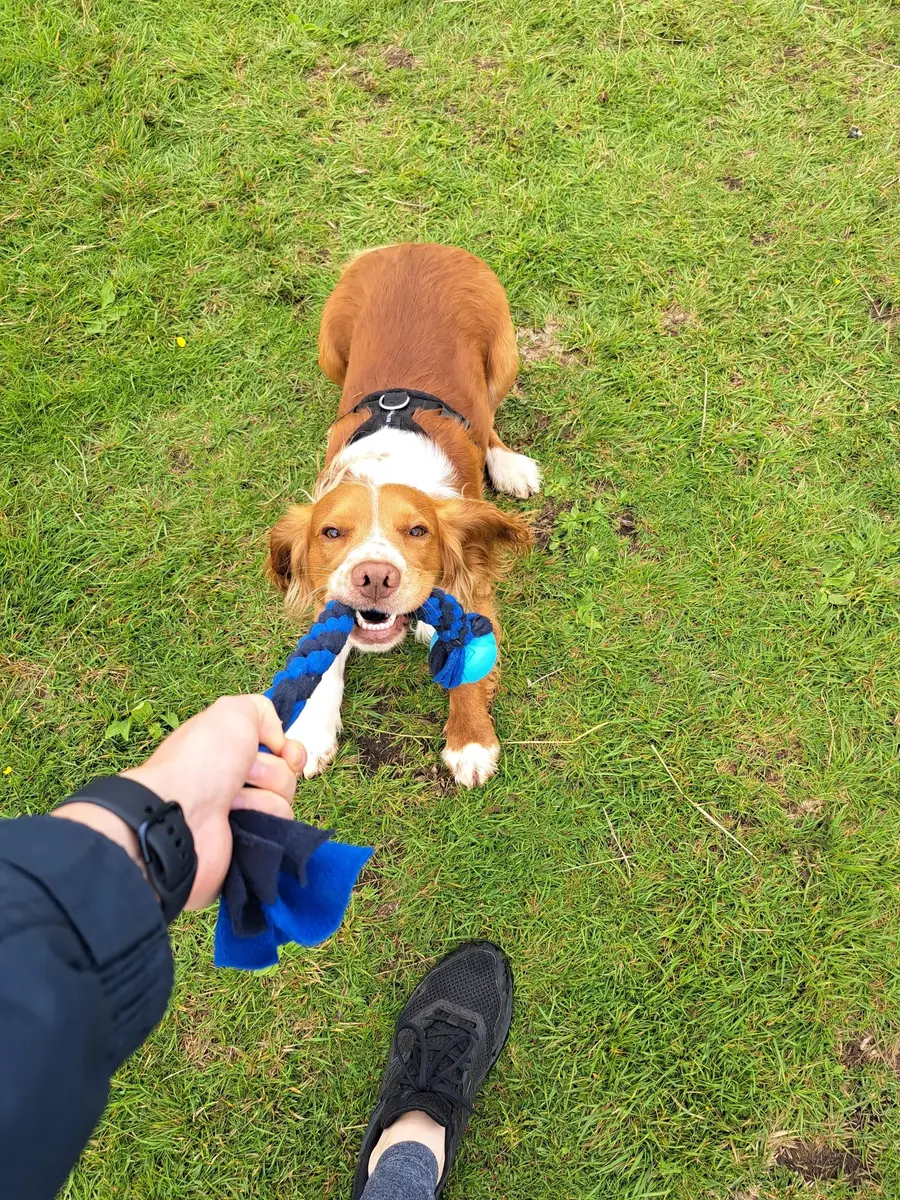
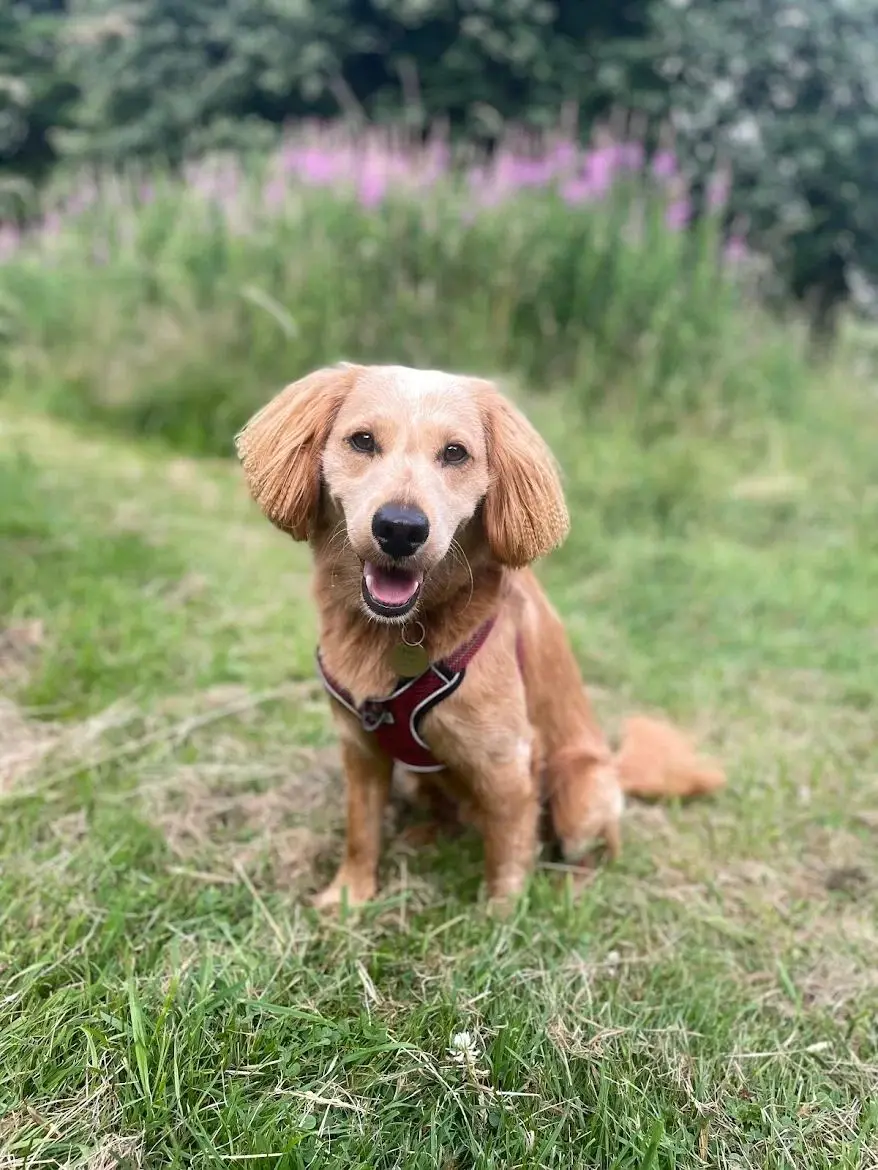
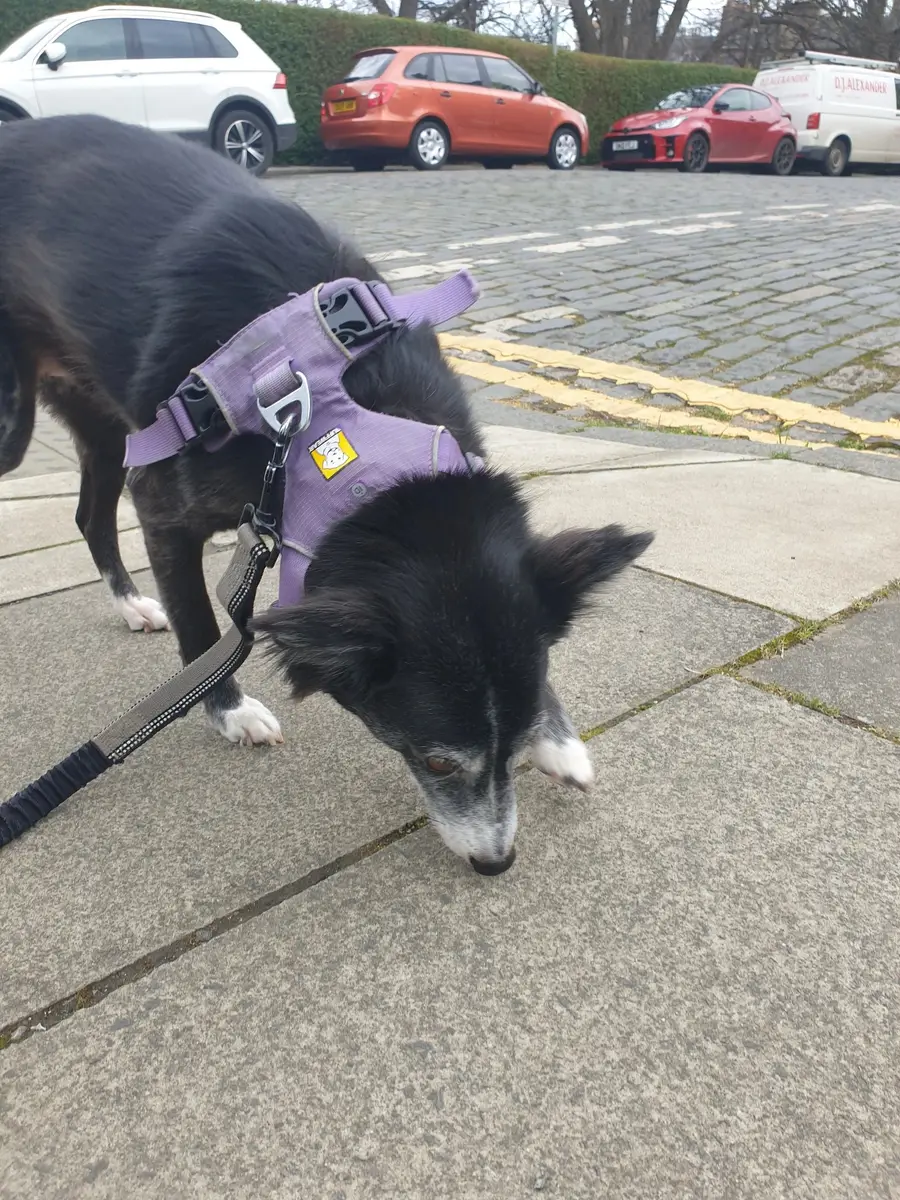
Dog play varies between every individual dog. Each dog has their own play style and preferred type of play. This can make it difficult for us to identify when our dogs are having fun, and when they are finding play a bit much.
Here are my top tips for encouraging positive, enjoyable play for all dogs involved.
1. Ask the Other Pawrents
Not every dog wants to play so always check with the other dog’s pawrents if their dog would like to play with yours.
No matter how friendly your dog is, you never know how other people’s dogs will behave.
2. Regular Check-Ins
Call your dog back to you frequently throughout the play. This will help prevent play from escalating and give dogs a chance to calm down.
By letting the dogs back for more play if they would like to, you are also strengthening their recall because they learn coming back to you doesn’t mean the end of the fun.
3. Keep and eye on Body Language
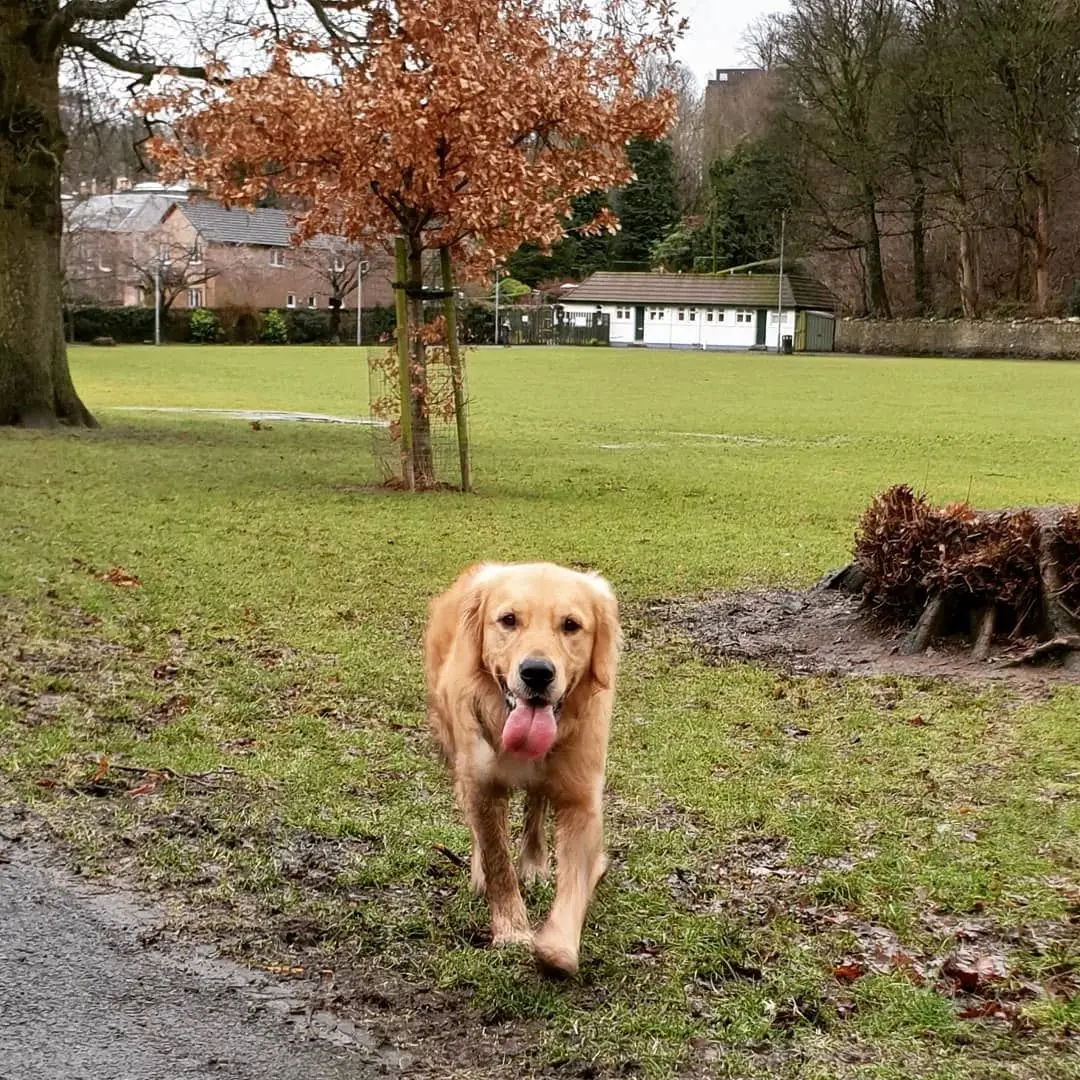
Watch both your own dog’s and the other dog’s body language.
Loose, bouncy body language usually indicates play.
4. Watch for Self-Handicapping
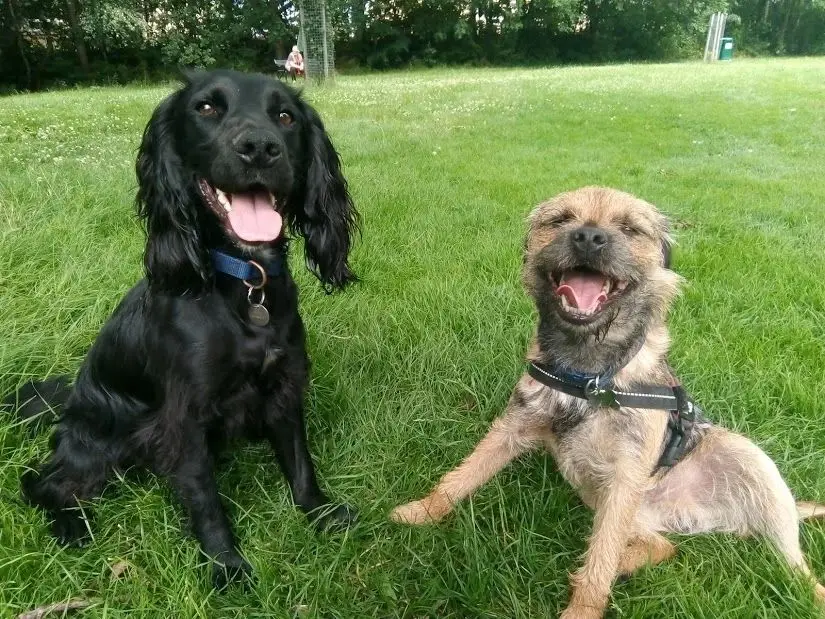
This is a sign of lovely play! It’s when a dog purposefully lowers their skill level to match that of their playmates. For example, a speedy greyhound might slow down their speed when playing with a terrier. Or a strong Labrador might play more gently with a small puppy.
5. Role Reversal
This is when dogs take turns in the game they are playing. For example, when playing chase, each dog takes a turn at being the chaser. Or when wrestling, each dog has a turn at pinning the other one down.
This is a sign of beautiful play.
6. If in doubt…
If you are not sure if both dogs are enjoying the play, let them both have a break. Each dog goes back to their respective pawrents and sniffs some treats scattered on the ground. Then, you can see if both dogs want to return for more play. If they do, they were having fun and the play can continue. If one (or both) dog doesn’t want to go back for more play, it’s time to go your separate ways for now.
Play should be fun for all dogs involved. It is our job to supervise the play and prevent it from becoming too much for either dog.
Do you need help with your dog’s play?
Get in touch:
www.rosypawsedinburgh.co.uk/contact
References
American Kennel Club: https://www.akc.org/expert-advice/training/are-they-playing-or-fighting/
Gutteridge, S. 2019. Canine Communication: The Language of a Species.
Horowitz, A., 2009. Attention to attention in domestic dog (Canis familiaris) dyadic play. Animal Cognition, 12, pp.107-118.
Victoria Stilwell: https://positively.com/dog-training/understanding-dogs/understanding-dog-play/